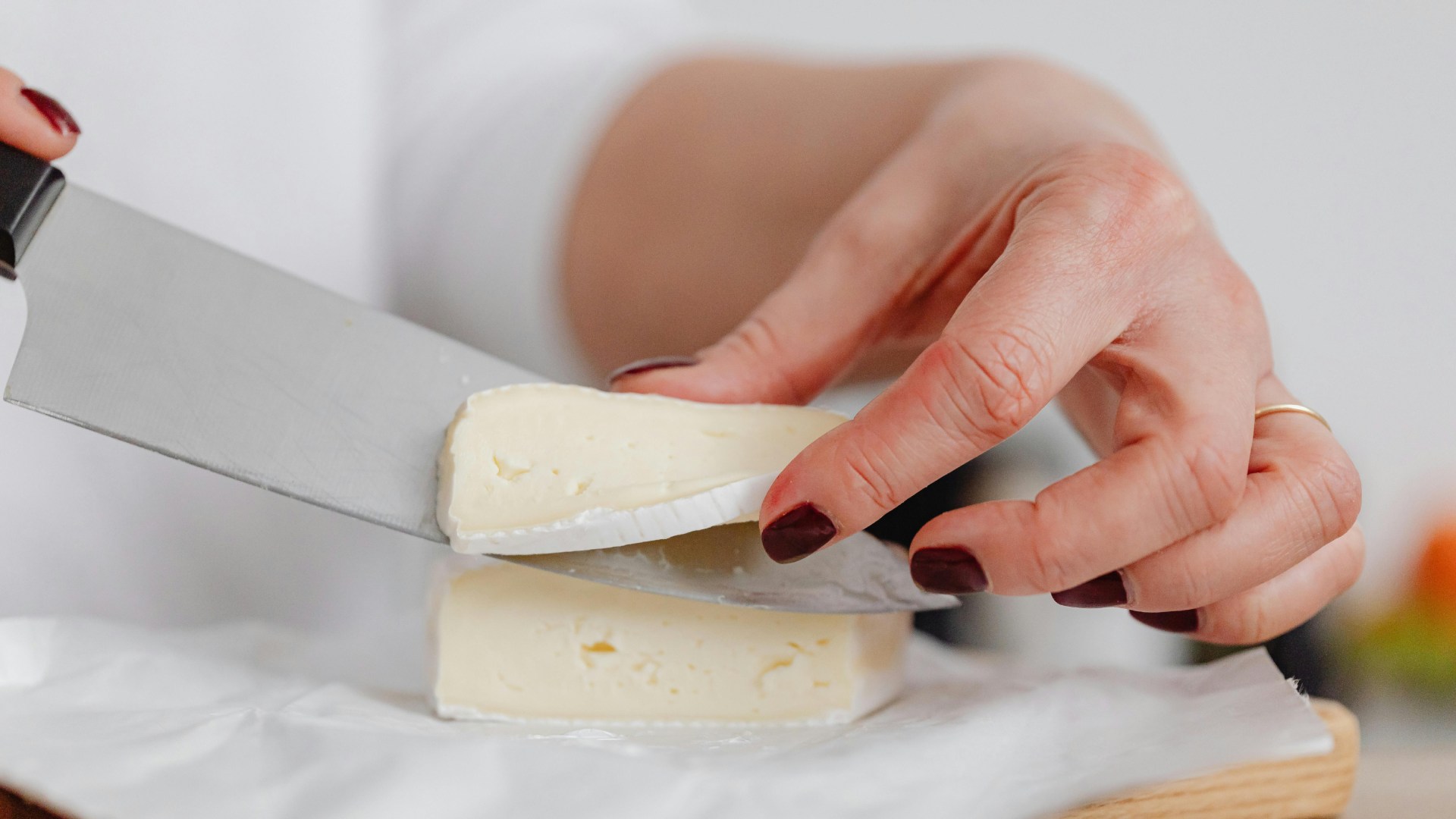
What if your cheese board held a little boost for your brain? A recent study examined Camembert and its potential effects on memory. Intriguing results, but to be taken with a grain of salt.
A cheese at the heart of research
Fermented foods are increasingly attracting the attention of scientists for their potential health effects, including on cognitive function. In this context, Camembert cheese was recently the subject of a study exploring its influence on memory.
Researchers have been studying certain compounds produced during cheese fermentation, particularly molecules called fatty acid amides. Among them, myristamide may be associated with improved cognitive performance… at least in mice. These results were observed in an animal model fed a high-fat diet, allowing researchers to explore certain mechanisms related to brain function.
The secret lies in fermentation.
What makes Camembert cheese interesting is its production method. Its texture and flavor come from a microscopic fungus, Penicillium camemberti, which plays a key role in fermentation. This process produces specific bioactive compounds, including the well-known fatty acid amides. These molecules may act on certain biological mechanisms involved in memory.
The study notably mentions an increase in BDNF (brain-derived neurotrophic factor), a protein essential for the proper functioning of neurons. It plays a role in their growth, survival, and ability to communicate with each other—fundamental elements for learning and memory. That said, the researchers remain cautious: these mechanisms still need to be confirmed, particularly in humans.
Tests performed… on mice
To measure the impact of Camembert on memory, scientists used behavioral tests on mice. One of the most common involves observing the animal's ability to recognize a previously seen object compared to a new one.
The results show that mice that consumed Camembert cheese or myristamide performed better than those on a high-fat diet alone. These observations suggest that certain compounds produced by fermentation could support brain function, for example by promoting communication between neurons.
Promising results, but with some caveats.
While these findings are interesting, they remain limited. The study was conducted solely on animals, meaning the observed effects cannot be directly extrapolated to humans. In nutrition, it's rare for a single food to make all the difference. Brain health depends on a combination of factors: overall diet, sleep, physical activity, stress management, and more. Therefore, Camembert cheese doesn't become a miracle "superfood" for memory. It simply fits into a broader line of research exploring fermented foods.
And if you don't eat cheese?
It's also essential to remember that you're under no obligation to consume cheese or, more broadly, dairy products derived from animals to take care of your health. Your body, with all its diversity and unique needs, can absolutely thrive on other dietary choices.
Today, there are many plant-based alternatives —made from nuts, soy, or almonds—that also offer valuable nutritional benefits. Some are fermented and may contain beneficial compounds. The key is to create a diet that suits you, respects your values, and makes you feel good.
In summary, this study opens up an interesting avenue of research: certain compounds in Camembert cheese could influence mechanisms related to memory. However, the research is still in its early stages. In the meantime, remembering one simple thing remains essential: a varied, balanced diet tailored to your individual needs is one of the best ways to support your overall health.