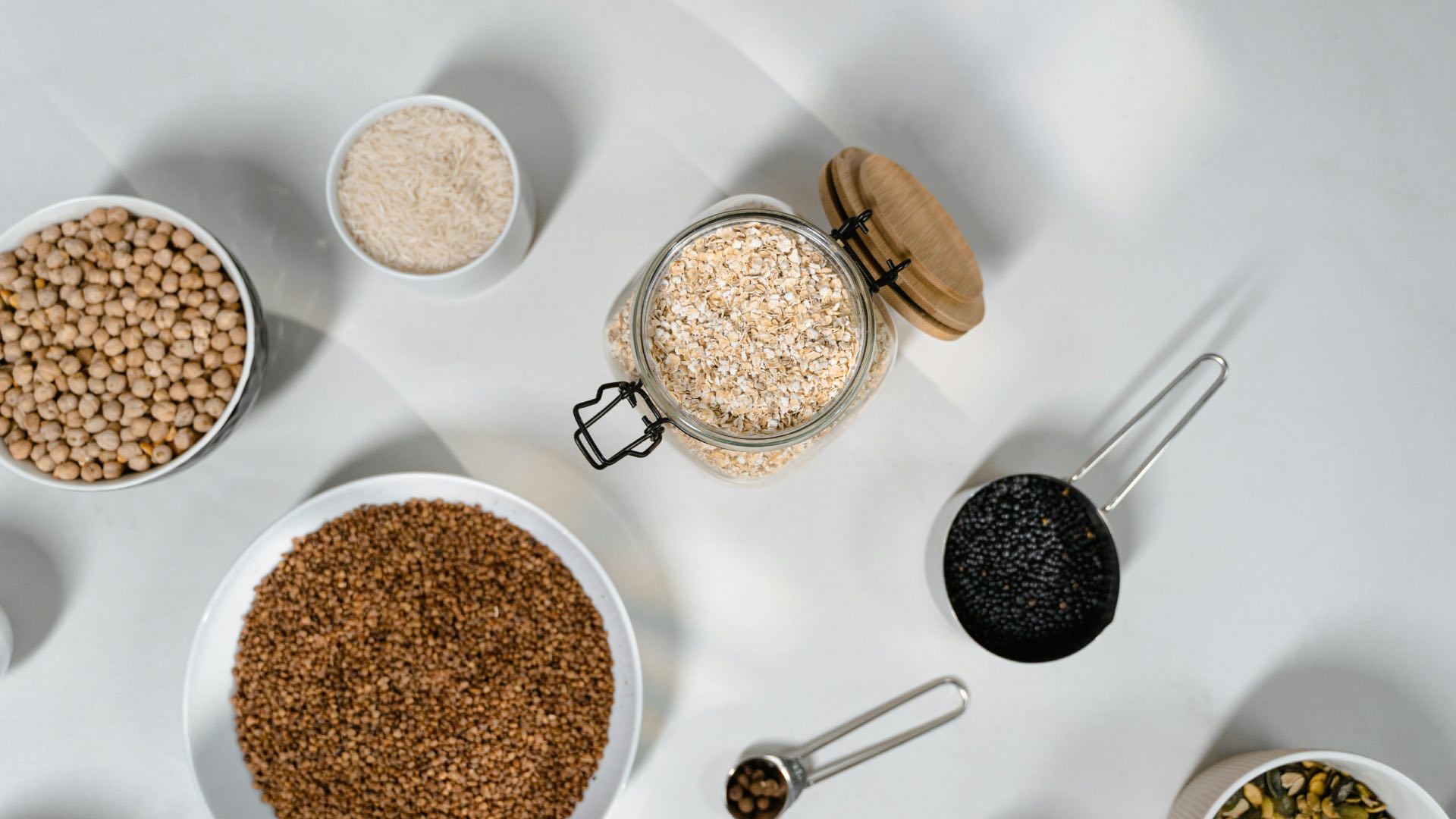
You hear everywhere that fiber is your best health ally, so why not consume even more of it? On social media, a trend called "fibremaxxing" promises a happy gut microbiome and peak energy. This quest for "more and more" also hides some pitfalls that experts prefer to downplay.
A trend born from good intentions
For some time now, dietary fiber has been all the rage. And for good reason: it's essential for smooth digestion, a balanced gut microbiota, and a healthy metabolism. However, a new trend is taking this good intention to extremes. Fibremaxxing involves far exceeding the recommended daily intake, which is around 25 to 30 grams of fiber, sometimes reaching 50 or even 60 grams. On paper, the idea seems appealing. In reality, it's more complex.
@join_zoe Have you heard about fibermaxxing? It's a nutrition trend we fully support—shifting the focus from restriction to abundance by adding more fiber-rich plants to every meal. And it's not just about adding more fiber, it's more plant variety, texture, and color, too. This pea & pesto orzo (full recipe in the comments 👇) is packed with over 10 different plants, from peas and spinach to walnuts and basil. We took it a step further by adding Daily30+, developed by ZOE scientists to support your digestion, energy, and daily nutrition.* Just one scoop adds 5g of fiber from over 30 plants, a satisfying crunch, and a boost of daily plant diversity to make fibermaxxing effortless. Head to the link in our bio to try Daily30+ 💛 and follow for more healthy recipes to support your gut health. *Daily30+ is naturally high in calcium and copper. Calcium contributes to the normal function of digestive enzymes. Copper contributes to normal energy-yielding metabolism and the normal function of the immune system.
A real fiber deficiency in the modern diet
This obsession with fiber stems from a very real observation: the majority of adults don't consume enough fiber-rich foods. Between processed foods, refined products, and meals eaten on the go, vegetables, fruits, legumes, and whole grains are often relegated to the back burner. Yet, these foods play a central role in the proper functioning of your body. They promote regular bowel movements, nourish beneficial gut bacteria, stabilize blood sugar levels, and help prevent certain diseases, including colorectal cancer. In other words, wanting to increase your fiber intake is an excellent goal.
When too much fiber becomes counterproductive
The problem arises when this increase becomes sudden and excessive. Your digestive system, accustomed to a low-fiber diet, cannot adapt overnight to a massive influx of plant matter. The result: bloating, abdominal cramps, gas, loose stools, or even diarrhea. This excess can cause excessive fermentation in the colon, leading to discomfort and digestive fatigue. In some people, particularly those with a sensitive gut or an imbalanced gut microbiota, these symptoms can be especially pronounced.
Not all fibers are created equal.
Another point often overlooked: not all fibers are the same.
- There are soluble fibers, found for example in oats, apples or legumes, which form a gel in the intestine and nourish beneficial bacteria.
- And there are insoluble fibers, contained in bran, raw vegetables or certain whole grains, which mechanically stimulate transit.
Both are important, but in balanced proportions. However, in a fiber-maxing approach, foods very high in insoluble fiber are often favored, sometimes at the expense of fibers that are gentler on the gut. This imbalance can exacerbate digestive discomfort, particularly in people sensitive to fermentable sugars.
Focus on progress rather than performance
Rather than focusing on nutritional performance, health professionals recommend prioritizing gradual progress. Adding fiber progressively, varying your sources, and listening to your body's reactions allows you to achieve lasting benefits without discomfort. The goal isn't to break a record, but to nourish your body regularly, with variety and care. A bowl of cooked vegetables, a serving of legumes, a piece of fresh fruit, and whole grains are often enough to meet your recommended intake while respecting your digestive balance.
The trap of "purifying" trends
Fibremaxxing ultimately falls into a well-known category: the "detox" or "purifying" trends that promise rapid transformation through extreme practices. However, your body doesn't need excess to function optimally. It needs consistency, gentleness, and respect.
In short, increasing your fiber intake is a healthy and positive step for your body, digestion, and vitality. However, trying to compensate for years of deficiency in just a few days can create more problems than benefits. The true key to digestive well-being lies in balance, variety, and listening to your body—values far more enduring than any viral trend.