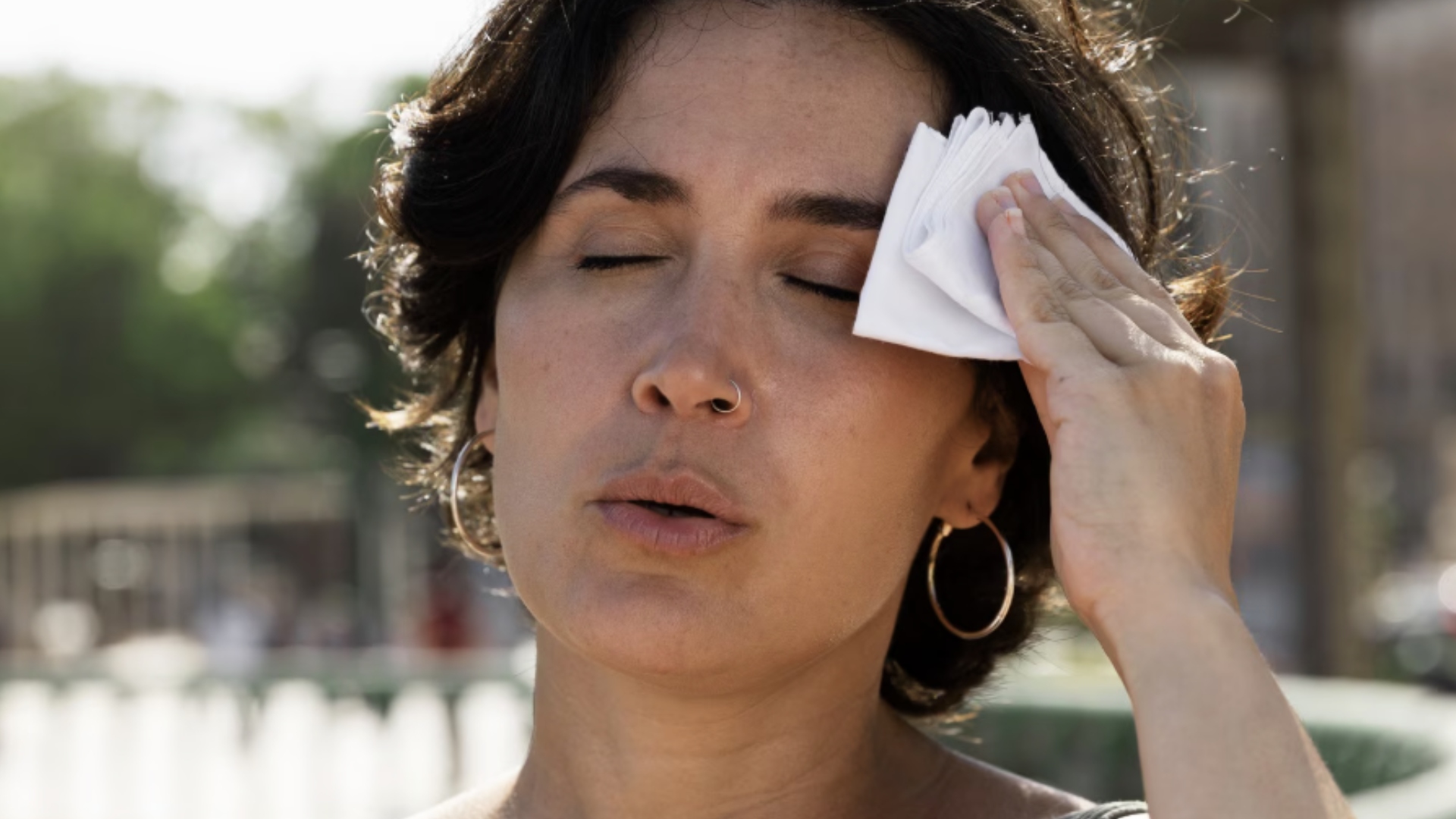
When the temperature soars, the first instinct is often to pull out the shortest clothes possible. However, staying comfortable in high temperatures is primarily about choosing the right fabric. Some fibers allow the skin to breathe and wick away moisture more effectively, while others quickly turn a summer day into a veritable oven.
Linen, the essential item for sunny days
If there's one star fabric of summer, it's linen. Naturally breathable, it promotes air circulation thanks to the structure of its fibers and absorbs moisture without giving that unpleasant feeling of damp fabric against the skin.
Another advantage: it dries quickly and retains a pleasant feeling of freshness, even under a blazing sun. As for its famous crinkled appearance, it is now considered a real fashion asset that adds character to summer outfits.
Cotton, yes… but not just any kind
Cotton remains a safe bet, provided you choose the right weave. Thick fabrics, like some jerseys, tend to trap heat and perspiration. Conversely, cotton voile, gauze, lightweight poplin, or seersucker allow for better air circulation. Seersucker, in particular, is distinguished by its crinkled texture, which reduces contact between the fabric and the skin, creating a feeling of lightness that is especially welcome when temperatures rise.
Hemp, the great comeback of a natural fiber
Still relatively uncommon in our wardrobes, hemp deserves your full attention. Resistant, breathable, and highly absorbent, it shares many qualities with linen. With each wash, this fiber even becomes softer, while maintaining excellent durability. An attractive choice for those seeking clothing that will last through the seasons.
Cellulose fibers, perfect for flowing garments
Viscose, lyocell, and certain fibers derived from plant cellulose are prized for their soft feel and beautiful drape. They absorb moisture well and offer considerable comfort for dresses, wide-legged trousers, or shirts intended for warmer days. They take a little longer to dry than linen, but remain a pleasant alternative for combining elegance and comfort.
Materials that are too warm
Conversely, some synthetic fibers are less suited to high temperatures. Polyester, nylon, and acrylic, for example, do not allow air to circulate well and retain more moisture. The result: an amplified feeling of heat and odors that develop more quickly. Clothing with a high elastane content can also accentuate this effect by fitting tightly to the body and limiting natural ventilation.
The cut makes all the difference
Even the finest fabric loses some of its qualities if the cut is too tight. Loose-fitting garments create space between the skin and the fabric, promoting air circulation. Lighter colors also reflect more sunlight than darker ones, while lightweight weaves enhance this feeling of freshness.
Choose natural, but also responsible, materials
At a time when extreme heat and wildfires are on the rise, in France as elsewhere in Europe, our consumption habits also need to change. Choosing clothing made from natural fibers or sourced from more responsible supply chains is a gesture that goes beyond comfort.
When possible, opt for certified linen, hemp, or cotton, produced under conditions that respect the environment and the people who grow them. Investing in quality pieces, designed to last several summers, is often more beneficial than constantly buying cheap synthetic clothing. More sustainable fashion is also a way to care for the planet, animals, and natural resources.
During periods of intense heat, your best ally for comfort isn't necessarily the quantity of fabric, but its composition. Before heading to the checkout, take a few seconds to read the label: it often reveals much more than the price about a garment's ability to keep you comfortable all summer long.