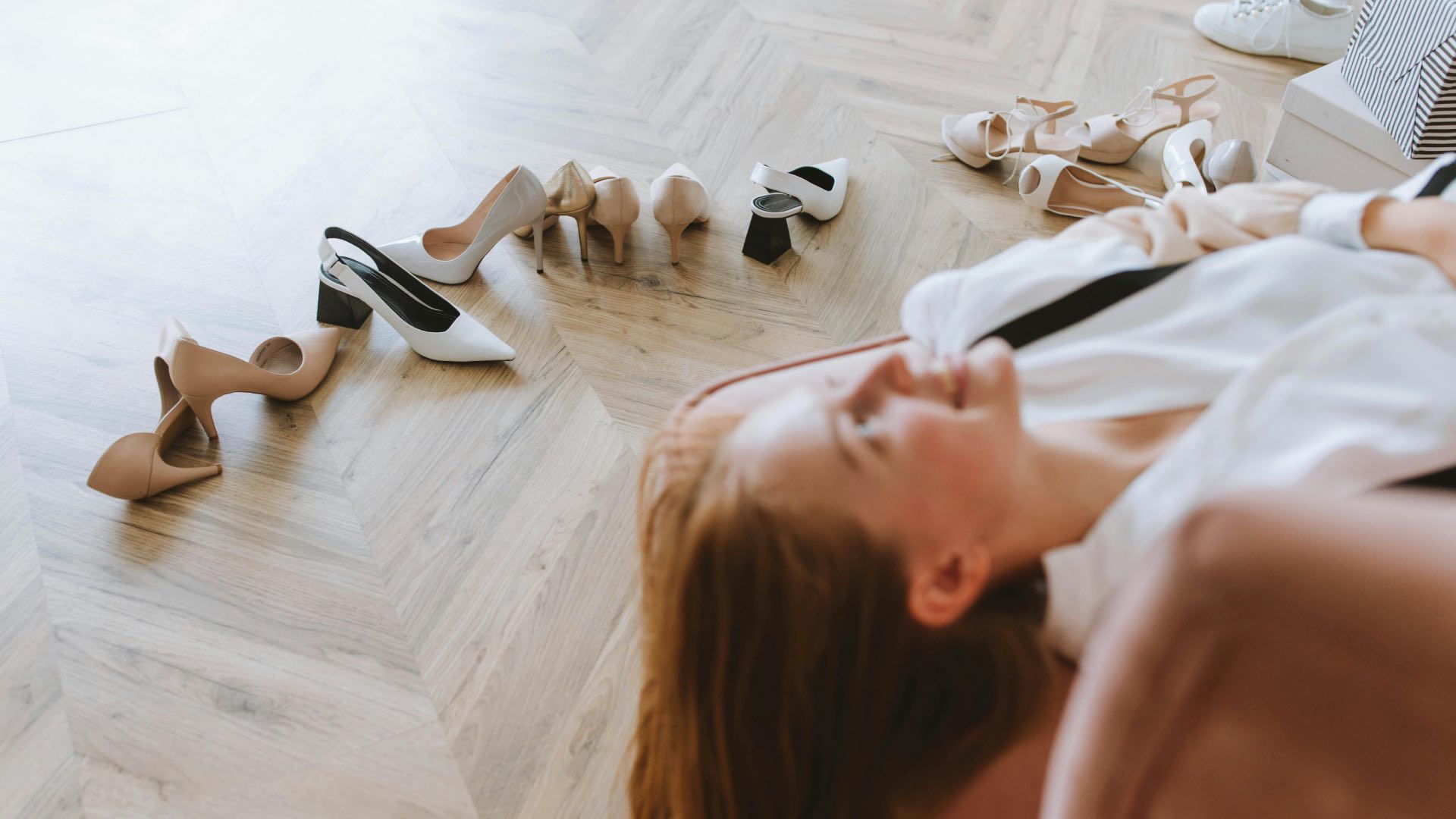
We choose them for their style or immediate comfort. However, some everyday shoes can, in the long term, weaken the feet and unbalance posture.
High heels: excessive pressure on the forefoot
A symbol of elegance, stiletto heels profoundly alter the distribution of body weight. The higher the heel, the more the load is concentrated on the forefoot, which can lead to metatarsal pain and worsen certain deformities such as hallux valgus.
Biomechanical analyses also show that prolonged wear of high heels influences overall posture: the knees, hips, and lower back compensate for the forward tilt. This repeated adaptation can contribute to muscle tension and chronic pain. Specialists recommend reserving these styles for special occasions and opting for more moderate heel heights with good heel support on a daily basis.
@pauthepodiatrist Three shoes that I wouldn't wear as a podiatrist. This is part 2, if you want to see part 1 its pinned to my profile. These platform crocs, vans and stilettos are not going to help your foot health so throw them today! #fypsg #lifestyle #fashion #shoes #bin #footpain #foothealth #podiatrist ♬ Inspirational - neozilla
Laceless sneakers: insufficient support
Practical and quick to slip on, slip-on sneakers are appealing because of their simplicity. However, the absence of laces or an adjustable fastening system can reduce foot stability within the shoe.
Without a precise fit, the foot can slip slightly with each step. The toes then tend to curl to keep the shoe in place, increasing muscle tension over time. Podiatrists remind us that proper instep support is essential to limit repetitive micromovements, prevent blisters, and protect the joints.
Platform mules: an unstable base
Platform mules combine two problematic elements: a thick sole and a lack of back support. This design can increase the risk of instability, particularly at the ankle.
A rigid platform restricts the natural rolling motion of the foot. The foot is designed to absorb shock and adapt to the ground thanks to a degree of flexibility. When this movement is impeded, other joints compensate. The absence of a heel strap also increases the risk of injury. Ankle sprains are among the most common lower limb injuries, especially during fast movements or on uneven surfaces.
@pauthepodiatrist As a podiatrist, let me share with you the top three shoes I would never wear. Stay safe and choose wisely when it comes to your shoes! (Number 1 Will Surprise You!) #fypsg #shoes #fashion #foothealth ♬ Epic Music(863502) - Draganov89
Crocs-style foam clogs: deceptively comfortable
Soft and lightweight, foam clogs offer an immediate feeling of comfort. However, their highly flexible structure and limited support can weaken the feet when worn for extended periods.
A lack of lateral stability can increase the risk of sprains in people with sensitive ankles or hypermobility. Furthermore, a sole that is too soft can place excessive strain on the muscles and tendons, which must compensate for the lack of structured support. Foot care professionals emphasize that a suitable shoe should stabilize the heel and support movement without being overly flexible.
Flip-flops and flat sandals: strained toes
Flip-flops and flat sandals, very popular as soon as the weather warms up, seem ideal in hot weather or for swollen feet. However, their design puts constant strain on the toes. To prevent the shoe from slipping, the foot has to tense up with each step. This repeated contraction can cause pain in the ball of the foot and exacerbate certain inflammations, such as plantar fasciitis.
The complete lack of support at the back of the foot also increases the risk of falls, especially on wet surfaces. The American Podiatric Medical Association advises that this type of shoe is not recommended for long walks or prolonged daily wear.
Why staying in place is crucial
The foot contains 26 bones and numerous joints, ligaments, and tendons. It provides balance, absorbs shocks, and supports the entire body. Inappropriate footwear doesn't just cause local discomfort; it can affect overall posture. In the long term, poor support can contribute to knee, hip, or back pain. Specialists recommend choosing models that:
- They hold the heel firmly
- They offer a stable sole, neither too soft nor too rigid.
- Allow for a smooth progression of the step
- They adapt to the shape of the foot
It is not about banning certain styles, but about avoiding prolonged wear when the support is not sufficient.
In short, taking care of your feet also means preserving your balance and mobility. Alternating shoes, listening to pain signals, and seeking advice from a podiatrist in case of persistent discomfort are simple steps that can make a difference in the long run.