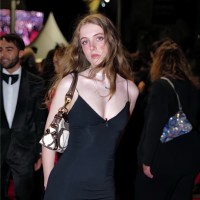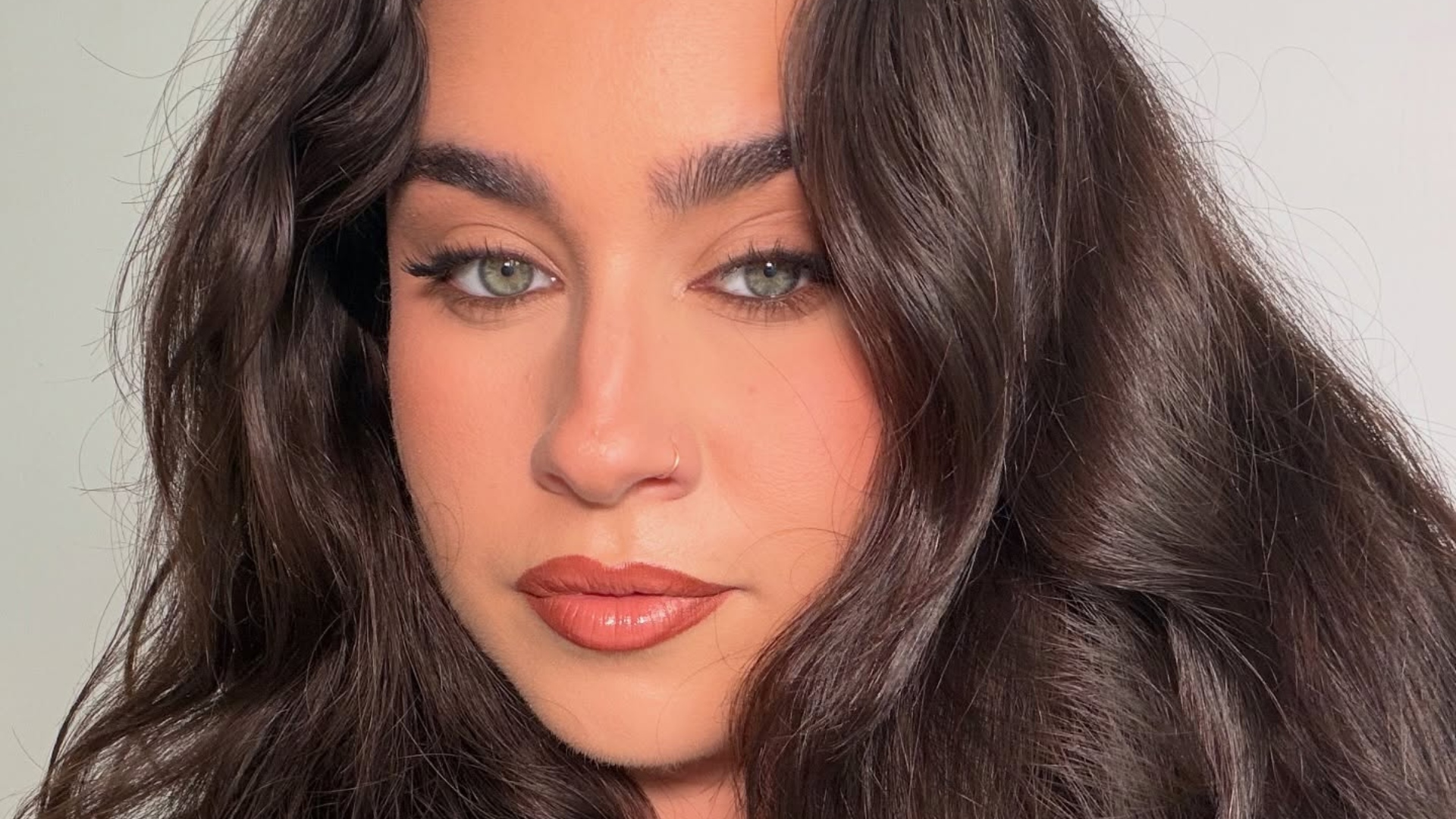
Former iconic member of the American girl group Fifth Harmony, Lauren Jauregui is facing a wave of online hate after her performance at the Rio Carnival. Known for her energetic stage presence and body positivity activism, the singer is encountering toxic misogyny mixed with criticism of her physique, turning a moment of celebration into a discriminatory controversy.
A powerful and unsettling performance
During the Rio Carnival, Lauren Jauregui set the stage ablaze with a form-fitting outfit and bold choreography, making her body a tool for total self-expression. This artistic freedom unfortunately quickly turned into a nightmare on social media: "You can't recognize her," "She's huge!" These attacks are reminiscent of the body shaming suffered by artists like the Canadian-Portuguese singer-songwriter Nelly Furtado.
These comments aren't just about her weight or her figure: they're attacking her as a person, her talent, her right to occupy space. It's a cocktail of fatphobia and sexism that normalizes verbal abuse against women who don't conform to the ultra-thin standards promoted by Ozempic or current fashion trends.
@souzaya29 But a video that filmed the show! Ela na minha frente! Meu amor todinho. @Lauren Jauregui #laurenjauregui #lauren #fifthharmony #popline #riodejaneiro ♬ som original - souzaya29
The denial of a still intolerant society
In a context where body positivity seemed to be gaining ground, these reactions highlight the fragility of progress. Gabrielle Deydier, author of the book "On achève bien les grosses" (We Finish Off Fat Women Well), explains: the visibility of non-normative bodies is increasing, but hatred persists, especially when a plus-size woman dares to perform with confidence. Lauren, a bisexual activist, has become the focus of these intersectional attacks. Fortunately, a counter-offensive is taking shape: fans and internet users are fiercely defending her, calling her a "queen" and denouncing these "misogynistic absurdities."
An artist who refuses to be silenced
Lauren Jauregui, with her husky, mature voice discovered on The X Factor, has always turned adversity into strength – from Fifth Harmony to her socially conscious solo career. Facing this storm, she embodies resistance: her body is not a flaw, but a statement. These criticisms, far from breaking her, underscore the urgent need for a debate on fatphobia, which is still far from being eradicated in the music industry and beyond.
Ultimately, the Lauren Jauregui case exposes the gap between inclusive rhetoric and the harsh reality of social media. When will we see a scene where artists are judged on their art, not on their weight? Her courage in the face of intersectional fatphobia is inspiring: it is by occupying the space, without compromise, that change is achieved.