On the surface, this dance school looks like any other. Yet, it's much more than a recreational space or an extracurricular activity. It's a refuge for young women with disabilities, a safe place in the heart of an ableist society that sorely lacks hospitality towards those who are different. At Disabled&, members in pink tutus and soft slippers can pursue their passion without judgment. Here, disability isn't an obstacle; it's an integral part of the performance.
An inclusive dance school that highlights disability
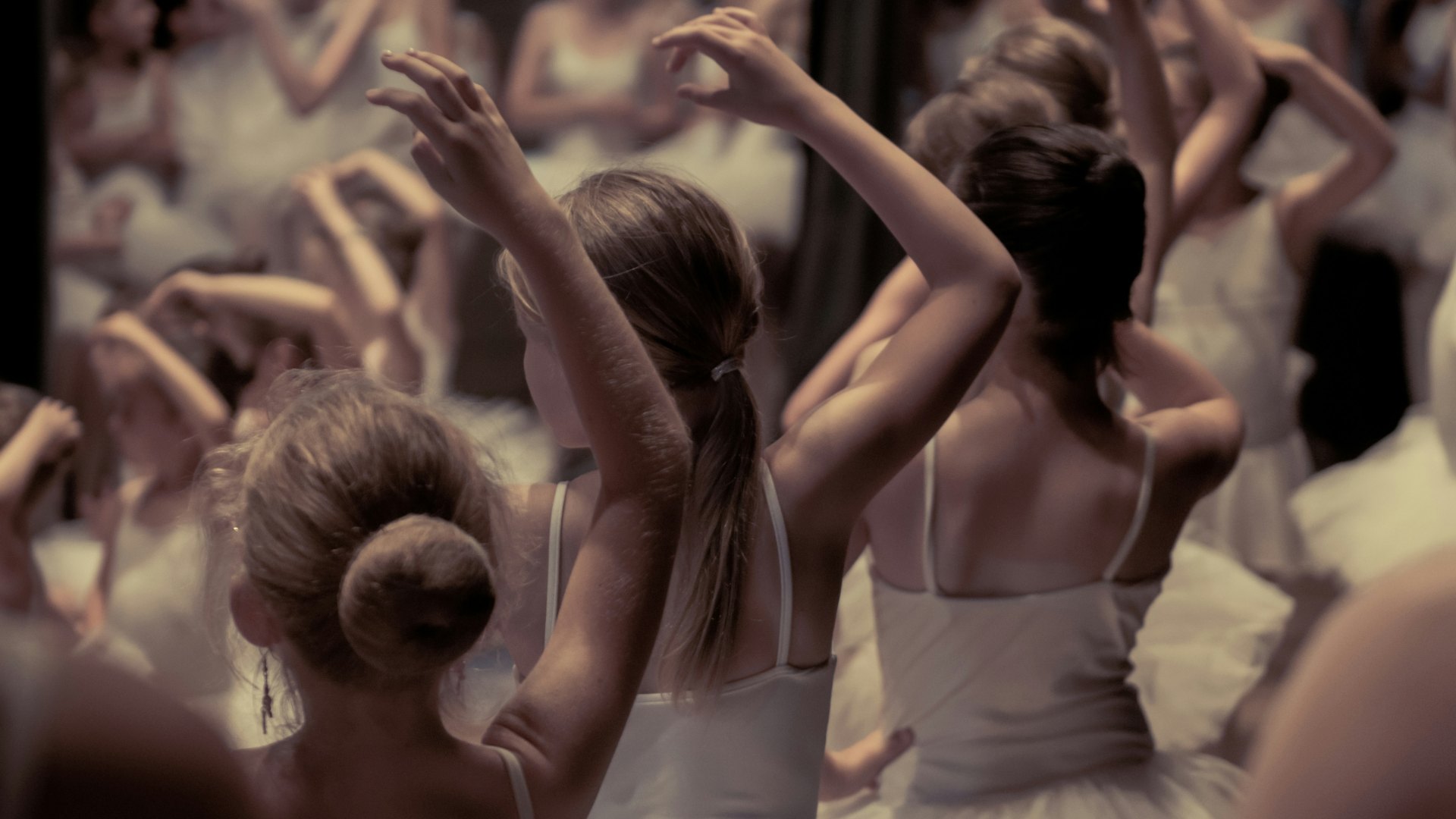
In these mirror-lined rooms where parallel bars serve as the sole decor, the young ballerinas-in-training practice cat steps and arabesques. They visibly imitate their dance teacher, who has a hand deformity. While they all share the same powder-pink uniform and satin leotard, they are far from being mere copies.
Some have amputated arms or agenesis of the hand, while others have an irregular skeleton. In this dance studio, disability is not a taboo word, much less an insult. It is inscribed in capital letters on the very epitaph of the facility. Whereas in traditional studios, disability is almost a disqualifying factor and closes doors to many applicants, in this realm of diversity, it is the norm, a fundamental principle.
These little girls, who have often felt incomplete, misunderstood, and sometimes like mere curiosities, finally have a space dedicated to them. Disabled& is a haven for people with disabilities: those born outside the norm or who have lost a limb in an accident. It's an inclusive showcase that shines a light on these women whom society prefers to exclude from the public sphere. What science officially labels an anomaly becomes an asset here. Moreover, these little girls, who no longer need to justify their disability or prove their worth on the polished floor, form a harmonious ballet, but above all, a joyful human chain.
Transforming disability into creative energy: a life mission
In the collective imagination, disability is inevitably seen as a burden. It attracts questioning glances, requires constant adjustments in daily life, and involves some sacrifices. Yet, disability is also an inexhaustible source of inspiration, a powerful means of expression.
At least that's the vision of April Lockhart, the founder of this unique "community" dedicated to society's forgotten members. "So yes, having a disability is part of our identity. But it's certainly not everything. You can have a disability and be an author, speaker, CEO, dancer, painter, technology expert, model, pastry chef… (the list goes on)," reads the manifesto on the website, which reflects this positive philosophy as its underlying message.
She brought to life what many considered a utopia or a lost dream, driven by a pure spirit of solidarity. She saw it not as a marketing opportunity, nor as a professional gain, but as a chance to unite people around a common cause and participate in collective change. Disabled& thus resonates as a form of revenge against an ableist world that marginalizes instead of integrating and that treats disability with fatalism.
In this parallel universe, wheelchairs , canes, crutches, and bionic legs are minor details compared to a major imagination. With Disabled&, April Lockhart aims to transform pity into admiration and do justice to those who struggle to exist outside of their disability.
View this post on Instagram
The woman behind this benevolent concept, an unlikely heroine
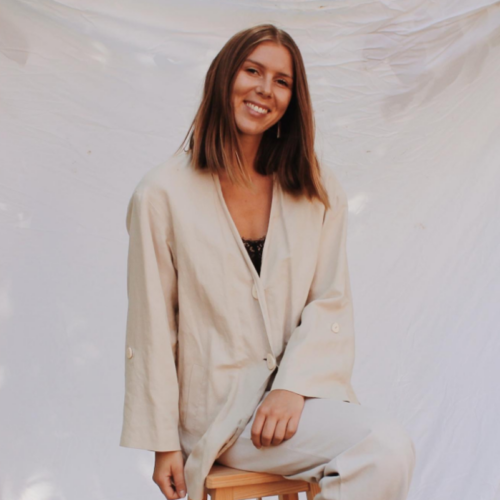
April Lockhart embarked on this human adventure and made it her purpose because she identifies with all those people who have to work twice as hard to gain even a modicum of recognition. She, who prefers the title of "disabled fashionista" to pre-packaged labels, has been there herself.
Before landing a spot on Forbes' prestigious 30 Under 30 list in 2025, she experienced sidelong glances, intrusive whispers, and probing questions. She knows what it's like to be the odd one out, the "special" girl in the group. She knows the feeling of loneliness amidst people who led her to believe she was abnormal, but the word "impossible" is completely foreign to her. Besides, the obstacle isn't on her body, but everywhere else. Despite the hurdles, this disability advocate has forged her own path to success. She has notably graced the catwalk and walked the runway in support of diversity for Victoria's Secret.
Disabled& was the logical continuation of this commitment to solidarity, the culmination of her dedication to disability rights. Roundtable discussions, dance classes, retreats focused on sisterhood, creative activities… This platform is a springboard for all those unjustly marginalized.
Disabled& empowers people with disabilities to reclaim their narrative and define themselves beyond their physical characteristics. In this space where trust is paramount, self-love begins early, leaving no room for insecurities or doubts. The young women in chiffon dresses thus take their own unique steps, breaking free from stereotypes.