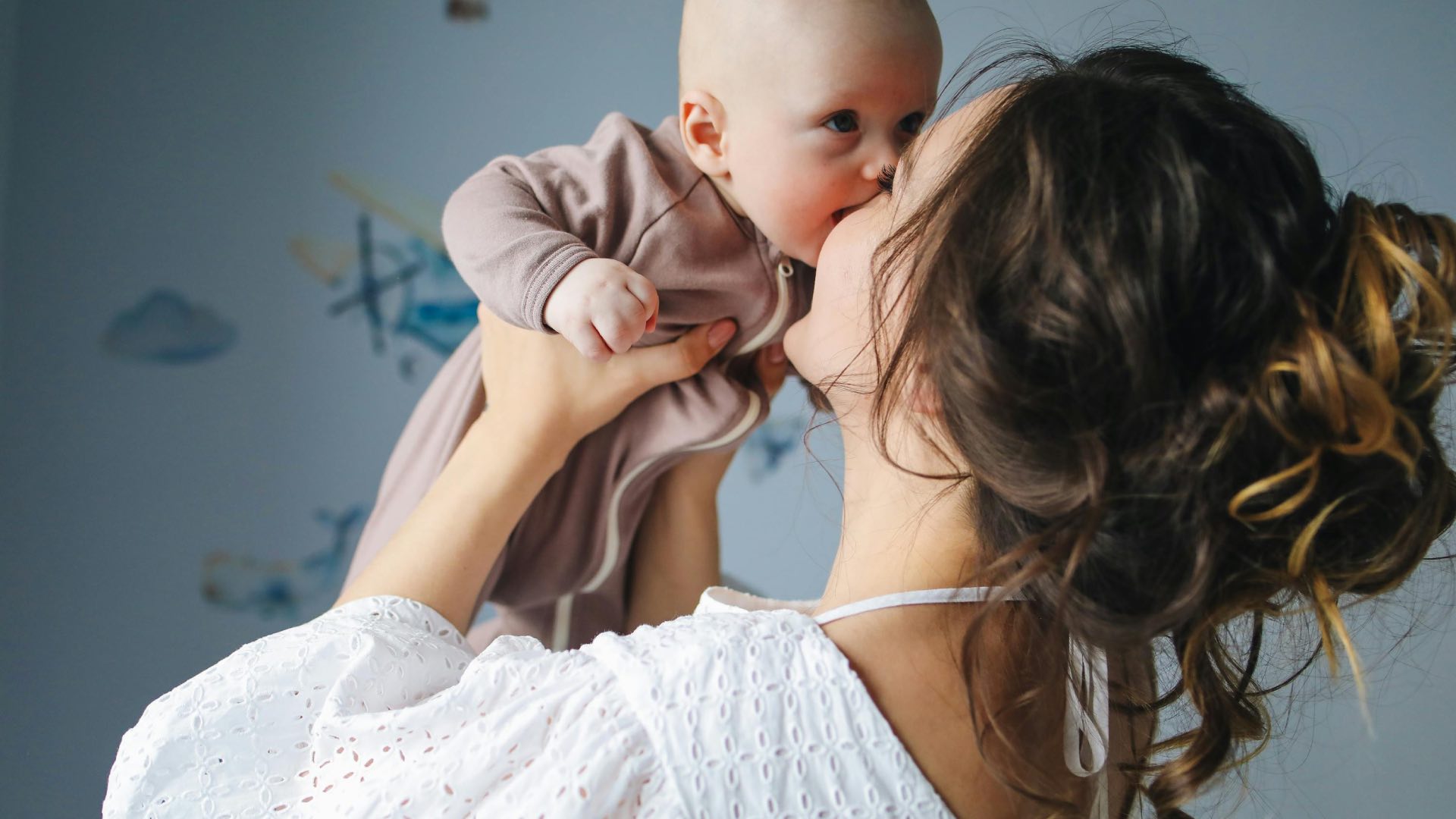
Having children doesn't just transform your nights, priorities, and organization; it could also change how you experience disgust. A recent study shows that parenthood influences certain fundamental emotional reactions, far beyond simple everyday actions.
Disgust: a protective… and very human emotion
Disgust is not an emotional whim; it's a genuine protective mechanism. This instinctive reaction compels you to avoid anything that could harm your health: spoiled food, bodily waste, suspicious odors, or situations perceived as unsanitary. It manifests itself through automatic behaviors—averting your gaze, backing away, avoiding contact—which serve a clear purpose: reducing the risk of infection and preserving your well-being.
In other words, disgust is there to protect you, not to complicate your life. This defense mechanism, however valuable, is not fixed: it can evolve with your experiences… and especially with parenthood.
Parents vs. non-parents: a different reaction to disgust
A team of researchers from the University of Bristol conducted a study published in January 2026 in the Scandinavian Journal of Psychology . It compared the disgust sensitivity of 99 parents and 50 childless adults. Participants were exposed to images designed to elicit rejection reactions, such as soiled diapers or other bodily scenes generally considered repulsive.
The results are particularly striking: parents whose children were already eating solid foods exhibited significantly less disgust compared to adults without children. Conversely, parents whose babies were still exclusively breastfed showed reactions similar to those of non-parents.
Desensitization through experience
Researchers interpret these results as a form of habituation. In other words, your brain adapts to what you experience regularly. Changing diapers, cleaning up vomit, dealing with soiled clothes or unappealing surfaces becomes routine. With repeated exposure, your instinctive emotional response softens.
This phenomenon is not limited to situations directly related to your child. The decreased reaction to disgust also extends to other images or scenes perceived as repulsive, suggesting a broader, more flexible, and more functional tolerance.
An adaptation to support your ability to care
From an evolutionary perspective, this transformation makes sense. When your child is very young and their immune system is still fragile, a strong sensitivity to disgust can help you avoid health risks. As they grow older, your role evolves: you must be able to manage unpleasant situations without being paralyzed by rejection.
This emotional adaptability allows you to act effectively, calmly, and confidently, even in uncomfortable situations. It demonstrates your remarkable ability to adjust, strengthen yourself, and respond to your child's needs with kindness and resilience.
The results should be interpreted with caution, but they are promising.
The study authors emphasize, however, that these findings should be interpreted with caution. This does not necessarily represent an irreversible biological change, but rather a behavioral and perhaps neurological adjustment shaped by experience. Further research will be needed to better understand the precise mechanisms of this emotional transformation.
Ultimately, this study sheds light on a still largely unexplored facet of parenthood: its influence on your fundamental emotions. By exposing you to situations that are sometimes unpleasant, but profoundly human, having children shapes your tolerance, your adaptability, and your relationship to your body—both your own and that of others. This is further proof that becoming a parent transforms not only your daily life, but also, gently, your inner world.