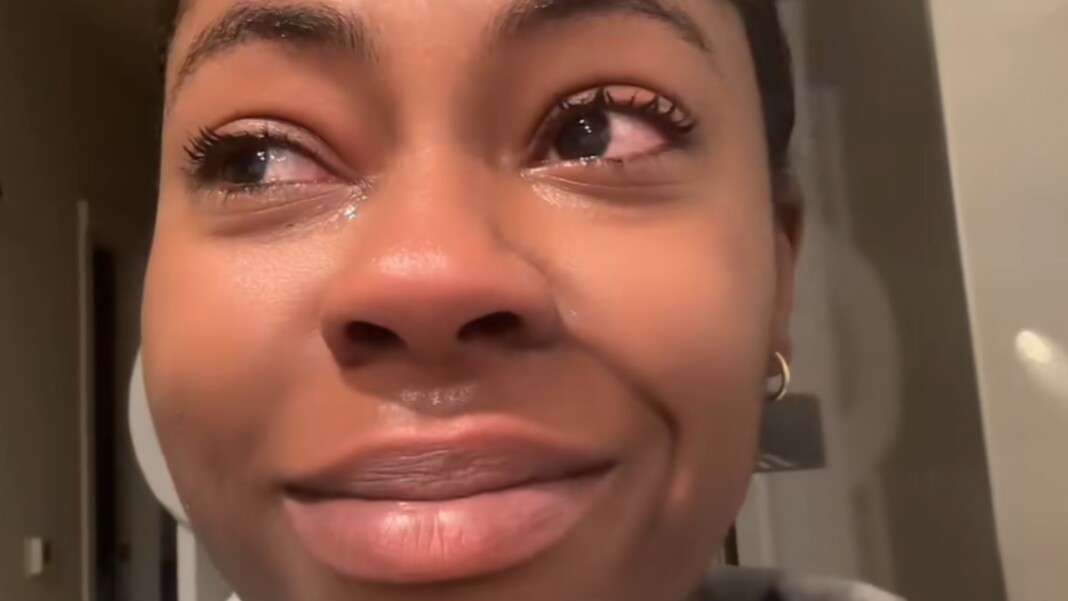
A heartbreaking video posted on TikTok by @weatheredanystorm has moved millions of internet users in recent days. In tears, the young mother films a moment of extreme distress, declaring that becoming a parent was "the worst mistake of her life."
A raw and unfiltered cry for help
The video by @weatheredanystorm, filmed in a moment of solitude and obvious exhaustion, sheds light on a rarely seen reality: that of a mother overwhelmed by the emotional, mental, and physical burden of raising a child, possibly autistic. In the video, she states: "If you're not ready to have an autistic child or whatever... don't have children." She confides that she no longer knows how to cope: "I don't know if I can take this for the rest of my life. I'm about to take him to his father's, even though he doesn't respond, and just leave him there for days at this point." These words, spoken in a state of utter exhaustion, have been widely shared, eliciting both compassion and reflection.
@weatheredanystorm Idk if i can deal with this for a lifetime. Im avoit to take him to his dad even though he aint respond and just leave him for days atp #foryoupage #spectrum ♬ original sound - Rani


A wave of support… and warnings
In the comments, many internet users, often parents of neurodivergent children themselves, express their understanding: "Enroll him in daycare as soon as possible, you need a nap!" or "As the mother of an autistic child... you have to grieve, privately, what you thought motherhood would be like. Then, I promise you, what he does will seem more interesting than difficult." Some people also share their own experiences, mentioning the help they received after contacting social services: "I reached exactly that point. I called child protective services and they gave me so many resources."
Ultimately, while @weatheredanystorm's video may have been shocking, it primarily highlights a persistent taboo: that of parental regret, maternal exhaustion, and the urgent need for support for single mothers. It's a stark reminder that motherhood isn't always instinctive or straightforward—and that talking about it, without judgment, is a first step toward greater solidarity.