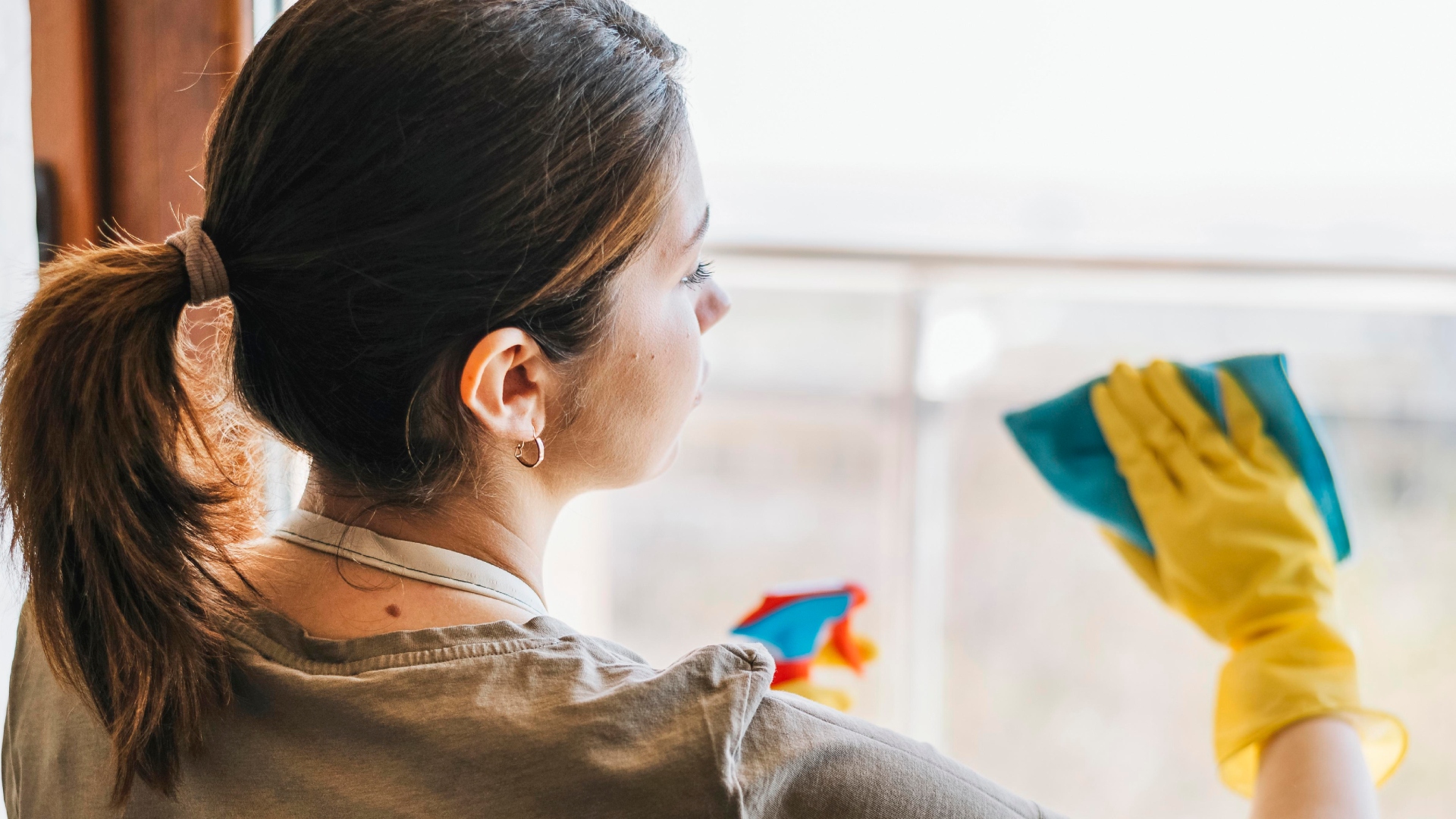
Cleaning, polishing, disinfecting: these are part of your daily routine. But did you know that some household products could, in the long term, affect your breathing? A large European study investigated this question, with results that give us pause for thought…
A long-term study that raises questions
In 2018, a team of researchers from the University of Bergen, Norway, published in the American Journal of Respiratory and Critical Care Medicine the results of an impressive follow-up: 6,235 European adults observed for nearly twenty years, as part of the ECRHS (European Community Respiratory Health Survey).
Through three spirometric examinations conducted over time, scientists measured changes in the participants' lung function. Their main finding concerns women who regularly use household cleaning products, either at home or in a professional setting.
In these women, the decline in respiratory capacity appears slightly more rapid than in those with low exposure. The extent of this decline, over a period of 10 to 20 years, is comparable to that observed in moderate smokers. This is not a sudden effect, but a gradual phenomenon that develops over time.
What happens in the lungs?
Everyday products—multi-purpose sprays, floor cleaners, descalers—release chemical fumes when used. Many contain ammonia, chlorine, or quaternary ammonium compounds. In small doses, these substances irritate the bronchial mucous membranes. Repeated week after week, this exposure could contribute to mild chronic inflammation.
Specifically, the study highlights an annual decrease in FEV1 (forced expiratory volume in one second) of 22.1 ml in women who do housework at home, and of 22.4 ml in professional cleaners. In women not exposed to radiation, this decrease is estimated at 18.5 ml per year. Forced vital capacity (FVC) follows the same trend, with an annual reduction of between 13.1 and 15.9 ml depending on the level of exposure.
Among men, the effect is much less pronounced, probably because they are statistically less involved in regular household chores in this cohort. Moreover, 85% of those performing household cleaning in the study were women.
An important point: even weekly use of a single product, whether spray or not, seems to contribute to this cumulative effect. It's the small, repeated exposures that matter.
A risk that has long been underestimated
Healthcare professionals already knew that certain household products could trigger asthma attacks or immediate respiratory symptoms, particularly in cleaning staff. This research highlights a more silent impact, not necessarily accompanied by acute signs.
The study does not show a significant increase in cases of chronic obstructive pulmonary disease (COPD) in the short term. However, the measured decrease in FVC suggests that changes in lung tissue could occur over several decades.
Comparatively, heavy smokers (more than 20 pack-years) experience an annual loss of FEV1 of up to 27 ml. Household cleaning products fall into an intermediate range, close to that of moderate tobacco exposure. This should prompt a re-evaluation of these household actions, often perceived as harmless.
Cleanliness and breathing can go hand in hand
Good news: it's not about giving up on a clean home. It's more about adopting habits that are kinder to your breath.
- Ventilation is a key reflex. Opening windows wide for at least fifteen minutes during and after cleaning helps to remove a large part of the irritating fumes.
- Reduce the frequency of sprays, favour non-sprayed liquid formats, or even better, use simple natural alternatives like diluted white vinegar or baking soda.
- Remember to measure carefully: a small amount is often enough. Wearing gloves limits skin contact, and a light mask can reduce inhalation during more intensive tasks.
Ultimately, this study isn't about making you feel guilty, but about informing you. By adjusting a few simple habits, you can preserve your respiratory health in the long term. Breathing freely at 50 or 60 is a gift you can start giving yourself today, without sacrificing your comfort or well-being.