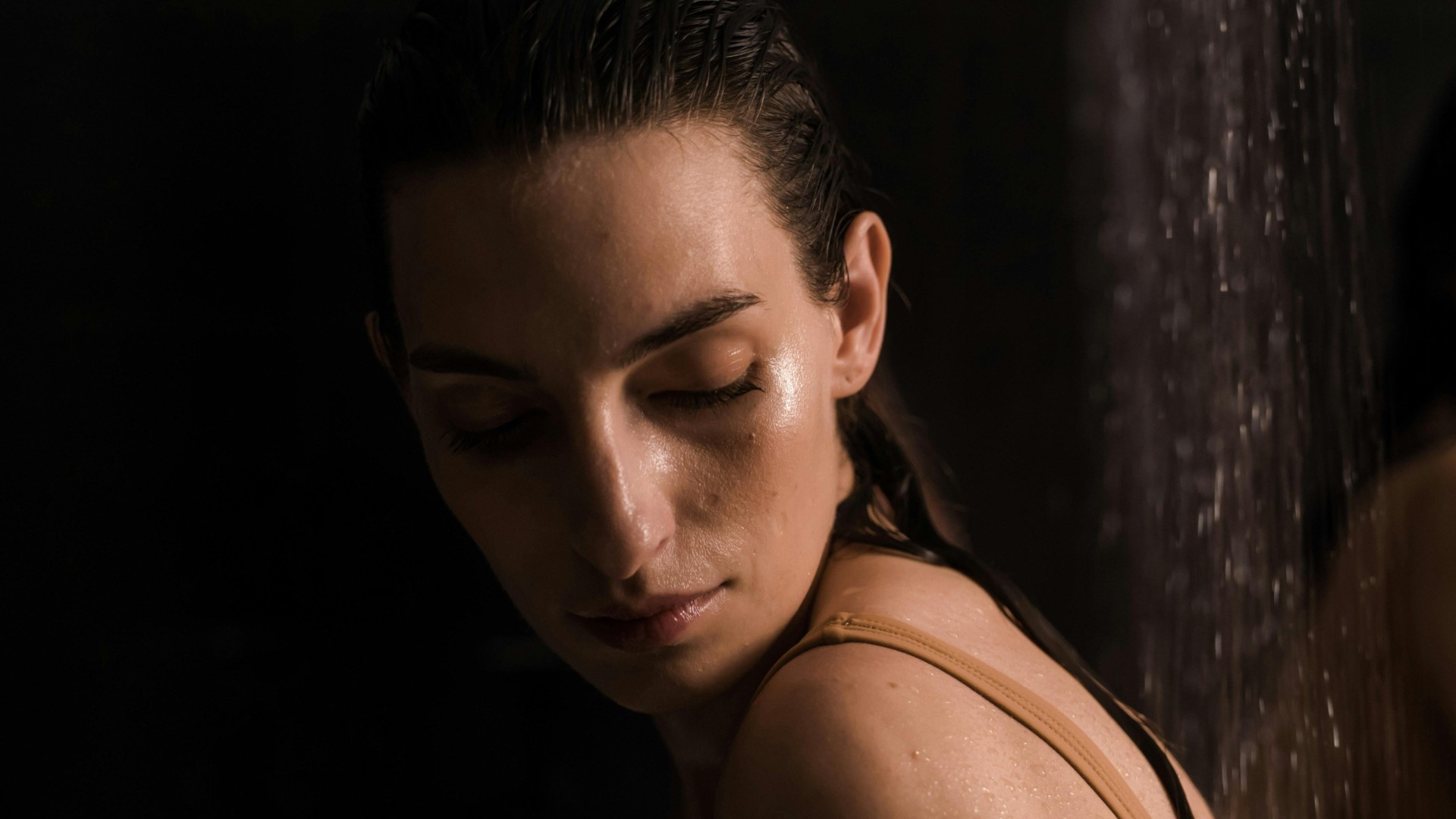
Turning off the light before showering might seem surprising, yet this habit is increasingly intriguing healthcare professionals. Less light, more calm: what if this small change transformed your evening routine into a truly soothing interlude?
Less light, more gentleness for your internal clock
The principle is simple: reduce visual stimulation to help your nervous system slow down naturally. In the evening, artificial light—especially from powerful bulbs and screens—sends your brain a wake-up signal. Specialists at Harvard Medical School explain that late-night light exposure can inhibit the production of melatonin, the hormone that prepares your body for sleep. In other words, the more intense the light, the more your body remains in "alert" mode.
In this context, taking a shower in semi-darkness is part of a routine that transitions towards rest. Dim lighting, or even switching it off if your bathroom allows it safely, can send a clear signal: the day is coming to an end, time to unwind.
View this post on Instagram
Reduced sensory stimulation, less stress
Your body is a marvel of sensitivity. It reacts to light, noise, temperature, and textures. When the environment is very bright, your alertness increases. Conversely, a darker setting promotes the activation of the parasympathetic nervous system, the one that supports relaxation and recovery.
The Sleep Foundation also points out that reducing light in the evening is a standard recommendation for good sleep hygiene. While no studies specifically examine "showering in the dark" as an isolated practice, it aligns perfectly with these established principles.
In practical terms, by reducing visual stimuli, you give your mind a chance to breathe. Your breathing can become deeper, your shoulders relax, your inner rhythm slow down. Your body, in all its presence and sensory richness, becomes the center of the experience.
An invitation to mindfulness
In darkness or semi-darkness, your attention naturally shifts to other sensations: the enveloping warmth of the water, the steady flow over your skin, the steam caressing your face. Some doctors describe this as having an indirect effect similar to mindfulness practices. Without visual distractions, you are more attuned to your bodily sensations. This sensory immersion can transform an ordinary shower into an almost meditative ritual.
According to the American Psychological Association , mindfulness-based approaches help reduce stress and improve overall well-being. Showering in a dimly lit environment doesn't replace a structured routine, but it can capture its essence: slowing down, feeling, and welcoming. Your body is no longer simply washing itself; it becomes a space for listening and mindful attention.
A practice to be adapted with common sense
That said, caution is advised. Showering in total darkness can increase the risk of falls, especially if you have poor balance or if your bathroom has slippery surfaces. Professionals therefore recommend, if you wish to experiment, opting for very soft lighting rather than complete darkness. A nightlight, indirect lighting, or a low-wattage bulb can be enough to create a cozy atmosphere while ensuring your safety. The goal isn't performance or extremes, but comfort. You deserve an environment that is both calming and reassuring.
In short, showering in the dark isn't an official medical prescription. It's a habit based on simple principles: reducing light in the evening, minimizing stimulation, and preparing your body for sleep. In a world saturated with screens, alerts, and fluorescent lights, this minimalist gesture can become an act of self-care.