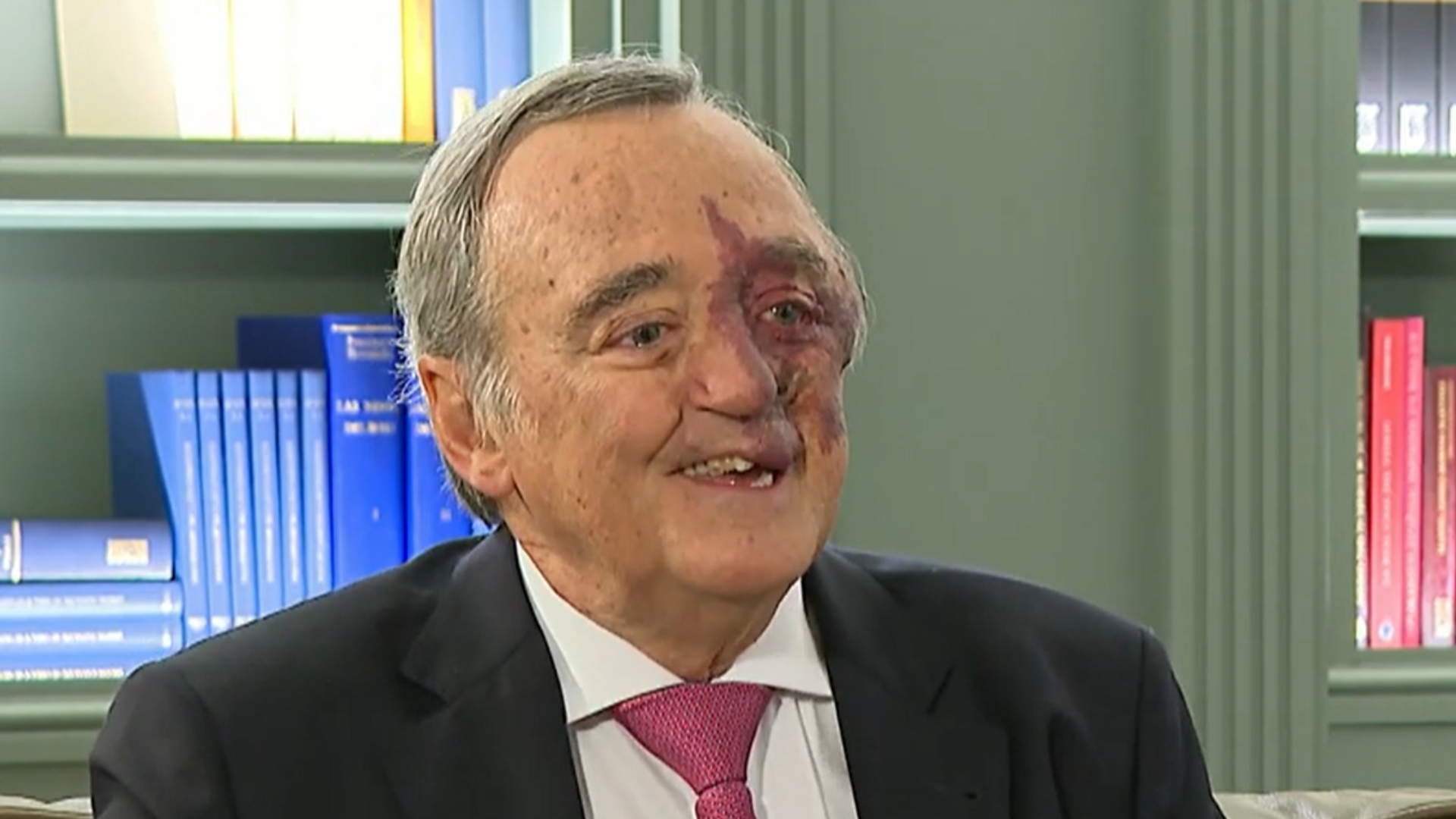
Mariano Barbacid, a prominent Spanish researcher and pioneer in the fight against cancer, recently announced a major breakthrough in the fight against pancreatic cancer and made a televised appeal for €30 million in funding "to launch human clinical trials." However, after completely eliminating the disease in mice, this request has deeply divided public opinion.
A promising breakthrough (in mice)
At the head of the CNIO's experimental oncology group in Spain, Mariano Barbacid and his team have developed a triple therapy combining three drugs that target key proteins (KRAS, EGFR, STAT3). In mice, pancreatic tumors disappeared without significant relapse, even after treatment was stopped, and without serious side effects. These results, published in PNAS, represent hope in the fight against this ultra-aggressive cancer with a low five-year survival rate (less than 10%).
Funding, a colossal challenge
Mariano Barbacid estimates the cost of moving to human clinical trials, a complex 2-3 year process involving three simultaneous drugs, at at least 30 million euros. He is therefore calling for urgent support, emphasizing that "delays could cost thousands of lives." While promising, experts point out that "animal successes" do not always translate to humans and require rigorous validation.
Controversy on social media
- Online reactions have been passionate and divided. On one side, enthusiasm: "A boxer earns 30 million in one or two fights. A footballer in a year. It would be a shame for humanity not to give 30 million to this man to launch trials that could save millions of lives."
- On the other hand, there is skepticism: "Everyone is asking 'where are the billionaires?' They know it's nonsense. Human trials would cost a billion. Instead of asking 'where to invest?', ask yourself 'why not invest?' That's what billionaires do."
Mariano Barbacid's appeal for 30 million euros has crystallized a vital debate: should massive investments be made in this triple therapy for pancreatic cancer, validated in mice, or should additional guarantees be awaited? Between legitimate hope and scientific caution, this controversy underscores the urgent need to fund research against a "silent killer," potentially saving millions of lives.