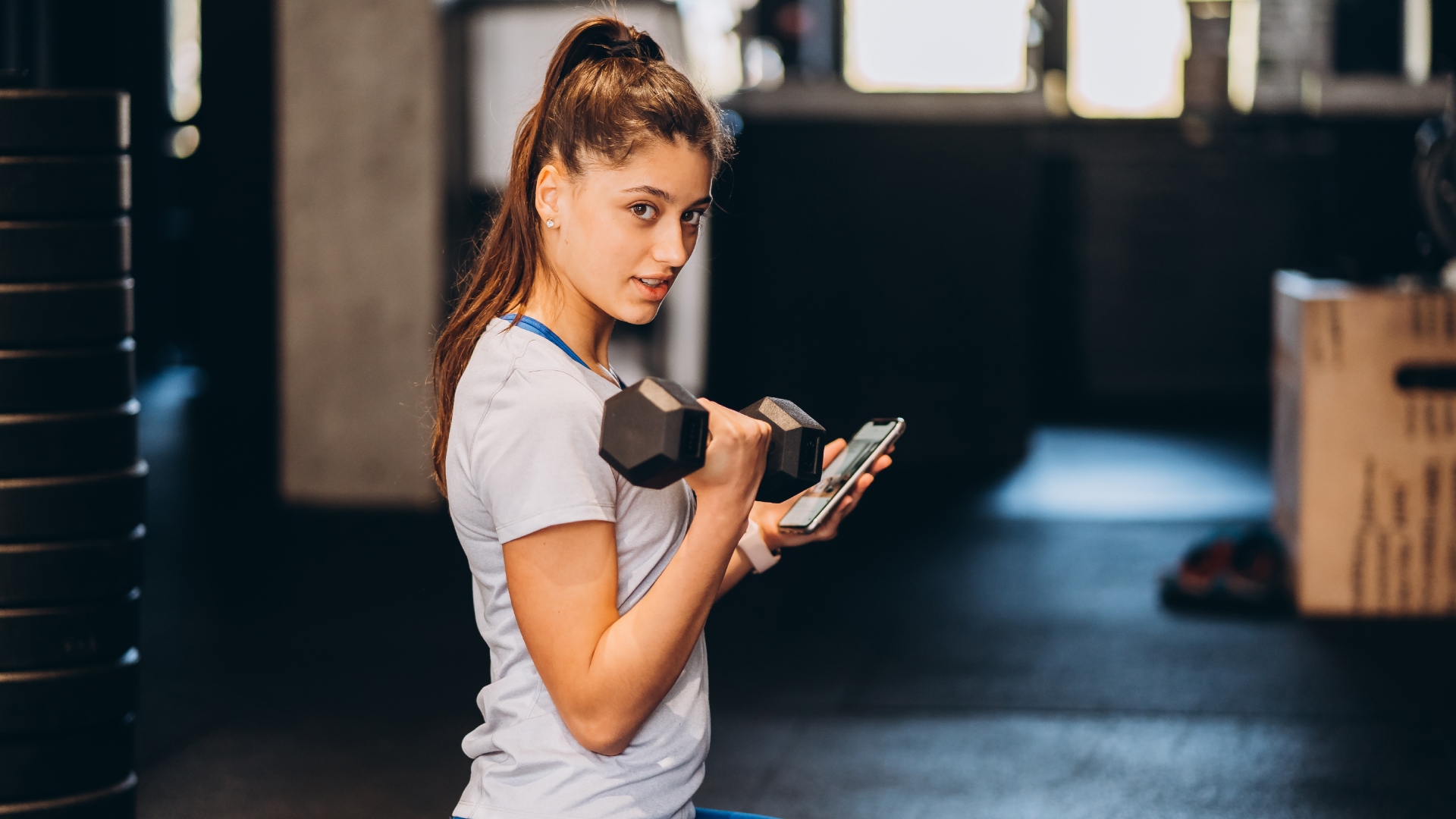
In 2026, weight training is emerging as a leading activity among young adults. The dominance of cardio is over: strength, targeted strengthening, and functional performance are taking center stage. Behind this trend, however, one essential truth remains: your body is already valid as it is, with or without exercise.
A new culture of the strong body
Among Gen Z and millennials, body standards are evolving. The cult of thinness is gradually giving way to a more functional vision of the body: a capable, strong, and self-reliant body. Weight training is becoming a symbol of personal power, lasting health, and self-control. Group fitness classes have literally exploded , rising in just a few years from the bottom of the rankings to first place in many countries, from France to the United States and South Korea.
Young women are playing a central role in this transformation. On social media, many content creators are celebrating strength, independence, and self-confidence, a far cry from the old discourse focused solely on thinness. The message is clear: feeling strong isn't about trying to change your body, it's about learning to fully embrace it.
Between aesthetics, health and mental well-being
Weight training is appealing for several reasons. From a physical standpoint, it allows for body recomposition, improves bone density, stimulates metabolism, and helps prevent age-related muscle loss. Mentally, it offers a sense of progress, control, and grounding, strengthening self-esteem and confidence in one's abilities.
Health organizations recommend at least two strength training sessions per week. Yet, despite the omnipresence of bodybuilding on social media, a large proportion of young adults do not meet these recommendations. This reveals a disconnect between what we see online and the reality of many lives: busy schedules, fatigue, financial constraints, or simply a lack of motivation.
Venues and apps that are reinventing themselves
Faced with this growing enthusiasm, gyms are transforming. They now offer more machines, functional training areas, more fun and accessible formats, and programs adapted to all levels. Technology is keeping pace with this trend: tracking apps, connected devices, and performance tools are proliferating to help people who want to structure their workouts.
This evolution makes weight training more inclusive, more educational, and less intimidating than before. It is no longer reserved for bodybuilders or experts, but is aimed at anyone who wants to move, progress, and feel good in their body.
A trend, not a directive
It's essential to remember: bodybuilding is an option, not an obligation. Your body doesn't need to be maintained, corrected, modified, or "optimized" to be valuable. It's already worthy of respect, care, and consideration, exactly as it is today.
You don't have to prove anything to a trend, to standards, or to anyone. You only do sports or weight training if you want to, if it makes you feel good, if it brings you pleasure, or a sense of accomplishment. And if it doesn't, your worth, your health, and your beauty are not diminished.
In summary, bodybuilding has become a cultural touchstone for many young adults, but it is neither universal nor essential. True well-being is based first and foremost on listening to yourself, respecting your needs, and the freedom to choose what suits you best.