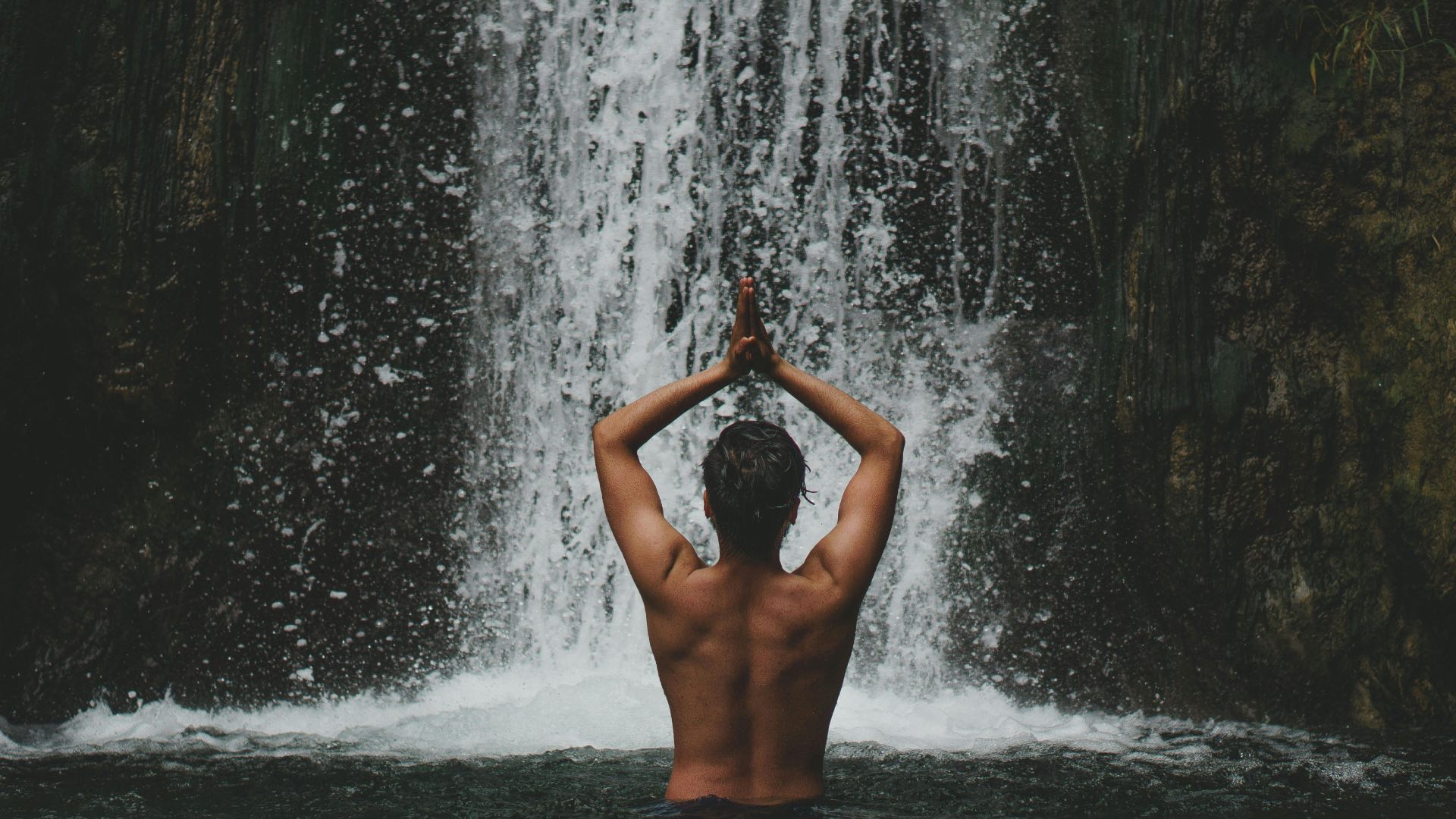
Immersion or cold showers are no longer just manly challenges or athletic rituals: science shows they profoundly alter brain chemistry. The result: more dopamine, greater mental clarity, and improved stress resistance, without the harmful effects of artificial stimulants.
A real dopamine rush, the healthy version
Research reported by Andrew Huberman and several research teams indicates that voluntary exposure to cold can increase dopamine levels by approximately 200–250%, with the effect lasting for several hours after immersion. Unlike some drugs that cause a sudden spike followed by a crash, the dopamine curve associated with cold is more gradual and stable, resulting in a lasting feeling of motivation, pleasure, and increased focus. Simultaneously, cold also significantly increases noradrenaline (or norepinephrine), a neurotransmitter linked to alertness and vigilance, which explains the mental "boost" felt after an ice-cold shower.
Mental clarity, mood, and stress management
Studies on cold water immersion show a marked improvement in mood, with increased feelings of energy, pride, and inspiration, and less nervousness or distress immediately after the bath. The cold initially activates the sympathetic nervous system (the “survival” mode), then, once the exposure is over, promotes a return to calm via the parasympathetic system, creating a neural “reset” effect that helps better manage daily stress. Some research also suggests an increase in neuroplasticity thanks to specific cold-induced proteins, which could improve the brain's ability to adapt and recover from emotional challenges.
Why this can motivate you on a daily basis
This combination of elevated dopamine, norepinephrine, and endorphins explains the popularity of cold showers and ice baths among those seeking a natural motivation boost. A few minutes in cold water (often 1 to 3 minutes, or slightly longer with simply cool water) is enough to improve focus, productivity, and overall well-being for part of the day. Carefully integrated into a routine (in the absence of cardiovascular issues and after consulting a doctor if necessary), this ritual can become a simple way to feel more alert, more resilient, and less dependent on conventional stimulants.
Ultimately, cold exposure isn't just a fad or a performance-enhancing trick. It's a natural, free, and scientifically supported way to rebalance brain chemistry, strengthen mental resilience, and regain more stable energy levels on a daily basis. While it doesn't promise miracles, a few minutes in cold water can be enough to trigger a virtuous cycle: greater clarity, greater inner peace, and increased motivation.