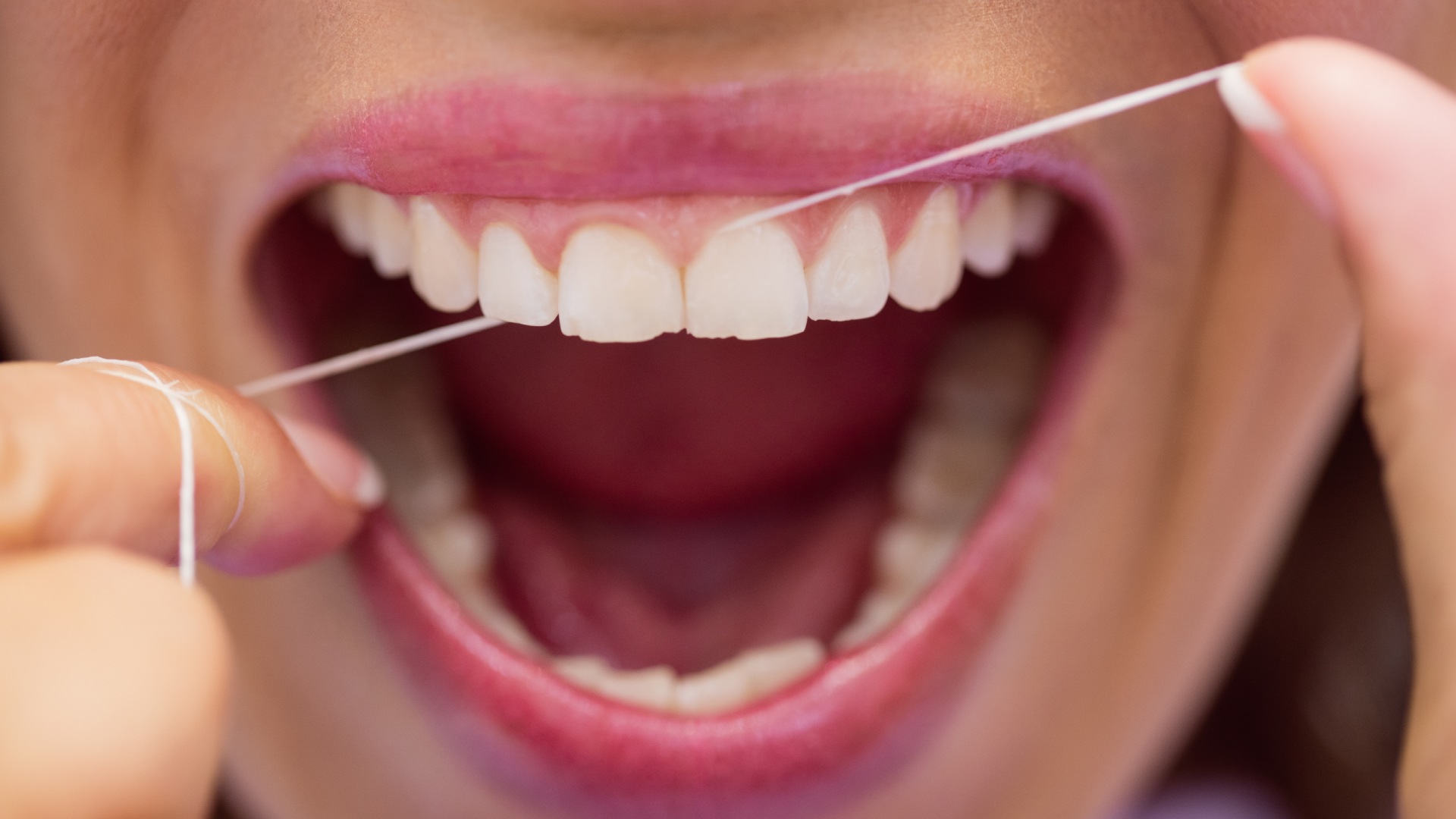
Brushing your teeth after every meal is the ultimate foundation of oral hygiene. However, beyond this almost automatic habit, you should refine your cleaning routine with dental floss. This small tool, designed to dislodge trapped crumbs and nasty bacteria between your teeth, isn't exactly touted by beauty influencers. Yet, it's far more useful than the wellness gadgets you see all over the internet.
An accessory that is too often underestimated
Many members of Generation Z dream of receiving their first paycheck to get veneers abroad or aspire to whiten their teeth for a smile worthy of an advertisement. Yet, few truly take care of their teeth and maintain the good oral hygiene habits instilled by their parents. While brushing teeth was a timed activity in childhood, an unavoidable routine, as adults we sometimes procrastinate on this otherwise essential ritual. We tend to brush our teeth more hastily. This is quite paradoxical when you consider the amount of time spent in front of the mirror slathering on creams, anti-aging serums, and strangely colored masks.
But here's the thing: dental problems are unforgiving. Even though there are now supersonic toothbrushes enhanced with cutting-edge technology, dental floss remains essential. This accessory, which isn't necessarily the most stylish item in a bathroom cabinet, is regularly prescribed by dentists. Far from being optional, it serves a real purpose. While many use it to avoid the dreaded "salad between the teeth," it's primarily used to clean those hard-to-reach nooks and crannies. As dental surgeon Kami Hoss reminded SELF , a toothbrush only cleans 60% of the tooth surface. The logical conclusion: dental floss takes care of the rest.
It removes plaque, prevents cavities, reduces the risk of periodontal disease, and freshens breath at the same time. In other words, it contributes to good dental health and complements traditional brushing for a truly clean mouth.
Positive repercussions beyond the mouth
Dental floss does more than just remove post-meal debris and perfect your smile. It contributes to overall health and may even increase life expectancy. Yes, this often-neglected item, never seen in viral hashtags, could prolong our time on Earth. Contrary to popular belief, the mouth is sometimes the starting point for other illnesses that, at first glance, seem to have nothing to do with this area.
“The gingival sulcus, that fine groove where the gum meets the tooth, is lined with one of the most permeable tissues in the human body,” explains the specialist. “Richly vascularized, it allows bacteria and all the substances we introduce into it to enter the bloodstream very directly.” Bacteria that thrive in this area can therefore be found elsewhere in the body, due to their high absorption rate. One bacterium in particular is attracting attention: Porphyromonas gingivalis. The expert specifies that it can clog arteries during a heart attack and that it has already been found in the brain tissue of Alzheimer's patients. “Chronic periodontal diseases cause systemic inflammation that affects almost all major disease categories,” warns Dr. Hoss.
How to use dental floss correctly
Dental floss isn't the most "desirable" tool on the market, but it plays a valuable preventative role in certain diseases. While it's certainly not a magic wand that solves all problems at once, it is a public health tool. If you're not familiar with dental floss, here's how to use it for intensive and effective cleaning:
- Cut a sufficient length. Take about 40 to 50 cm of dental floss. It seems long, but it allows you to change the area clean for each space.
- Wrap around the fingers: Wrap the majority of the thread around your middle fingers, then keep 2 to 3 cm taut between the fingers to work.
- Gently insert the floss between your teeth. Slide the floss along without forcing it. Avoid snapping the floss against your gums (this is a common mistake).
- Form a “C” around the tooth. Once between two teeth, press the wire against a tooth, forming a C, and gently move upwards from the gum.
- Clean both sides. Make this movement on the left tooth, then on the right one in the same space.
- Change areas for each tooth. Unroll a little clean floss at each new space to avoid redistributing bacteria.
The specialist recommends engaging in this ritual once a day, preferably in the evening before sleeping for optimal and consistent use.
Easy to incorporate into a daily routine, it only takes a few minutes a day, but its effects are long-lasting. In short, this small, discreet gesture makes a big difference in keeping your teeth healthy for longer.