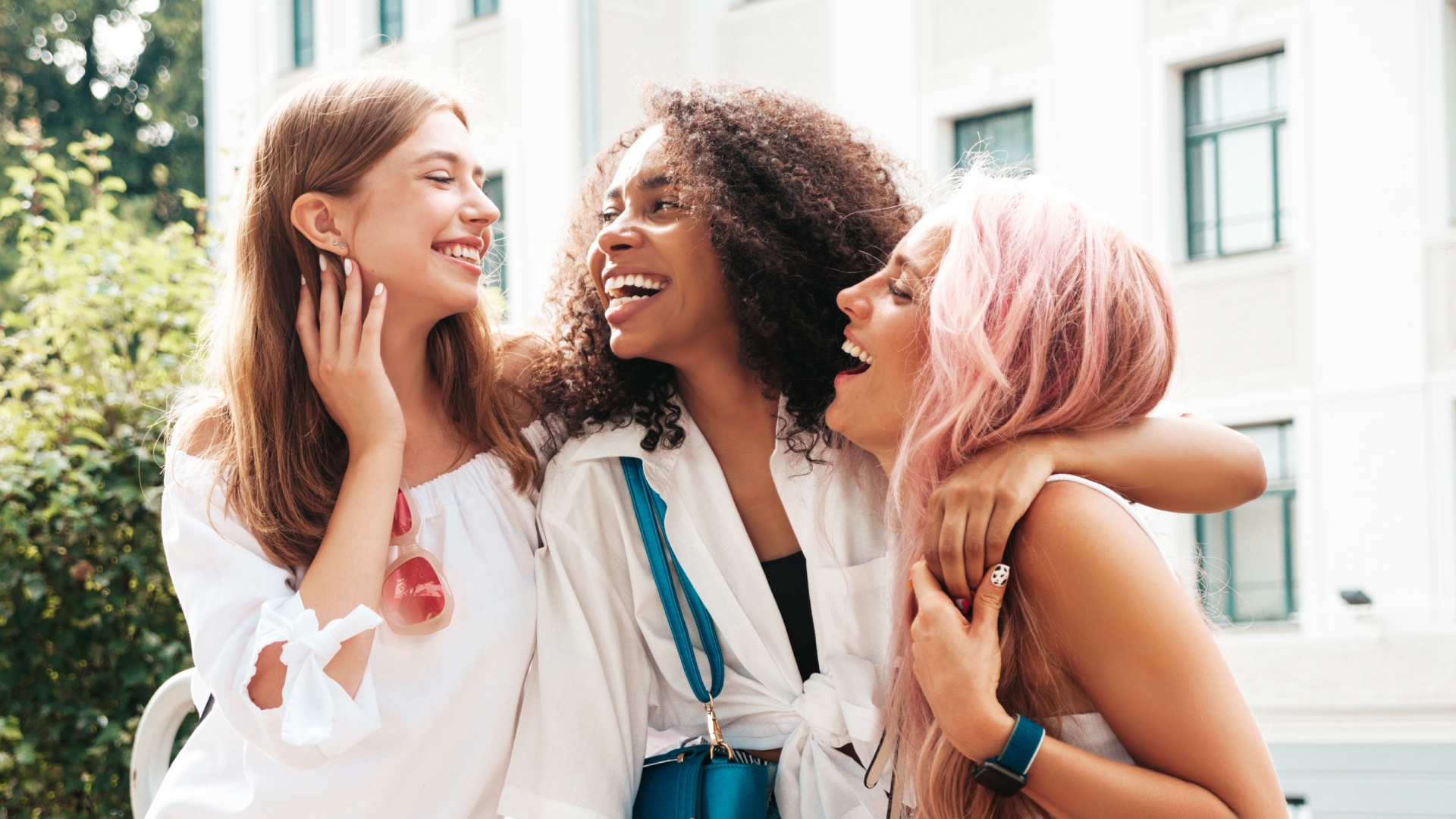
By 2026, more and more women are embracing a chosen single status, experiencing it as a source of fulfillment. Far from stereotypes, this relationship trend is redefining norms and celebrating diverse, free, and fully assertive life paths.
A trend that is becoming increasingly evident worldwide
The phenomenon is not limited to one region: it can be observed in many countries. In the United States, a Kinsey Institute study shows that 16.5% of adult women choose to remain single, compared to 9% of men. In Europe, the proportion of women aged 25 to 34 living without a partner has reached 41%, twice as high as fifty years ago.
In Japan, the 4B movement is gaining traction among young women, some of whom are choosing to move away from traditional romantic relationships. As a result, nearly 20% of women aged 20 to 30 now prioritize a form of relationship independence. These figures reveal a profound shift: being single is no longer seen as the default option, but as one choice among many.
Being single, a choice that rhymes with satisfaction
Contrary to popular belief, single women are not necessarily looking for something they lack. Several studies even show that they report, on average, a slightly higher level of satisfaction than men in the same situation.
A survey of 2,000 single people reveals that 21.8% of women voluntarily choose relationship abstinence, compared to 15.1% of men. Their satisfaction level averages 2.8 out of 5, compared to 2.6 for men.
Why this difference? Research suggests that single women invest more in essential aspects of their well-being: career, friendships, passions, and personal projects. This diversity of commitments contributes to strengthening their overall balance.
Taking back control of your life
Several factors underlie this choice. Financial independence plays a key role: approximately 70% of female graduates consider it a priority. Being able to support oneself offers new freedom in how one builds one's life.
Some also mention feeling tired of what they perceive as toxic relationship dynamics or disappointing experiences on dating apps. Others speak of a desire to refocus on themselves, their bodies, their desires, and their plans.
In the wake of movements like #MeToo, many women are demanding a better understanding of their limits and needs. Single life then becomes a space for respite, but also for rebuilding and self-affirmation.
A different vision of fulfillment
Traveling alone, developing new skills, cultivating strong friendships, or simply enjoying everyday life: for 92% of single women, personal development is becoming a priority. Certain generations, such as Generation X women, seem particularly fulfilled by this lifestyle. They often describe a sense of inner stability, nurtured by experience and a greater understanding of themselves.
This doesn't mean everything is always easy. Around 20% of respondents sometimes mention experiencing slight emotional discomfort. However, this doesn't call into question their overall choice, which they perceive as positive and aligned with their needs.
One model among many, without pressure
This movement doesn't seek to pit singleness against being in a relationship, but rather to broaden the possibilities. Being in a relationship can be a source of joy and balance, just as being single can be. The essential point lies elsewhere: in the ability to choose what suits you, at your own pace, without external pressure. Your worth depends neither on your relationship status nor on a single model of success.
In 2026, these women powerfully remind us that fulfillment can take many forms. And that living alone, in a body that is respected and a life that reflects who you are, can be a profoundly rich, free, and joyful adventure.