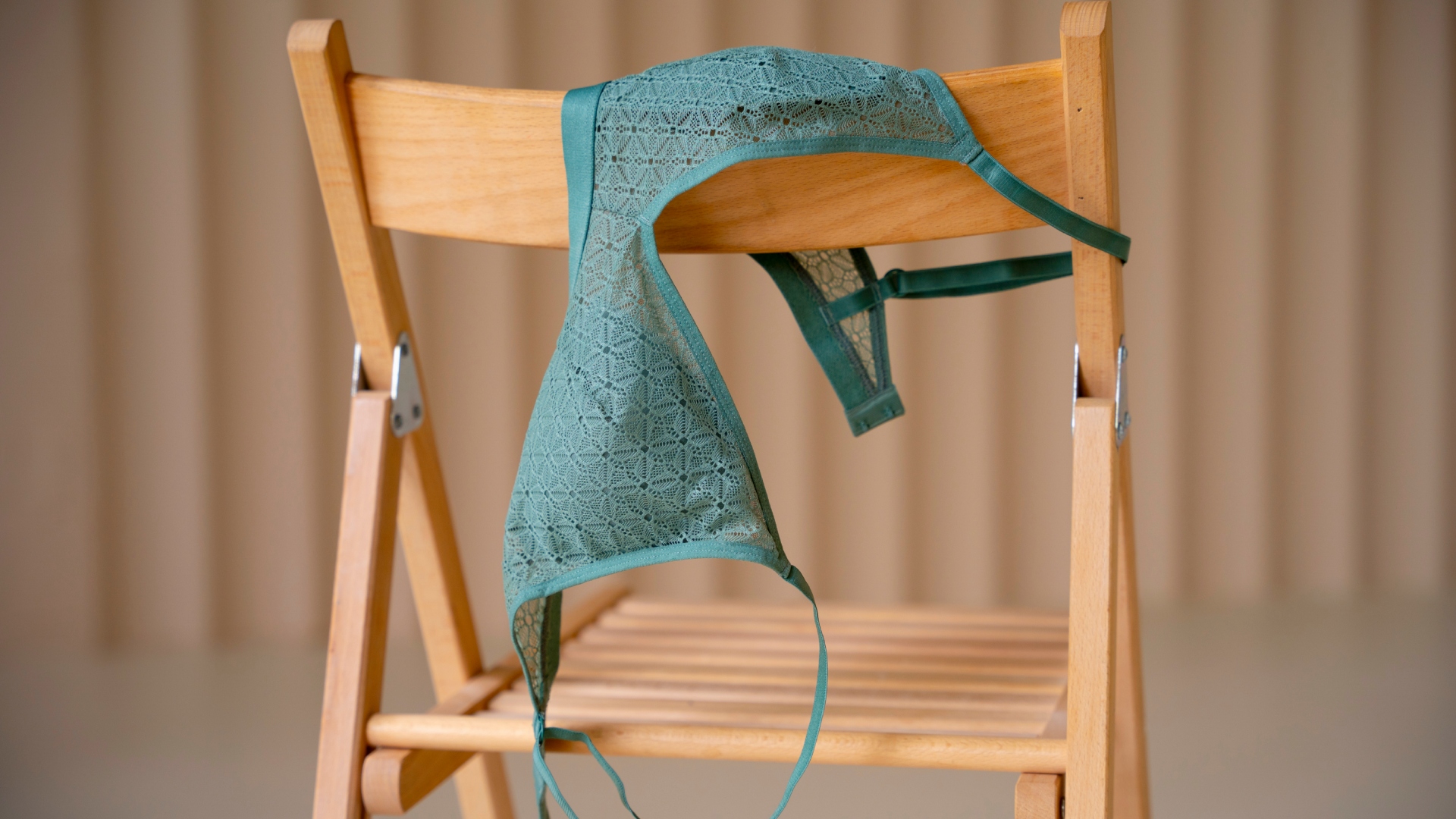
A smart bra from Japan has recently caused a stir on the internet. Conceived as a technological innovation, it nevertheless raises important questions about trust, intimacy, and bodily freedom.
A clever bra that intrigues as much as it amuses
For the past few weeks, an unusual yet symbolic Japanese invention has been making the rounds on social media: a smart bra whose clasp can only be opened with a previously registered fingerprint. The creator of this invention is Yuki Aizawa, a student and designer. Her project lies at the intersection of experimental design, wearable technology, and deliberately provocative humor.
Presented as an "anti-infidelity" device, this bra is not intended for sale. It is a conceptual prototype, conceived as a creative exploration rather than a practical solution. Behind its playful appearance lies an idea powerful enough to spark a global debate.
When a prototype goes viral
The demonstration video quickly went viral on Instagram, TikTok, and other social media platforms. Within days, the images of the smart bra, racking up millions of views, sparked a flood of contrasting reactions. Some internet users applauded the boldness and originality of the concept, while others expressed deep unease.
The comments range from irony to concern: for some, it's a funny, futuristic joke; for others, a chilling symbol of control in love stories. This virality shows just how sensitive technology applied to the body, especially in its most intimate aspects, can be.
Fashion, technology and the body: a delicate boundary
Connected devices are now part of everyday life. Smartwatches, smart rings, and biometric locks have become commonplace. Yet, integrating this type of technology into intimate clothing profoundly changes perceptions. The body, in all its diversity and beauty, becomes a secure technological space. This idea raises a crucial question: how far can we go in merging innovation and intimacy without losing sight of bodily freedom and self-respect?
Trust at the heart of the debate
Beyond the "anti-cheating" aspect of bras, the notion of trust is also central to the discussions. Can a relationship truly be strengthened by physically locking down access to intimacy? For many, the answer is no. Technology cannot replace communication or mutual respect. Several online commentators emphasize that infidelity is never a technical problem, but a relational one. The body should not bear the burden of insecurities or fears. On the contrary, it deserves to be celebrated as a free, autonomous, and respected space.
Privacy and technological control
Another sensitive issue is privacy. A biometric sensor integrated into underwear raises questions about the protection of personal data and respect for bodily privacy. Even if this prototype is not intended for real-world use, it highlights potential abuses. The mere thought of a body locked down, subject to external authorization, provokes strong reactions. Many comments remind us that the body is neither a password nor property to be secured.
A buzz that reveals our modern fears
Dubbed the "anti-cheating bra," this project, launched in early 2025, goes far beyond fashion or technology. It acts as a mirror to our contemporary anxieties: fear of betrayal, the need for control, and dependence on digital tools. Amusing for some, almost dystopian for others, it prompts essential reflection on the boundaries that should not be crossed.
In summary, Yuki Aizawa doesn't claim to provide a definitive answer. His invention primarily serves as a reminder of a fundamental truth: trust cannot be locked away, and bodies deserve to be free, respected, and valued, without locks or fingerprints.