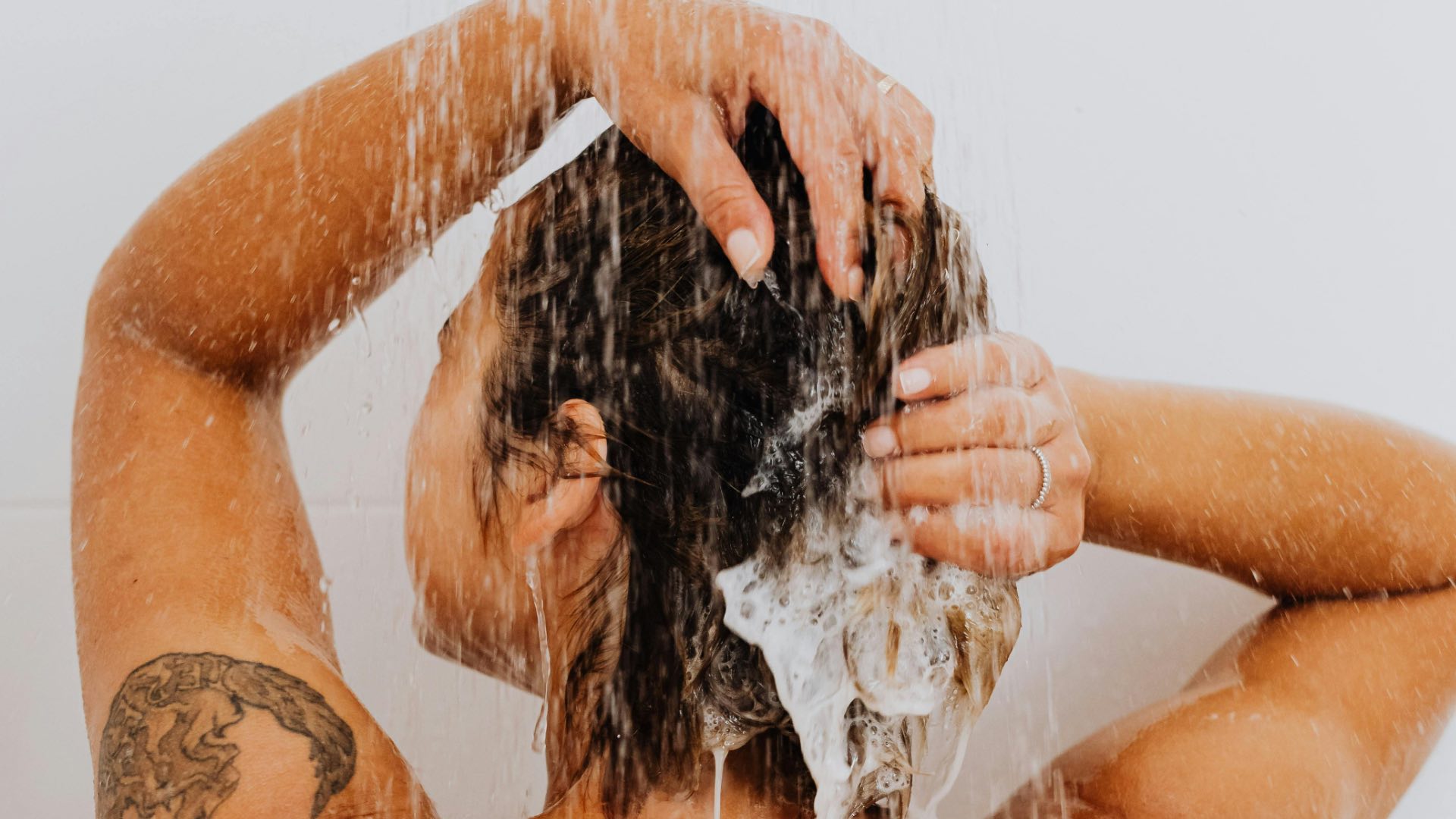
Many people suffer from oily hair shortly after shampooing, and this is often not a matter of hygiene, but rather an unsuitable hair care routine. A very common mistake during washing can actually encourage sebum production and quickly cause hair to become oily again.
Why does my hair get greasy so quickly?
Oily hair results from an overproduction of sebum by the scalp, a phenomenon that can be influenced by natural factors such as genetics, hormones, or even diet. A key element often overlooked is how you wash your hair: overly harsh shampoos or washing too frequently can disrupt the scalp's natural balance.
A common mistake when shampooing
Contrary to popular belief, washing your hair every day or vigorously scrubbing your scalp won't solve the problem; it can actually worsen it. Each wash removes some of the scalp's protective hydrolipidic film, which, to compensate, may produce even more sebum, creating a vicious cycle where hair becomes oily even faster.
Similarly, using very harsh shampoos may give an immediate feeling of freshness, but in the long term it unbalances the scalp and encourages increased sebum production.
How to avoid this mistake
To combat oily hair permanently, experts recommend several simple adjustments:
- Space out washes: rather than washing your hair every day, aim for two to three times a week to allow the scalp to rebalance.
- Choosing a suitable shampoo: a gentle product, specially formulated for oily hair, helps to cleanse without drying or irritating the scalp.
- Apply the shampoo gently: massage softly with your fingertips, without rubbing too hard, and focus on the scalp rather than the lengths of your hair.
- Rinse thoroughly: a complete rinse with lukewarm or slightly cool water helps to remove product residue that could weigh down the hair.
Beyond shampoo
Other actions can also help to limit the feeling of oily hair: avoid water that is too hot which stimulates sebum production, do not apply rich treatments to the roots, and sometimes use a dry shampoo between washes to absorb excess oil without washing more.
By correcting this basic mistake in your washing routine and adopting gentler, more targeted gestures, it is often possible to reduce excessive sebum production and space out shampoos, for visibly less oily hair and a more balanced scalp.