Because the ideal frequency varies depending on hair type, physical activity level, use of styling products, and even genetics, here are different ways to maintain a healthy scalp and breakage-resistant hair. These recommendations aim to counteract excess sebum, irritation, and loss of vitality, while adapting routines to each individual.
Ideal frequency according to hair type
Dr. Heather W. Goff , a professor in the Department of Dermatology at UT Southwestern Medical Center, warns of the dangers of daily hair washing, which dries out the scalp and weakens the hair fiber by removing its natural protective sebum. For curly or coily hair, which is drier and more fragile due to its structure that retains moisture less effectively, Dr. Goff recommends washing no more than once a week, or even every two weeks, to avoid stripping the hair of its essential oils. Fine or oily hair, on the other hand, can tolerate shampooing every two to three days to prevent sebum buildup, which can contribute to dandruff or seborrheic dermatitis, a common inflammatory scalp condition. Daily washing is strongly discouraged for all hair types: it makes strands dry, brittle, and prone to split ends, comparable to the wear and tear on jeans that are washed too often.
Why do hairs get greasy so quickly?
This tendency is often hereditary, driven by androgen hormones that stimulate the sebaceous glands from puberty onwards – the same mechanism behind acne in many teenagers. If your hair becomes oily within 24 hours, Dr. Goff advises resisting the urge to shampoo immediately and using dry shampoo to absorb excess oil between washes. However, be careful: the next time you shampoo, massage your scalp thoroughly to remove any residue and prevent clogged hair follicles.
Does washing cause hair loss?
Rest assured, washing your hair doesn't worsen hair loss, says Dr. Goff: the strands that fall out during shampooing were already in the natural shedding phase (50 to 100 per day on average, according to the American Academy of Dermatology). Episodes of increased shedding, such as telogen effluvium, are more often linked to stress, hormonal fluctuations, or deficiencies, and not to washing itself. Hard water, however, can exacerbate dryness and breakage, mimicking excessive shedding.
Professional tips for optimal washing
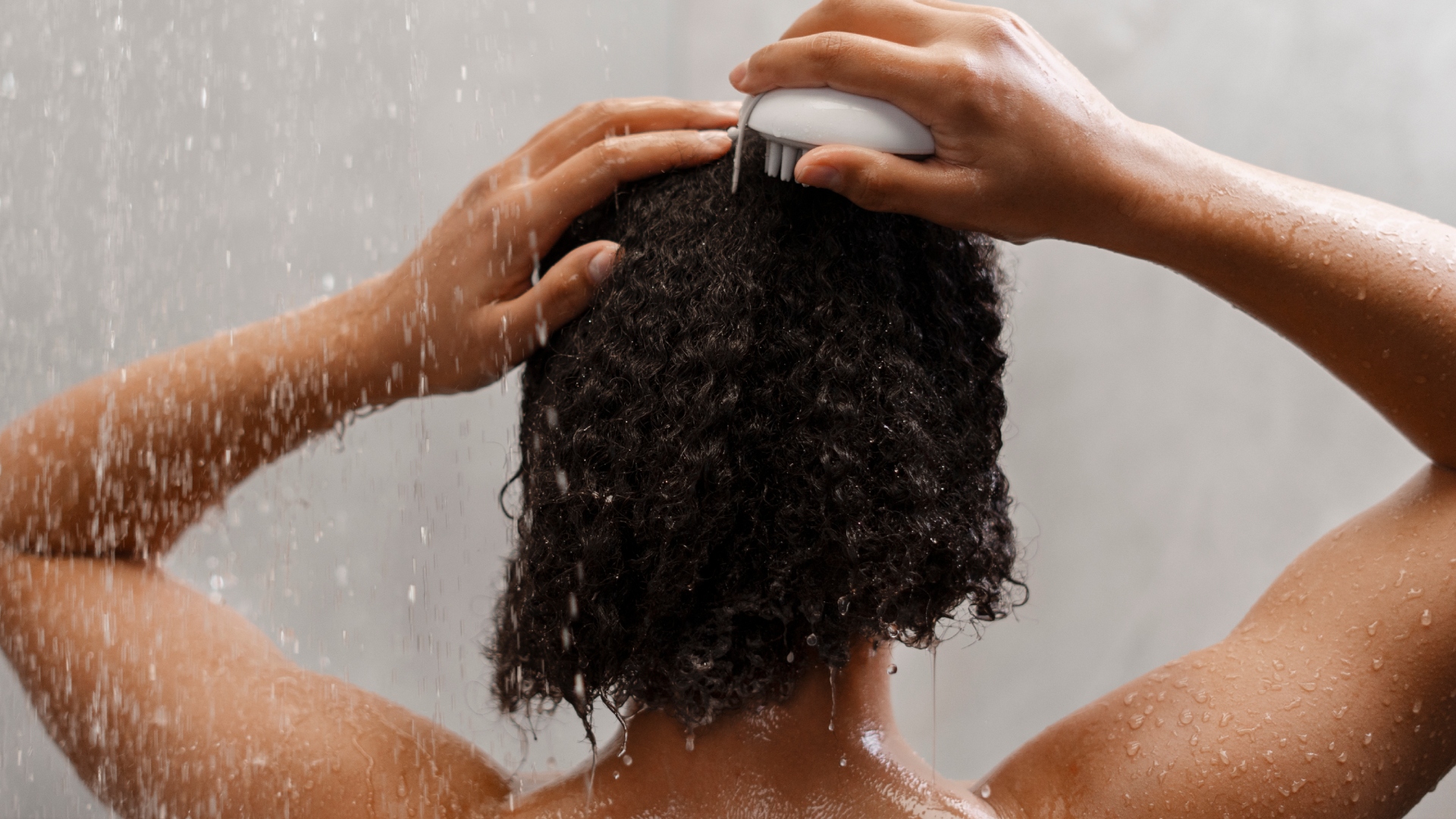
Dr. Goff offers specific advice to maximize the benefits: apply shampoo exclusively to the roots and scalp, where sebum, sweat, and product buildup accumulate, avoiding the lengths, which dry out quickly. Reserve conditioner for the ends and mid-lengths to nourish them without weighing down the roots. For damaged hair, occasionally incorporate a deep hydrating mask, leaving it on for 10 to 20 minutes under a warm towel. Finally, alternate warm water with a final cold rinse to close the cuticles and boost shine.
If persistent irritation—itching, redness, flaking, or inflammation—occurs despite these routines, suspect contact dermatitis (an allergy to a cosmetic ingredient) or a condition like scalp psoriasis. Dr. Goff emphasizes that a dermatologist can diagnose and prescribe targeted treatments, such as medicated ketoconazole shampoos or corticosteroid creams. Adjusting your washing frequency is a good first step, but a professional evaluation helps prevent long-term complications.