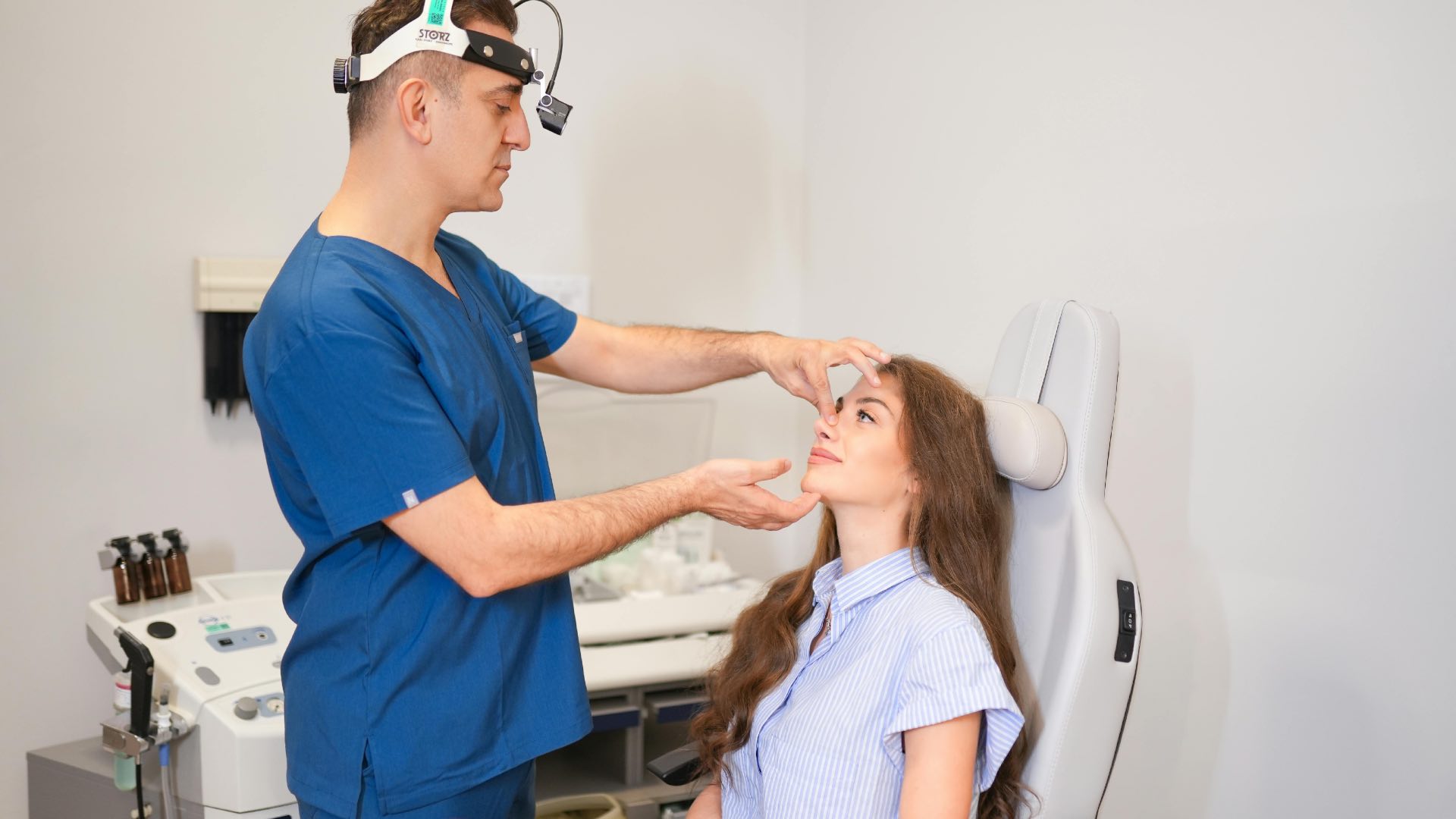
Widely shared on social media, the term "zombie filler" is as intriguing as it is worrying. Some content claims that it is a "technique using cadaver fat to alter facial appearance."
A rumor amplified by social media
The term "zombie filler" is primarily used online (Instagram, TikTok) to generate buzz or create a sensation. Several viral posts associate this term with the idea of products made from post-mortem human tissue. However, these claims are not based on any recognized medical evidence.
Professional organizations in plastic surgery and dermatology do not mention any standard techniques using cadaver fat in cosmetic procedures. Specialists emphasize that "medical practices are strictly regulated by standards of safety, ethics, and traceability of the products used." The viral nature of certain content can contribute to the spread of inaccurate or decontextualized information, which explains the importance of relying on reliable scientific sources.
What substances are actually used in cosmetic medicine?
The "fillers" used today are mainly based on known and studied substances, such as hyaluronic acid, which is naturally present in the body, or autologous fat, that is, fat taken from the patient's own body in certain specific procedures.
These techniques have been used for several years within a regulated medical framework. Health authorities impose strict protocols to guarantee patient safety and the quality of the products used. No recognized scientific organization mentions the use of tissue from deceased individuals for routine cosmetic purposes.
@le_progres_ In the United States, a surprising new cosmetic surgery method is emerging. It involves injecting fat harvested directly from deceased individuals. While this type of fat transfer is already used in reconstructive surgery, particularly for burn victims, this is a first in the purely cosmetic field. In France, this practice is prohibited. #ebrainfo #surgery #cosmetics #usa #stayinformedontiktok ♬ Original sound - Le Progrès
Why does this term provoke so much reaction?
The popularity of the term "zombie filler" is partly due to its shocking nature, which facilitates its spread on social media platforms. Some content uses deliberately anxiety-inducing vocabulary to attract attention, without necessarily reflecting medical reality.
This phenomenon highlights a broader issue: the difficulty for the public to distinguish reliable information from sensationalist content in a digital environment where virality often takes precedence over scientific rigor. Experts recommend verifying sources and consulting qualified professionals before drawing conclusions about medical practices.
The term "zombie filler" illustrates how certain viral expressions can generate concern without being based on established scientific evidence. To date, no reliable data confirms the existence of a cosmetic technique using cadaver fat. This situation underscores the importance of prioritizing recognized medical sources of information to better understand actual practices and avoid the spread of misleading information.