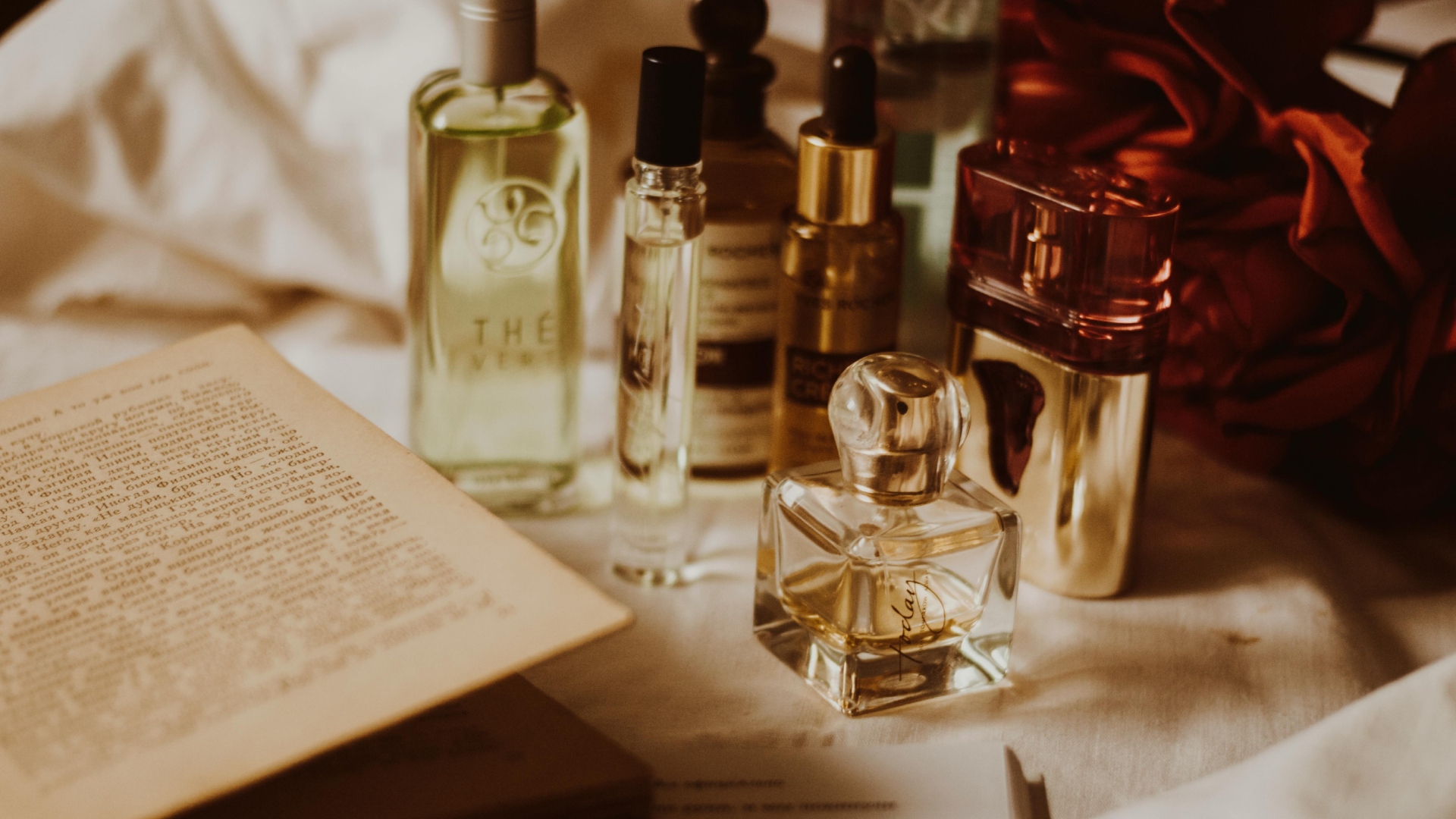
Between social media and vintage culture, iconic perfumes from the 90s and 2000s are experiencing a spectacular resurgence in popularity among younger generations. Fragrances long associated with the beginnings of "mainstream" perfumery are now back at the heart of beauty trends. Historic brands like Calvin Klein and iconic perfumes like Thierry Mugler Angel and Lolita Lempicka are regularly brought back into the spotlight in viral content.
Bottles that have become objects of generational desire
What's appealing today isn't just the fragrance, but also the visual identity of these perfumes: instantly recognizable bottles, distinctive aesthetic codes, and storytelling deeply rooted in their time. Brands like Cacharel Anaïs Anaïs and CK One embody this minimalist or romantic aesthetic that's making a strong comeback in current trends.
TikTok and Instagram as nostalgia accelerators
The resurgence of these fragrances is largely amplified by social media, where nostalgic content is booming. On TikTok, "perfumes of the 2000s" rack up millions of views, often associated with teenage memories or a deliberately retro aesthetic. This trend is part of a broader movement already observed in fashion and music, where references to the 90s and 2000s are constantly being reinterpreted.
@nadeenghazal not from the 2000s but it feels like it🥹 @'Ôrəbella nightcap #BeautyTok #PerfumeTok #tuscanaesthetic #2000saesthetic #scentcombo ♬ Resonance midwest emo version slowed - frutiger00s
Perfume as an object of identity
For Generation Z, perfume is no longer just a fixed olfactory signature, but an element of personal expression. Returning to familiar fragrances allows them to reconnect with a perceived simpler era, but also to assert their aesthetic identity. This "back to the classics" trend transforms vintage products into true cultural artifacts.
The return of iconic perfumes from the 90s and 2000s illustrates a broader phenomenon of generational nostalgia. Between social media, retro aesthetics, and a desire for authenticity, these fragrances are no longer just beauty products: they are becoming cultural markers that transcend generations.