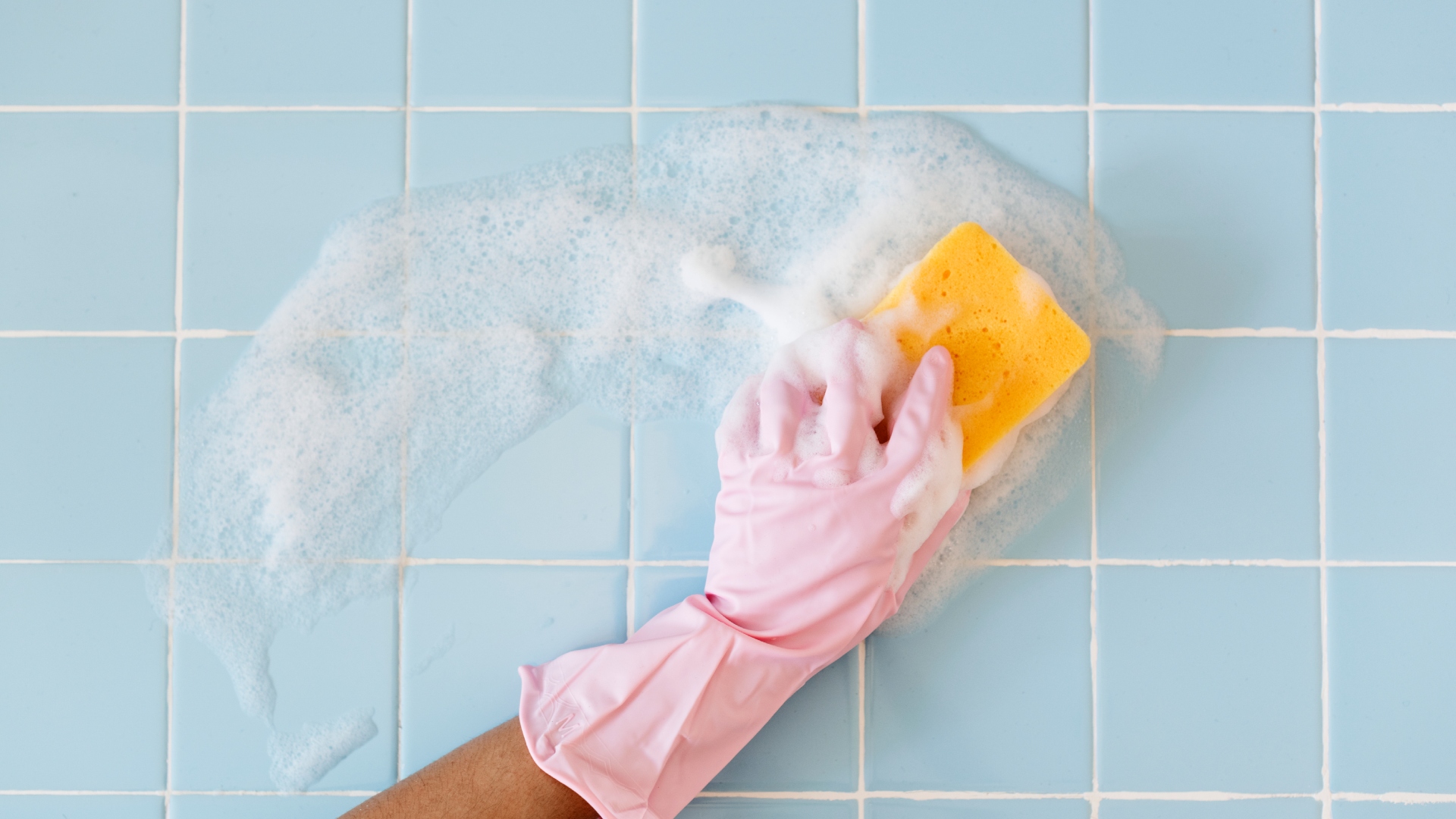
You've cleaned, scrubbed, and rinsed everything… and yet, an unpleasant odor lingers in your bathroom. Frustrating, isn't it? The reason is often simple: some invisible causes escape regular cleaning and continue to fuel bad smells.
Dry siphons, a frequent culprit
Hidden beneath your sink, shower, or bathtub is a key component: the siphon. Its role is to retain a small amount of water, forming a natural barrier against sewer odors.
However, when this water evaporates—especially if a tap is rarely used—this protective effect disappears. As a result, gases rise freely, leaving a lingering odor, even in a perfectly clean room. A simple step can suffice: run hot water for a few minutes each week. You can also add a little white vinegar to enhance the effect.
Clean pipes… on the surface only
Even if your surfaces are shiny, the inside of your pipes sometimes tells a different story. Hair, soap scum, and limescale accumulate there over time. This mixture forms what is known as a biofilm , an ideal environment for bacteria. By breaking down these materials, they produce gases responsible for unpleasant, sometimes persistent, odors.
Conventional cleaning methods don't reach these deep areas. To address the problem at its source, monthly maintenance with baking soda and warm vinegar can help limit these deposits. In some cases, mechanical cleaning may be necessary.
Humidity, a breeding ground for mold.
The bathroom is, by nature, a humid space. And where there's humidity, there are ideal conditions for mold growth. Mold can thrive in tile grout, shower corners, curtains, or even under bath mats. Even after cleaning, it can quickly return if the humidity persists.
These microorganisms release compounds responsible for odors that are sometimes subtle but persistent. Ventilating the room for about thirty minutes after each shower can make a real difference. Regularly cleaning the grout also helps limit their development.
Ventilation is sometimes insufficient.
If the air doesn't circulate properly, humidity remains trapped in the room. A faulty ventilation system or a clogged mechanical ventilation system prevents the evacuation of air laden with steam… and odors. Combined with the heat from a shower, the environment becomes even more conducive to the proliferation of bacteria and mold. Ensuring proper air renewal is therefore essential. Cleaning the ventilation grilles or checking that your system is working correctly can improve the situation in the long term.
Textiles and small oversights that matter
We don't always think about it, but certain everyday items can also contribute to unpleasant odors. Damp towels, bath mats, and even bathroom trash cans retain moisture and encourage the growth of bacteria. These bacteria, in turn, produce unpleasant smells. Adopting a few simple habits can help: regularly wash textiles at a high temperature, dry them thoroughly, and empty the trash can frequently.
If your bathroom smells bad despite your best efforts, it's not necessarily a matter of cleanliness. It's often a sign that the problem lies elsewhere. By targeting the sources—drains, pipes, humidity, or ventilation—you can take more effective action and restore a pleasant space. Because ultimately, a healthy bathroom is also about finding the right balance between hygiene, fresh air, and small, regular maintenance tasks.