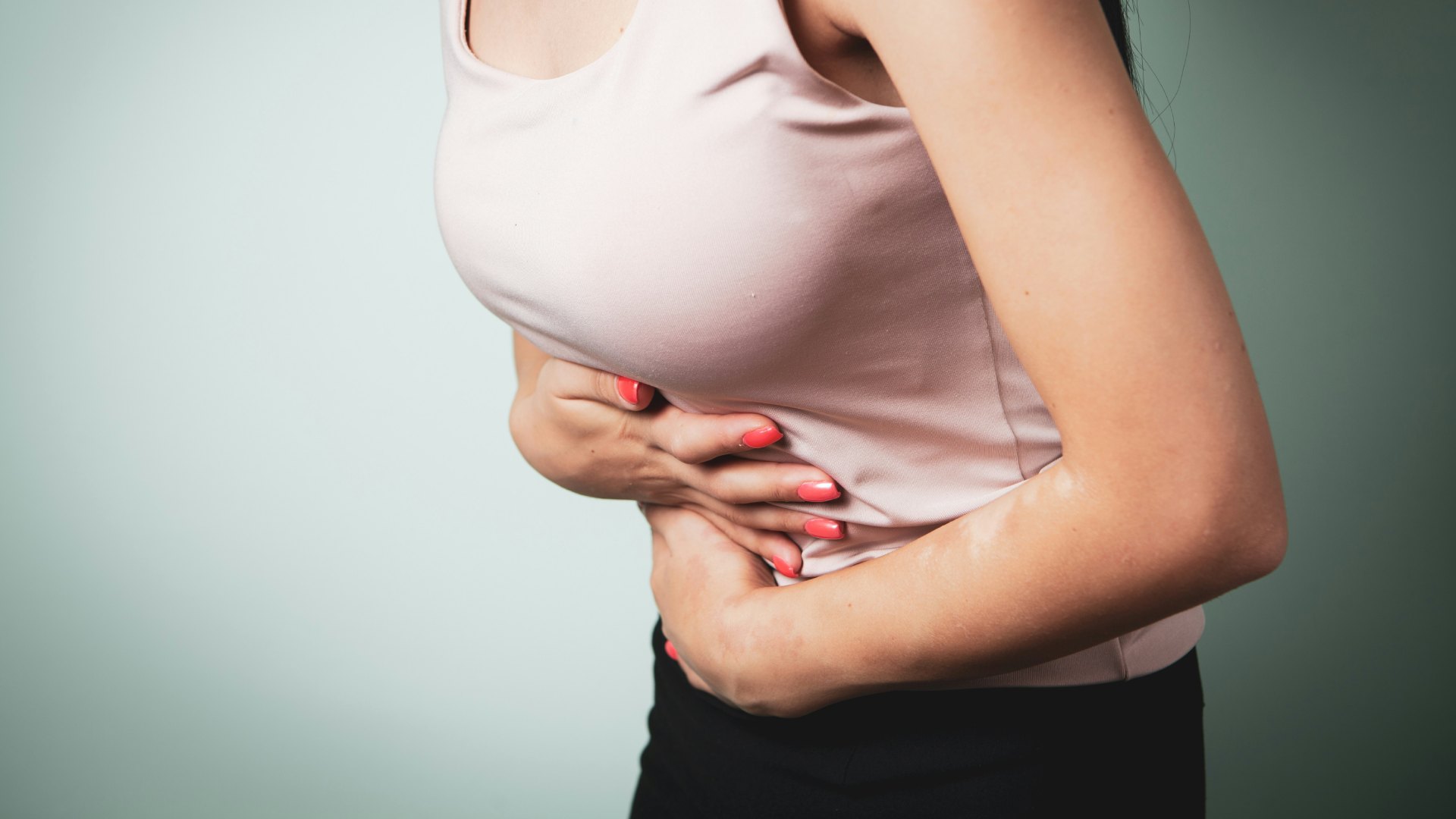
Rare but potentially serious, menstrual toxic shock syndrome remains poorly understood. Knowing the right steps to take and recognizing the symptoms can make all the difference. Without giving in to anxiety, it's best to be well-informed to experience your period with confidence and peace of mind.
A rare syndrome, but one to be taken seriously.
Each year in France, around twenty cases are reported in connection with the use of internal menstrual products. Menstrual toxic shock syndrome (MSS) therefore remains rare, but this low frequency does not mean the subject should be ignored. The goal is certainly not to abandon tampons or menstrual cups, which can be perfectly suitable for many people. It is primarily about better understanding the precautions to take and the signals the body may send.
What is actually happening in the body?
The syndrome is caused by a bacterium: Staphylococcus aureus. Between 20 and 30% of women are thought to carry this bacterium without necessarily knowing it, and above all, without it causing any problems in their daily lives.
The risk arises in certain circumstances, particularly when menstrual blood remains retained for a long time by internal menstrual protection. This environment can then promote the growth of certain bacteria and the production of a toxin called TSST-1.
In rare cases, this toxin can cross the mucous membrane and spread throughout the body. It can then trigger a systemic reaction and lead to serious complications. This is precisely why it's important to know the preventative measures, without necessarily experiencing menstruation in fear.
Habits that can increase the risk
Certain situations are more closely associated with menstrual toxic shock syndrome.
- Among them, leaving a tampon in for too long is one of the main risk factors. It is recommended not to exceed the wearing time indicated for your menstrual product. Prolonged wear, especially for several consecutive hours or overnight, can create conditions conducive to bacterial growth.
- Another essential step: take a few minutes to read the recommendations on the packaging. It may seem obvious, but each menstrual product has its own specific instructions for use.
- Finally, choosing an absorbency level suited to your flow is preferable to systematically using a highly absorbent model "just in case." Your body doesn't need overprotection: the idea is simply to find the option that truly meets your needs and comfort.
Symptoms that should alert you
Toxic shock syndrome can appear suddenly, during or shortly after menstruation. Several symptoms may be present and should prompt immediate action. Possible signs include:
- a high fever that comes on suddenly;
- a diffuse skin rash, sometimes comparable to a sunburn;
- vomiting or diarrhea;
- significant muscle pain;
- a feeling of discomfort, dizziness or a feeling of weakness linked in particular to a drop in blood pressure.
Faced with these types of symptoms, especially if you wear or have just worn internal menstrual protection, it is important not to wait.
What should you do if you are in doubt?
- If several of these symptoms appear, immediately remove your tampon or menstrual cup and consult a healthcare professional or emergency services promptly.
- Also, be sure to mention if you use or have recently used internal menstrual protection. This information can help healthcare professionals identify a possible cause more quickly.
- Early intervention is essential. As is often the case with health, listening to your body and not minimizing unusual discomfort can allow you to act at the right time.
Simple steps to reduce the risks
Prevention relies primarily on a few habits that are easy to integrate into your routine.
- Follow the recommended wearing times and avoid keeping internal menstrual protection in for too long. Alternating with external protection can also be a good option, especially at night.
- Wash your hands before inserting or removing your menstrual protection. Also, choose an absorbency level that suits your flow rather than the strongest model available.
- In case of irritation or discomfort, temporarily using external menstrual protection may also be preferable. The key is to find the solutions you feel comfortable with: every body, every flow, and every cycle is unique.
Why young women also need to be well-informed
Reported cases frequently involve adolescent girls and young women. One explanation offered is that some individuals may not yet have developed antibodies against the toxin involved. Hence the importance of clear information from the onset of menstruation. Understanding the different types of menstrual products, how to use them, and the precautions to take allows women to become more independent without having to learn this information in a rush.
Talking about periods, menstrual health , and how the body works should never be taboo. On the contrary, good information allows you to make informed choices and experience your cycle with greater confidence.
In short, remembering the recommended wearing times, adopting a few simple hygiene practices, and knowing how to recognize warning signs: that's the key. Because knowing your body better isn't about worrying more, it's about giving yourself the tools to take care of it with confidence and kindness.