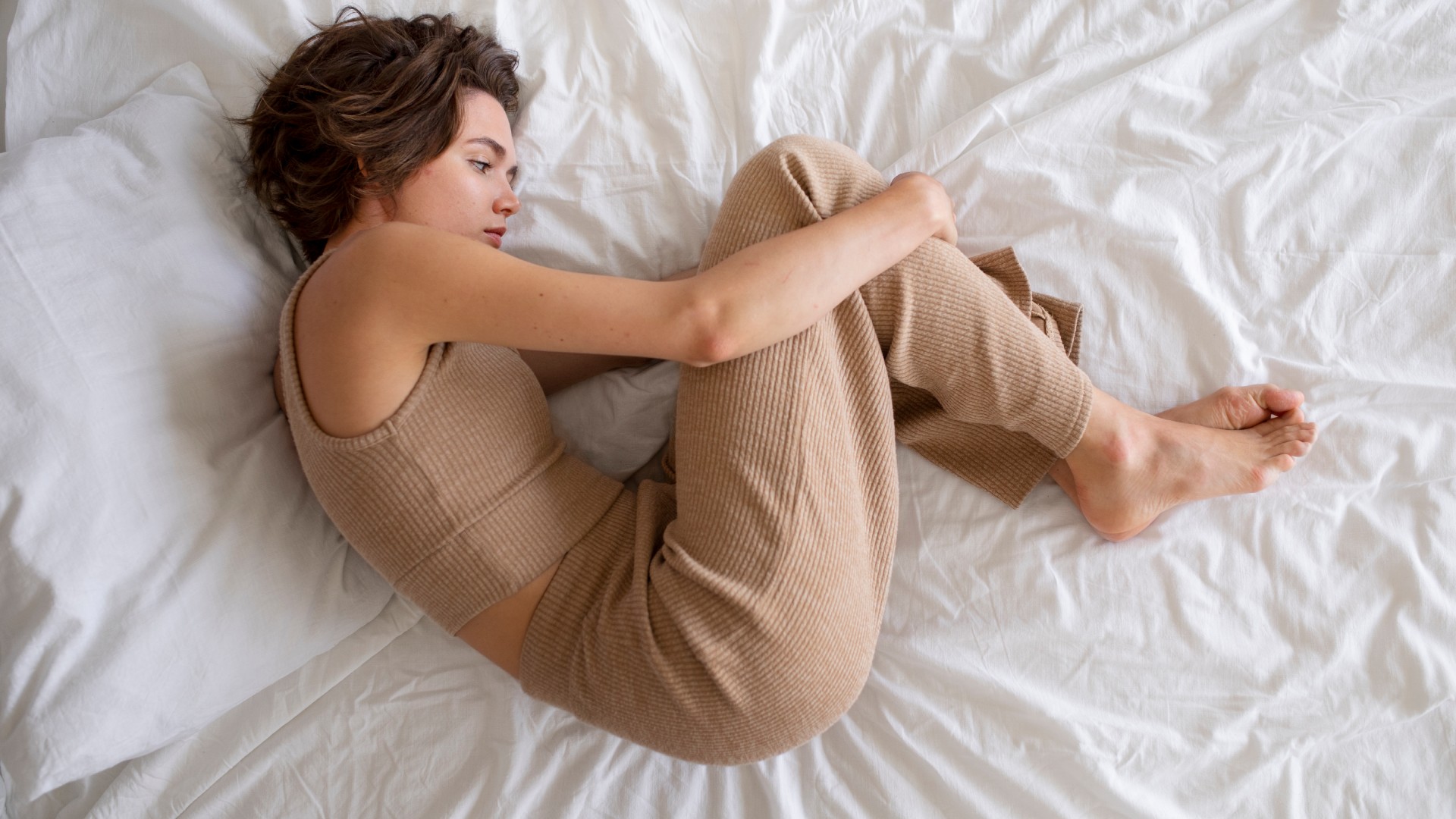
We're sleeping peacefully when suddenly our bladder jolts us awake. We then regret our "evening ritual" herbal tea and fume from bed to the toilet, but we don't necessarily give it much thought. Yet, getting up twice a night to urinate can sometimes indicate a health problem, and that's not even mentioning the health issues of old age.
Peeing twice a night: the strange link with breathing
We're snug in the arms of Morpheus when suddenly our bladder interrupts our dreams. We long for the days of diapers, which spared us the constant trips to the toilet. This situation is terribly annoying and quite common. Often, we blame it on the bowl of soup or the chamomile tea, of which only the mug remains on the bedside table . Yet, urinating more than twice a night isn't simply the result of excessive hydration or a sign of old age. It's sometimes a silent cry from the body.
Nocturia, the need to get up several times a night to urinate, seems to be a common problem among seniors. People often assume prostate problems or incontinence, without necessarily being alarmed. However, it sometimes stems from less obvious conditions unrelated to this area of the body, such as diabetes, heart failure, or hypertension. Regularly urinating twice a night can, in some cases, indicate a sleep-disordered breathing pattern called OSAHS. In scientific terms, this acronym, which is unfamiliar to the general public, stands for obstructive sleep apnea-hypopnea syndrome.
Sleep apnea syndrome causes repeated pauses in breathing during the night, creating a kind of "stress" on the heart and lungs. As a result, the heart secretes more ANP, a hormone that prompts the kidneys to produce more urine. At the same time, disrupted sleep can reduce the secretion of another hormone, ADH, which normally helps retain water during the night. "This creates significant negative pressure in the rib cage, which stretches your heart muscle and leads to multiple biological failures," explains Dr. Marc Sapène, a pulmonologist and sleep disorder specialist, to Cosmopolitan .
Urinating several times during the night: when should you be worried?
It's important not to generalize or immediately assume the worst. Self-diagnosis is never a good idea. If nocturia is occasional and only occurs after an evening of heavy drinking or extra-large herbal teas, that's rather reassuring. However, if it's not a sign of a respiratory condition, it could be a sign of a urinary tract infection . And in principle, this is recognizable by the first urination, which is painful enough to make you cry out. People with an overactive bladder, which functions in the opposite way to normal, also experience these debilitating trips to the toilet.
Nocturia, unlike the "psychological" urges that give the impression of "having to urinate," forces sufferers to rush to the toilet, risking wetting the bed. It is common, even with low fluid intake. A doctor should be consulted if nocturia is accompanied by other worrying symptoms: pain or burning during urination, blood in the urine, excessive fatigue, leg swelling, or intense thirst.
Is it possible to reverse the scenario to regain comfort?
Sometimes, simply changing your lifestyle is enough to free yourself from the urge to urinate. Eating less salt, limiting your fluid intake after a certain time, choosing starchy foods in the evening (which are known for their absorbent properties), and slightly elevating your legs are all easy adjustments to make so you don't have to leave the bed from bed to morning.
Obviously, in cases of chronic nocturia, it is important to understand the origins and treat the underlying causes. If it is a respiratory disorder, the doctor will perform further tests and prescribe a specific device or a mandibular advancement device.
Leaving the comfort of home to go to the toilet is only tempting in Disney movies. Urinating several times during the night is an unpleasant experience, but sometimes a revealing one. It's better to go to the doctor for nothing than to wait for the problem to worsen.