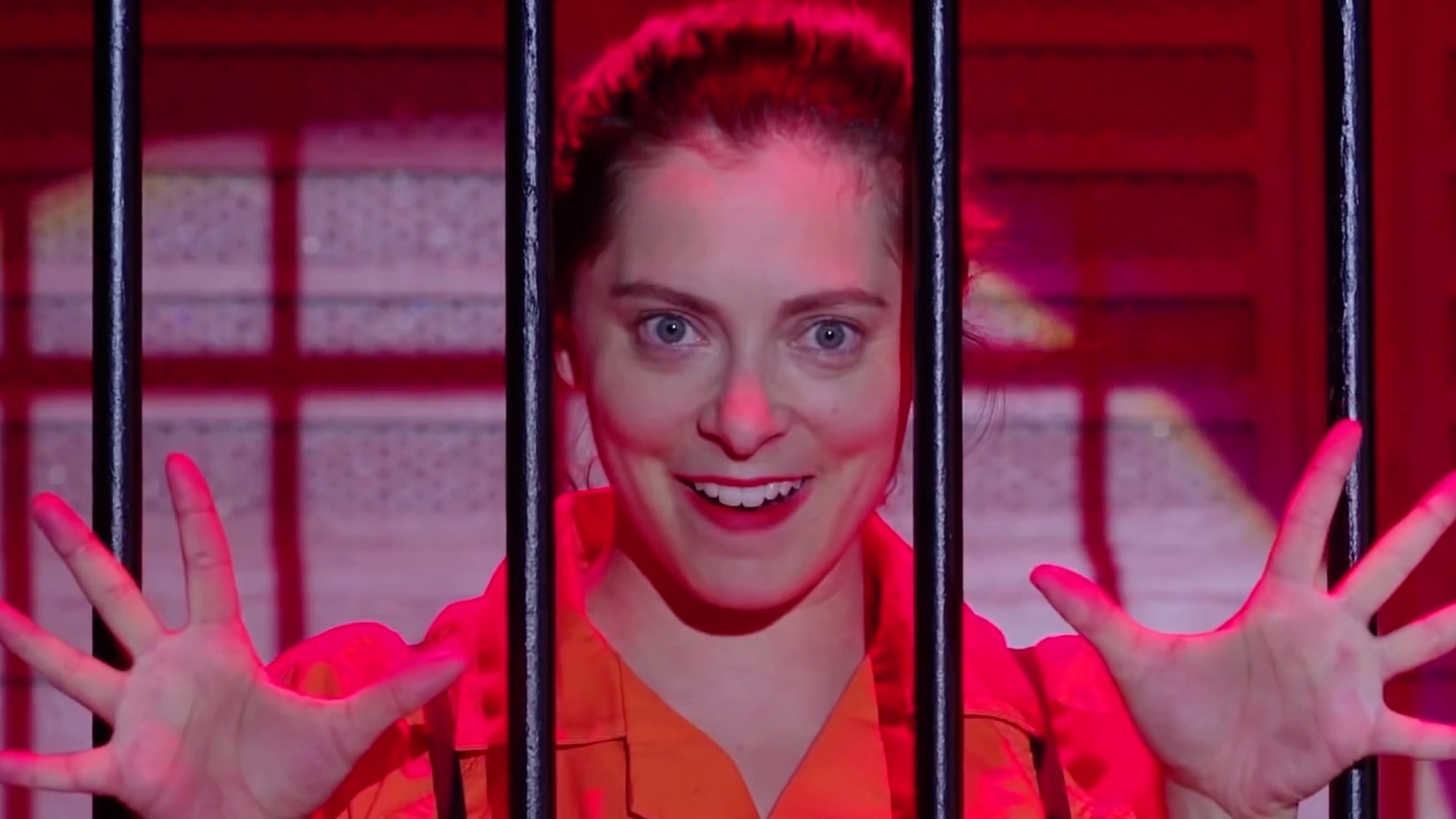
If your partner has already used the adjective "crazy" to describe his exes and enjoys portraying them as "psychological cases," the problem might not lie with them. Labeling exes as uncontrollable neurotics or hysterics who belong in an asylum is a bad habit among men. According to some men's post-breakup narratives, women always come off worse and deserve to be put in a straitjacket. Behind this tearful plea lies a misogynistic discourse.
A red flag that often goes unnoticed
Talking about exes is almost inevitable when starting a new relationship. Without necessarily going into detail, we outline the main points of these failed romances. This conversation isn't always pleasant, and generally, we try to be brief. Yet, some men paint a detailed psychological portrait of their exes, and the picture is sometimes quite bleak. To hear them tell it, they practically lived through years of misery with someone who felt like the devil incarnate.
They adopt the victim mentality and arrive at the final conclusion, “all my exes were crazy,” as if these men had simply been unlucky in the romantic lottery. While women can exhibit neuroses and manipulative behavior, they are a minority when it comes to using these toxic methods of emotional blackmail and belittling. According to statistics , narcissistic women represent approximately 25% of reported cases. However, if we are to believe the words of some men, these statistics are too low to be true. While in principle, we try not to over-praise our exes, there are men who reduce them to pejorative adjectives: “Excessive,” “impulsive,” “unmanageable,” “unpredictable”... It's practically a matter for psychiatry. And as an attentive listener, conditioned by female rivalry, we quickly find ourselves siding with the narrator of the story.
However, on social media, women are unanimous: when a man says “all my exes are crazy,” it’s a red flag. But many of us fall into the trap and end up cursing this ex vicariously. “In therapy, we talk about ‘externalization’: the entire problem is placed on the other person, without any personal self-reflection,” explains Laurane Wattecamps, a sexologist and couples therapist with Gael .
The modern version of the myth of the “hysterical woman”
The now commonplace expression “my exes are crazy” is rife with sexist undertones. Since time immemorial, whenever women are too loud, have a strong personality, or express their discontent, they are attributed serious psychological problems, as if to discredit their words. In the past, this was a well-established medical-political tactic.
From the Suffragettes to Virginia Woolf, many women have been labeled hysterical and subjected to harsh diagnoses of mental disorders for rebelling. "It was a catch-all concept that was used for a long time to disqualify women deemed too expressive, too independent, or unconventional. At the time, it was a way to silence them and keep them under a certain degree of social control," the specialist explains.
By saying “my exes are crazy,” men perpetuate the idea of the “psychologically unstable woman” and grant themselves a sense of superiority. Women, raised to be demure and avoid making waves, are judged “excessive” or accused of “dramatizing” as soon as they express anger or raise their voice. This gender norm works against them in post-breakup conversations, and what seems normal for a man suddenly appears disproportionate on a woman’s scale.
An easy excuse to preserve one's image
By portraying their exes as crazy, men plead not guilty and absolve themselves of any potential wrongdoing in these past relationships. By accusing their former partners of infidelity and presenting them as excellent Freudian subjects, they maintain their aura of superiority. Ultimately, by altering the narrative and greatly exaggerating reality, they absolve themselves of all responsibility. "In any situation, there are always two sides to every story. Being so categorical in saying that the other person is 'crazy' is often a refusal to question oneself," the expert insists.
According to her, these false accusations, beyond portraying women as something they are not, reflect a serious lack of emotional intelligence. This already foreshadows endless conflicts, pointless arguments, and an inability to admit wrongdoing. It's the same kind of vicious partner who says things like, "You're overreacting," "You're making a mountain out of a molehill," "You're too emotional," and who's quick to tell people to "calm down."
The phrase “my ex is crazy” also suggests that the person is still deeply hurt by the breakup and hasn't moved on. It's misplaced resentment, the lingering effects of inner turmoil. “When the emotional intensity is still so high that you practically insult your ex-partner, it says something about a relationship that isn't completely over yet,” concludes Laurane Wattecamps.
If your crush utters that fateful phrase and compares their exes to Freudian subjects, it doesn't bode well for the future. The demons of their story are most likely buried deep within them.