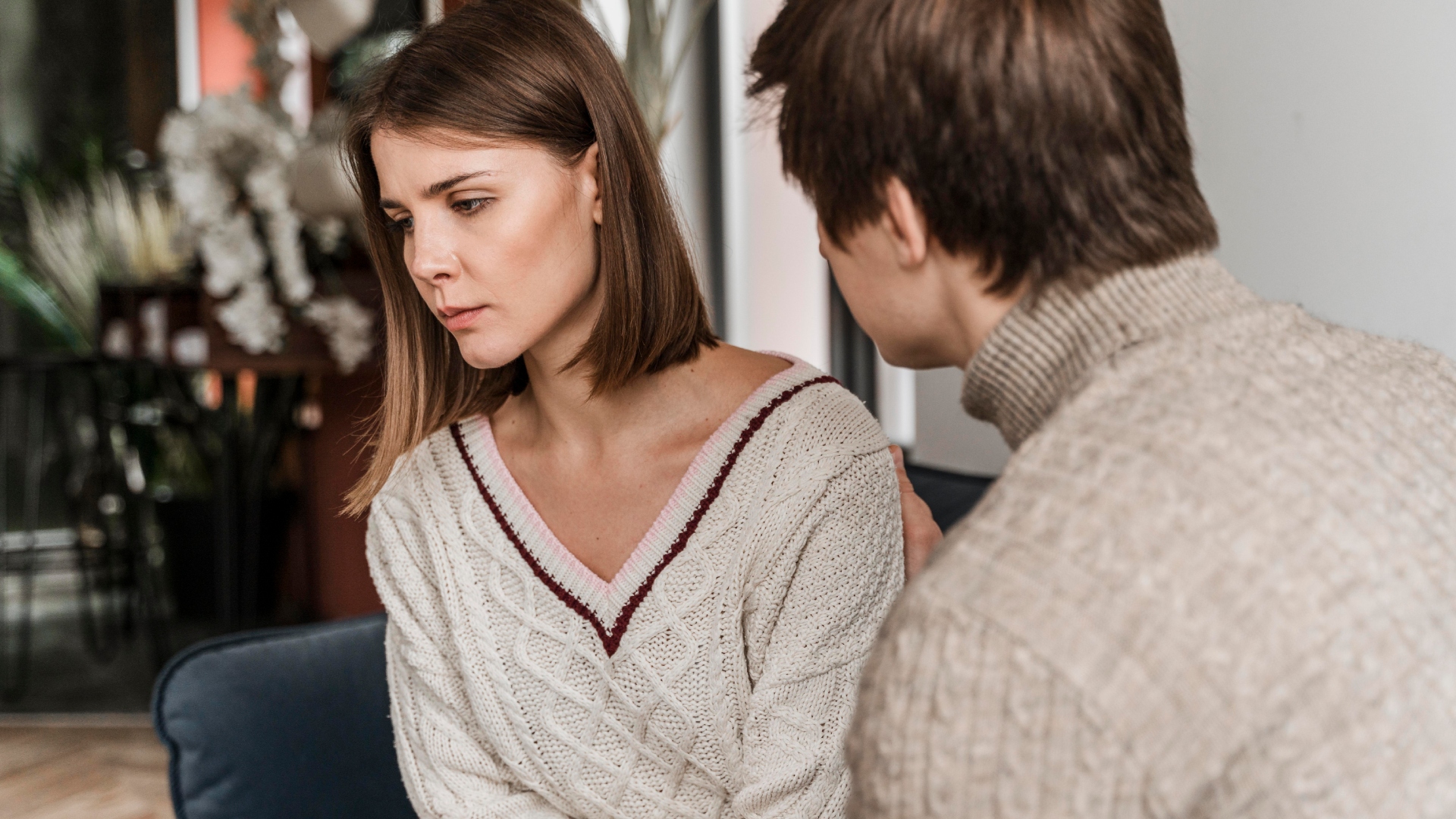
More and more heterosexual women are choosing to remain single, tired of the difficulties and imbalances they encounter in relationships with men. This choice is part of a broader trend, called "heteropessimism," which is growing in several countries.
A wave of global celibacy
Since 2010, the proportion of people living alone has increased in 26 out of 30 wealthy countries, with 100 million more single people than in 2017. The Economist (2025) and testimonies from women in Italy highlight this choice among young women, who describe themselves as "single, free, and happy." This change is partly explained by societal evolution. In many Western countries, women are now better educated, more financially independent, and no longer need a partner to support them. In the past, some stayed in relationships out of economic necessity. Today, they can choose: to remain single rather than endure an unsatisfying or unbalanced relationship.
Heteropessimism and its roots
The concept of "heteropessimism," coined in 2019 by Asa Seresin, describes heterosexual discourse surrounding dysfunctional relationships. La Stampa, one of Italy's most widely circulated newspapers, laments a "house in flames" due to male behavior, while The Washington Post notes that heterosexual men struggle with education, employment, and emotional maturity. Faced with this, some women are beginning to question the very idea that being in a relationship with a man is an end in itself. In a world where traditional roles—the breadwinner, the dependent woman—are collapsing, the traditional heterosexual model is losing its appeal.
The 4B movement in South Korea
In South Korea, the 4B feminist movement embodies this revolt even more strongly: women reject marriage (biyeonhal), motherhood (chaesaeng), heterosexual intimacy (seksa), and romantic relationships (yeonae). Faced with an extreme patriarchal culture, a record low birth rate, and persistent sexism, thousands of South Korean women are opting for radical autonomy, inspiring a global debate on emancipation.
Towards new models?
Some sociologists suggest a complete rethinking of how we view romantic relationships, proposing, for example, more flexible forms such as temporary marriages or polyamory. Other analyses highlight a new generation of women who choose to live their desires with clarity, without being trapped by romantic ideals that have become oppressive. This growing unease with traditional models is thus leading to the development of freer, more equitable relationship models that are better suited to current aspirations.
Ultimately, far from rejecting love, this wave of female celibacy reflects a desire to redefine the terms of intimacy on healthier and more egalitarian foundations. What some call "heteropessimism" is also, for many, a newfound clarity in the face of outdated relationship patterns. All over the world, women are choosing to refocus on themselves, to refuse painful compromises, and to claim a space for emotional freedom. This movement does not signal the end of love, but perhaps the end of a certain kind of forced love—and the beginning of a connection where respect, consent, and reciprocity are no longer exceptions, but fundamental principles.