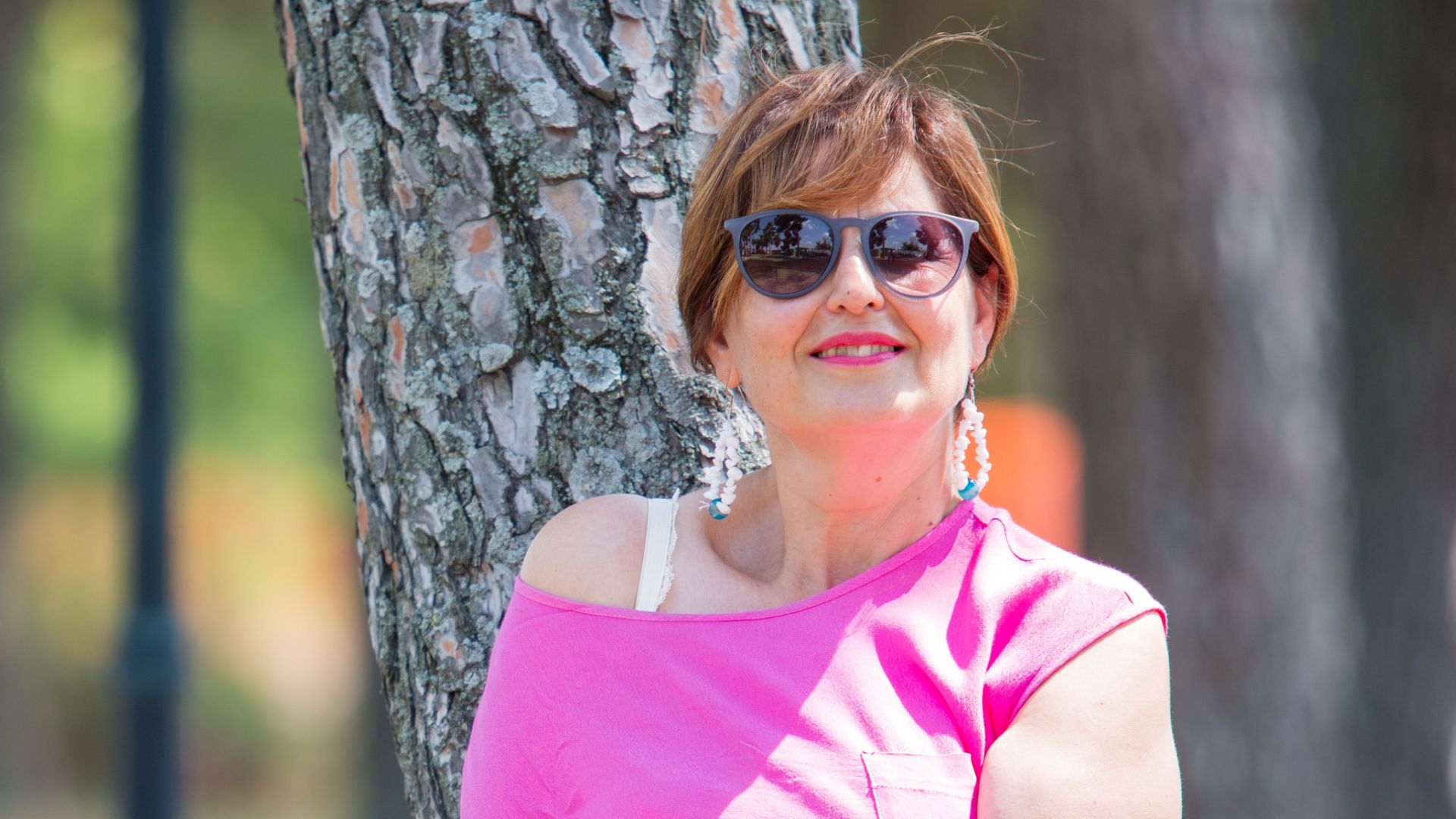
Wrinkles, gray hair, clothing style, cosmetic surgery… from the age of 45, women's bodies seem to become a constant topic of discussion. Yet, aging is a natural process that affects everyone. So why do women continue to be scrutinized, judged, and commented on so much?
These standards, unfortunately, are not new.
The way women are viewed as they age is far from new. As early as 1972, the American essayist Susan Sontag theorized the "double standard of aging": the idea that society judges women much more harshly as they age than men. Men are often valued as they get older, associated with "experience," "charisma," or "maturity." Women, on the other hand, are still too often judged primarily on their appearance. The result? The signs of aging are perceived as a flaw to be corrected, when they should simply be considered a normal stage of life.
The trap of contradictory injunctions
The most frustrating thing is that it seems impossible to "do it right." You let your wrinkles show? You're accused of "letting yourself go." You choose cosmetic treatments or surgery? You're accused of "trying to look younger." The same logic applies to clothing: you're supposed to dress "age-appropriate" without being judged "too classic"... or "too modern." These constant criticisms trap women in contradictory expectations, where every choice becomes an excuse to be commented on.
Invisible… but always observed
Many women say that after 45 or 50, they feel less represented in the media or less valued in certain spaces. Yet, their physical appearance continues to be analyzed in minute detail. This paradox shows how much women's appearance remains the focus of attention. As if women's bodies remain a subject of public interest, regardless of their age. But a woman's body is not up for debate. No more than anyone else's.
Mentalities are changing
Fortunately, things are gradually changing. More and more women are asserting their right to age in their own way, without having to conform to others' expectations. The conversation around menopause is opening up, the body positivity movement is increasingly addressing age-related issues, and representations are becoming more diverse. Growing older doesn't mean becoming "invisible" or "outdated." At 45, 50, 60, or older, every woman remains free to be herself, to wear what she likes, to proudly display her gray hair, to dye it, to have cosmetic surgery… or not.
Ultimately, if women's bodies after 45 still elicit so much commentary, it's because of sexist and ageist norms that continue to dictate what they should be or look like. It's time to reiterate a fundamental truth: no one should have to justify their appearance, their age, or their choices. Every woman deserves to live with her body freely, without being reduced to her physical appearance or subjected to the judgment of others. Because, in the end, the only opinion that matters is her own.