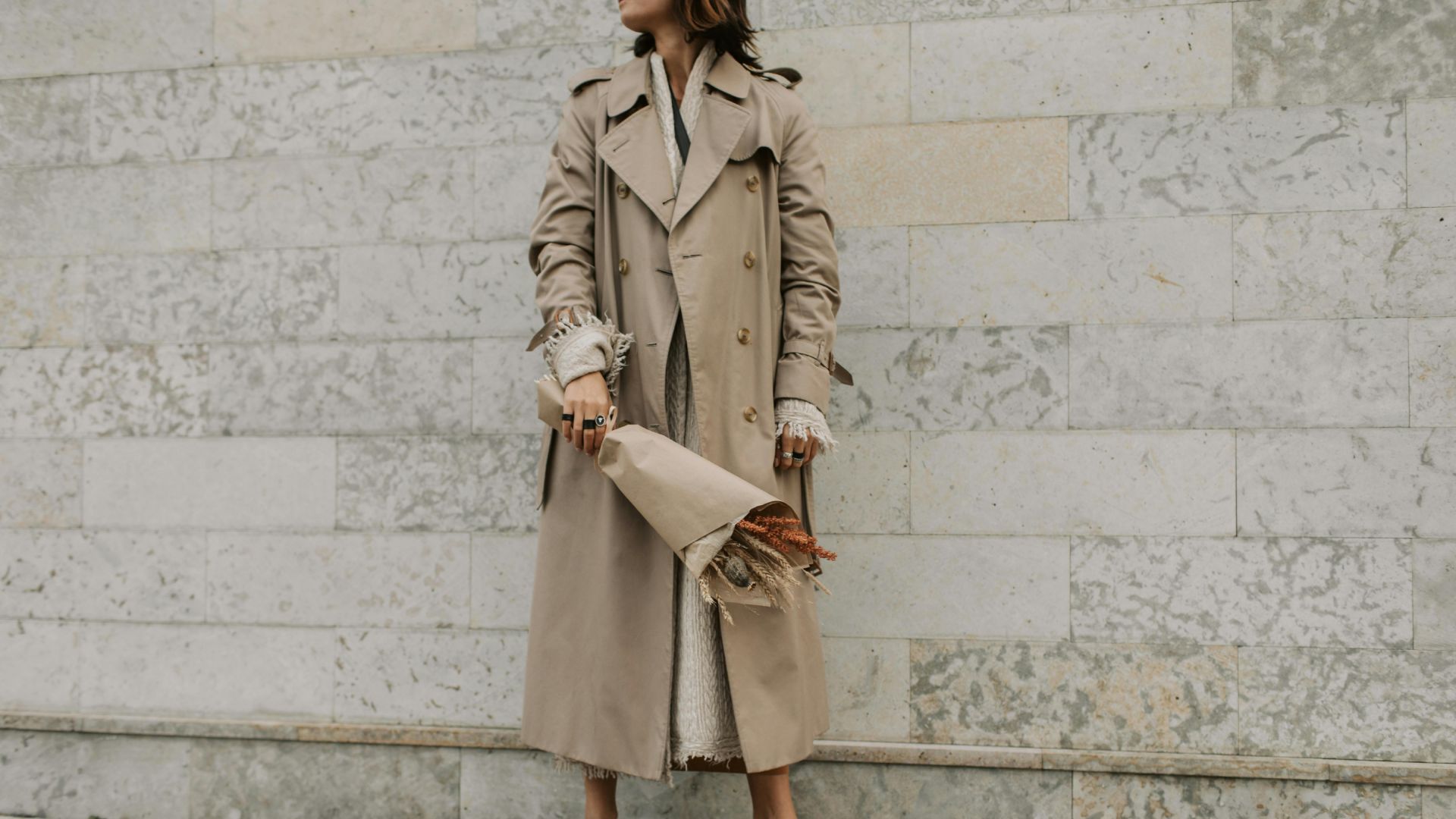
Does your wardrobe increasingly resemble a palette of sand, clouds, and night? You're not alone. Neutral colors dominate our closets today, embodying both effortless elegance and a desire for simplicity. Behind this trend also lie much deeper social mechanisms.
A neutral fashion, a mirror of a more uniform world
Beige, gray, black: these shades have become ubiquitous in shop windows, on the catwalk, and on social media. This choice is not insignificant. It reflects a globalized minimalist aesthetic that disseminates a simple and effortless silhouette on a large scale. Neutrals thus become a common visual language, a "discreet code of contemporary good taste." Because dressing in neutrals often means avoiding mistakes, striking a false note. It allows one to belong to an aesthetic community without having to assert a strong identity. A consensual, reassuring elegance—and one that is widely valued in our time.
A chosen simplicity or a silent injunction?
Neutral tones are often associated with a simpler, more sustainable, and more thoughtful lifestyle. And it's true that a wardrobe composed of understated pieces makes it easier to coordinate outfits, reduces impulse purchases, and encourages more conscious consumption. However, this neutrality can also act as an invisible injunction.
In many professional and social environments, bright colors are perceived as "too much," "unserious," or "unconventional." Wearing beige, gray, or black then becomes a way to avoid causing a stir, to remain acceptable, and to soften one's personality in order to better integrate.
A functional wardrobe… but sometimes sterile
Neutral colors are wonderful allies in everyday life: they combine easily, transcend seasons, and give an immediate impression of coherence . In an era marked by mental overload, the need for efficiency, and the pressure to "do things right," this sartorial pragmatism is reassuring. However, by constantly striving for clothes that go with everything, we can lose the pleasure of contrast, playfulness, and boldness. Fashion then becomes a management tool rather than a space for self-expression. Yet, your body also deserves colors that celebrate it, that complement your moods, your energy, and your creativity.
Social media and the cult of minimalism
Instagram, Pinterest, and TikTok are overflowing with monochrome silhouettes in beige, cream, gray, or black, often paired with minimalist and uncluttered interiors. These images shape a collective aesthetic where neutrality becomes synonymous with success, control, and sophistication. The "quiet luxury" phenomenon, popularized by certain TV series and media personalities, has reinforced this appreciation for visual discretion. Elegance no longer shouts, it whispers. And this whisper, while soothing, can sometimes drown out more vibrant voices.
Neutral, a coded luxury
Subtle colors are also laden with symbolism: black evokes timeless elegance, beige understated chic, and gray modern rationality. However, this language is socially coded. It presupposes access to well-tailored garments, quality materials, and certain cultural references. In this sense, neutrality can also render other forms of expression invisible, particularly those that use color as an assertion of identity, culture, or politics. Neutrality is never truly neutral.
What if colour once again became an act of freedom?
Faced with this homogenization, some voices are calling for a return of color as a gesture of freedom, joy, and self-affirmation. Contemporary designers are reintroducing vibrant palettes not as mere whims, but as celebrations of the diversity of bodies, cultures, and identities. And more and more people are choosing to mix neutrals with statement pieces, daring to wear a red coat, green pants, or a purple bag. Not to shock, but to reconnect with what truly inspires them.
In short, beige, gray, and black are neither mistakes nor style enemies. They are powerful foundations for a sustainable and structured wardrobe. However, when these colors become automatic, a refuge, or a silent obligation, it's healthy to question them. Dressing is a language. And like any language, it benefits from being used with awareness, freedom, and pleasure. Whether you love neutrals, bright colors, or both, the essential point remains the same: your body deserves to be dressed with respect, joy, and authenticity.