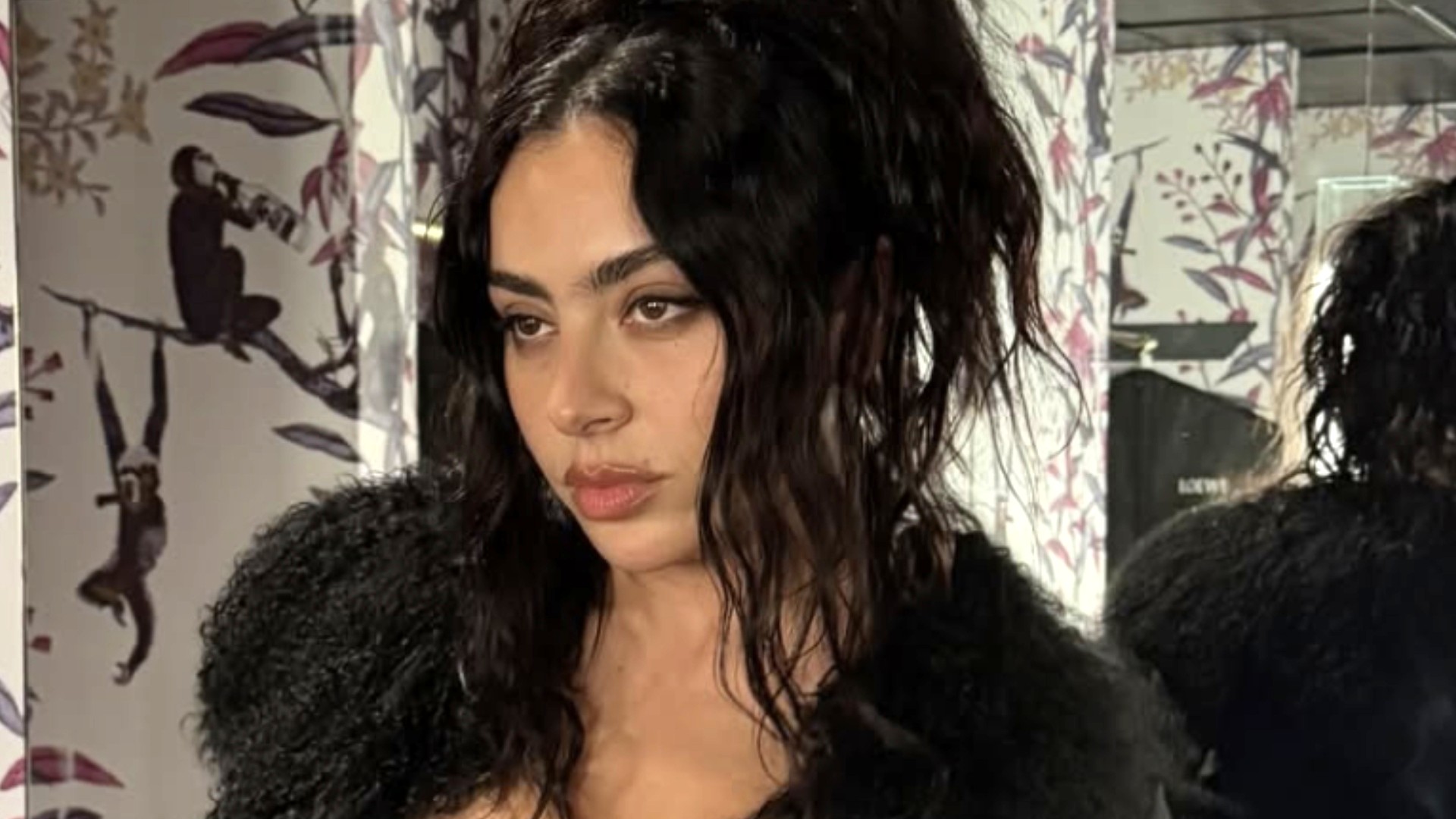
Singer Charli XCX recently found herself at the center of a controversy after a podcast exchange with American actor, director, and producer Jason Bateman, who asked her about her desire to have children and suggested she might change her mind. Despite her clear answer—Charli XCX does not want children—and the fact that she is married, the actor's remarks sparked a wave of criticism on social media, highlighting the persistent sexist pressure placed on women.
The controversial exchange on the SmartLess podcast
During a recent episode of the SmartLess podcast, hosted by American actor, director, and producer Jason Bateman, American actor and producer Sean Hayes, and Canadian-American actor Will Arnett, Charli XCX was a guest to promote her film "The Moment." Jason Bateman, a father of two, asked her directly if she would like to have one or more children, referring to his own family history. When she frankly replied , "I really don't want children," Jason Bateman pressed her, explaining that his wife had changed her mind because of him, adding, "You could find someone."
Immediate reaction from Charli XCX
Charli XCX politely corrects Jason Bateman, clarifying, "Well, I'm married," referring to her marriage to George Daniel of the band "The 1975." Jason Bateman responds with a lighthearted joke: "I should read a newspaper one of these days," before quipping about a "future husband." While the exchange remains humorous within the context of the podcast—where the hosts are meeting the guest unexpectedly—it highlights a lack of preparation and an insistence on a personal topic.
View this post on Instagram
Criticism and reactions on social media
Excerpts from the interview quickly went viral, sparking widespread outrage online. Charli XCX fans and other internet users described Jason Bateman's remarks as "disgusting" and a "very rough listening experience," denouncing societal pressure on women to have children. Comments on X (formerly Twitter) and Reddit highlighted a double standard: men are never asked such direct questions, and women are systematically pressured to "change their minds" about motherhood.
A broader debate on societal pressure
This incident reignites the discussion about gendered expectations in the entertainment industry and beyond. Charli XCX, known for her outspokenness, has often spoken about her choice not to have children, seeing the mere act of naming a hypothetical baby as the "coolest part." The inappropriate reactions serve as a reminder that famous women, even married and professionally successful, still have to justify their life choices, unlike their male counterparts.
The Charli XCX and Jason Bateman case perfectly illustrates how a seemingly innocuous issue can escalate into a major controversy when it concerns women's autonomy in matters of motherhood. The criticism leveled at Jason Bateman highlights a deep-seated unease: it's time to stop assuming that all women must conform to the traditional family model. Charli XCX, through her response, reminds us that personal choice takes precedence over societal expectations.