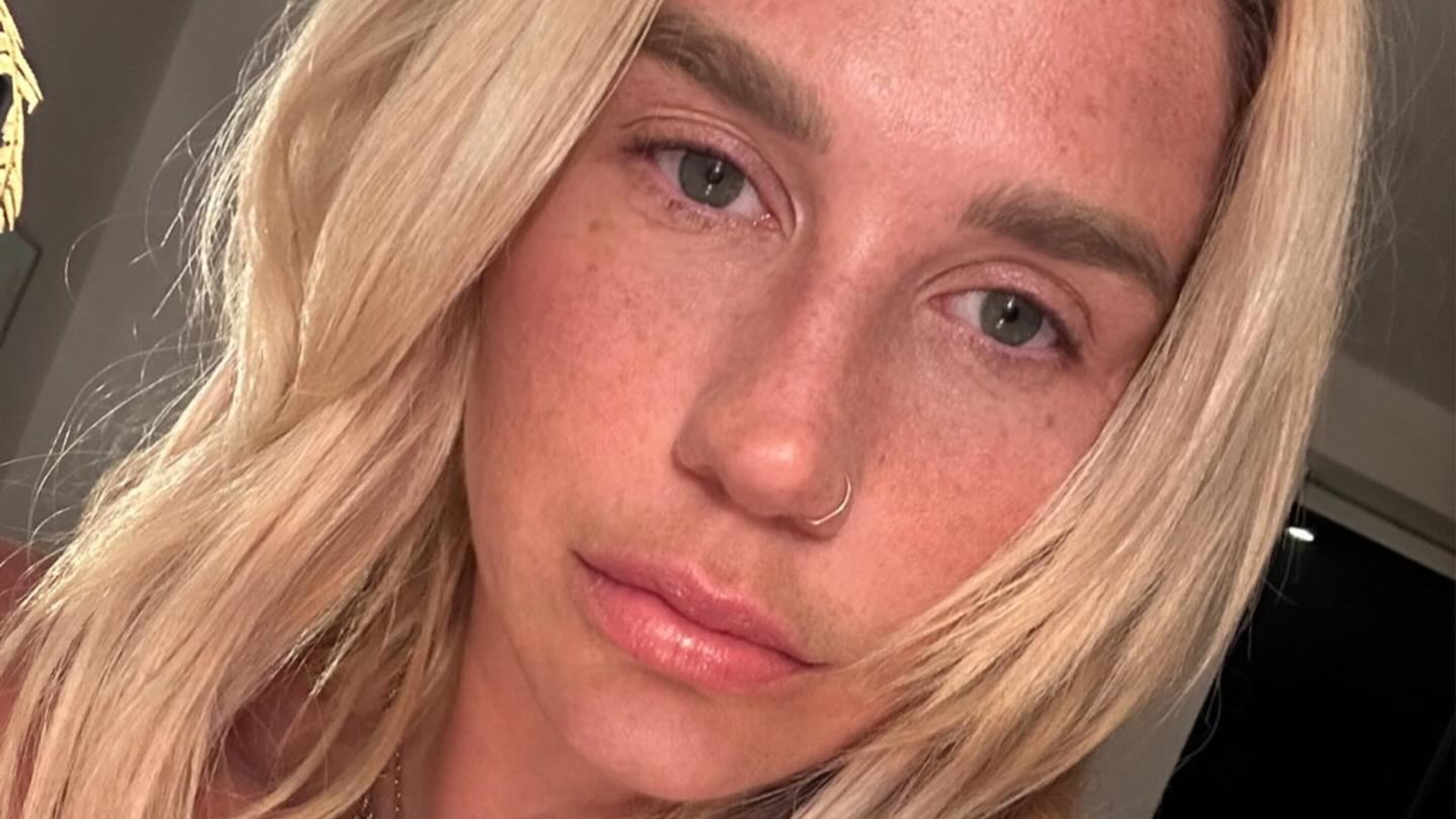
Invited on the popular podcast "Call Her Daddy" hosted by Alex Cooper, American singer Kesha spoke candidly about her relationship with her body, the aesthetic pressures she has faced since the beginning of her career, and a period when she made choices she now regrets. She offers a clear-eyed and compassionate perspective on her experiences.
A "horrible phase" that she acknowledges
In this episode, Kesha didn't mince words when discussing her past cosmetic procedures. "I went through a horrible phase of getting fillers," she confessed. Before adding, in her typically frank manner: "My God, it was awful. Because I was thinking, 'Oh, that's what I should do.' And then I realized, 'I really don't like the result.'" This statement perfectly encapsulates the trap many women fall into: making a choice out of obligation, rather than genuine desire. Kesha admits this openly, and that's precisely what makes her testimony so valuable.
The pressure of other people's gaze
During the same conversation, Kesha reflected on her experiences since the beginning of her music career. "Since the start of my career, people have commented on my body," she confided. She continued, "I internalize these comments, I take them as gospel, I try to adjust my body to what others want me to be." A powerful statement that sheds light on the entire mechanism of the pressures imposed on women in the public eye: to conform, to change, to bend to an external ideal, at the cost of their own identity. For Kesha, the conclusion is clear: "It's this constant dance with society to determine what it means to be a woman and what is acceptable. And on top of that, we're not supposed to get old."
A new era, freer and more peaceful
Today, Kesha is clearly feeling a different kind of energy. She has just completed the biggest tour of her career, almost twenty years after the global success of her song "TiK ToK." A sweet revenge, after years marked by a long legal battle that had kept her out of the spotlight.
While she admits to sometimes using "gentler beauty treatments"—for example, she mentioned a salmon DNA-based facial treatment, popular in Korea, in another podcast in July 2025—Kesha seems to have primarily made peace with her body. "I want everyone to truly feel authentic, connected to their best self," she explained to Alex Cooper. This message of acceptance perfectly encapsulates the mindset she likely operates in today.
With this revelation, Kesha joins the growing circle of artists who dare to speak openly about their past cosmetic procedures. Her sincere and insightful words remind us that it's never too late to readjust our relationship with our image. And that beyond trends and societal pressures, authenticity often holds the most beautiful balance.