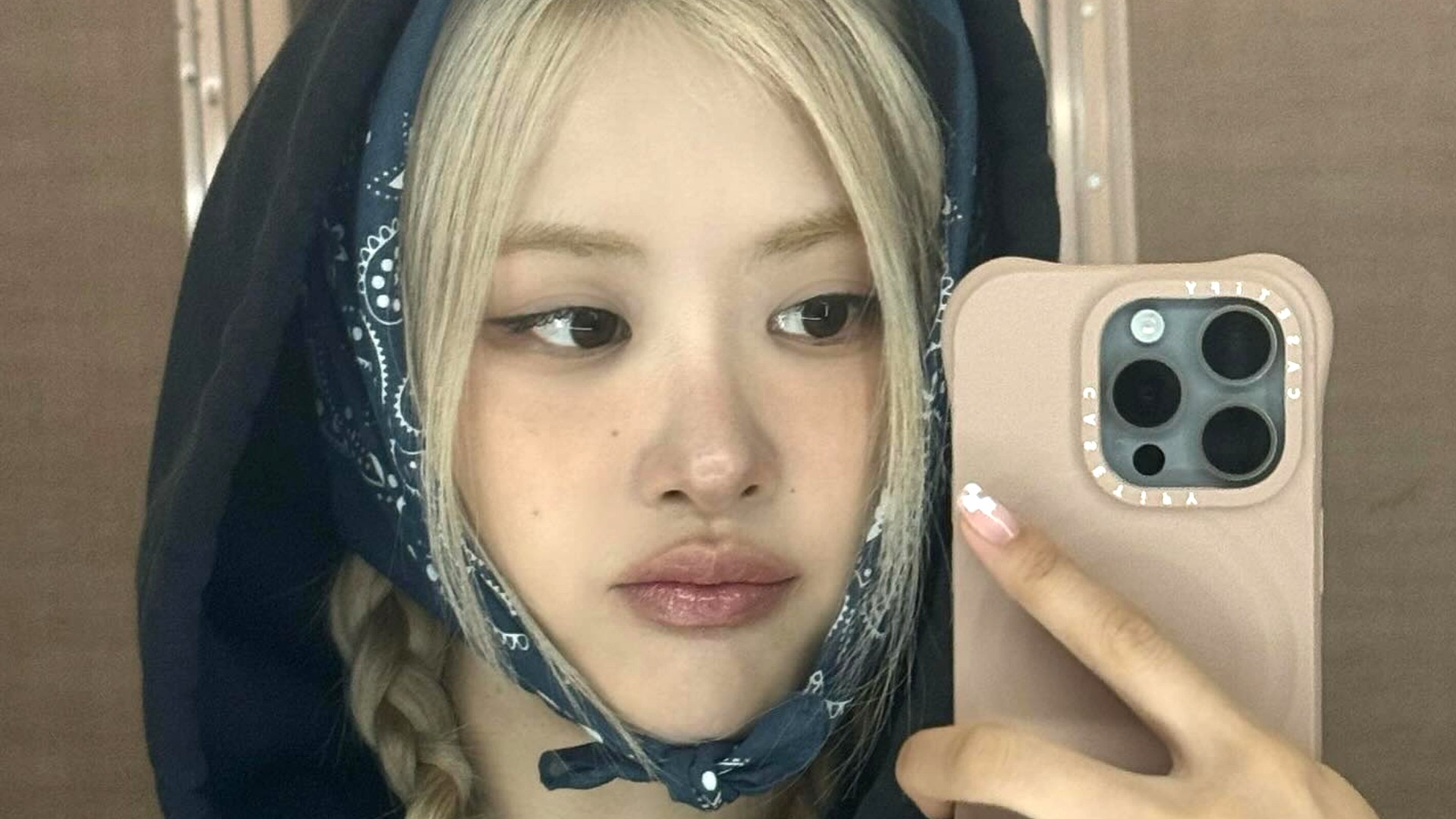
Rosé, the iconic voice of the South Korean K-pop girl group Blackpink, recently spoke candidly on the podcast Session 46: Rosé | Therapuss with Jake Shane . The South Korean singer challenges traditional expectations about marriage and family, fully embracing her happiness as a single woman.
A questioning of the "status quo of happiness"
In this intimate exchange, Rosé directly asks, "Why is getting married and buying a house the standard for happiness?" She points out that some people have miserable experiences in marriage, and adds, "Sometimes I feel so happy to be a single woman." It's a liberating message that refuses to sanctify marriage as a prerequisite for happiness.
remember when rosé said “getting married and getting a house, why is that the status quo of being happy? some people have miserable experiences there and sometimes i feel like i'm so happy being a single girl” girlie was spilling facts pic.twitter.com/yZHMGIOUW4
— hiro (@rsrosiess) January 5, 2026
Societal pressure on early marriage
In South Korea in particular, women face intense pressure to marry young and start a family quickly. This traditional cultural model values early motherhood and the role of housewife, often at the expense of women's personal and professional aspirations.
Rosé, the voice of a questioning generation
A member of the world's best-selling girl group, Rosé embodies a new generation of women who reject traditional expectations. At the height of her international career, she refuses to conform to a model that doesn't suit her. Her story resonates particularly with young K-pop fans, who often face the same rigid family expectations.
A plea for women's freedom of choice
By affirming her joy in being single, Rosé dismantles the idea that women's happiness necessarily depends on marriage and motherhood. She invites us to rethink what truly constitutes a fulfilling life: "Why should we have to get married to be happy?" This question opens the door to a broader reflection on the standards of success and achievement imposed on women, particularly in conservative societies like South Korea.
In the K-pop industry, where idols' images are meticulously controlled, Rosé's candor about her personal life marks a break with the past. Accustomed to carefully curated discussions about her private life, the singer chooses authenticity, preferring to talk about her true aspirations rather than conform to a predefined role.