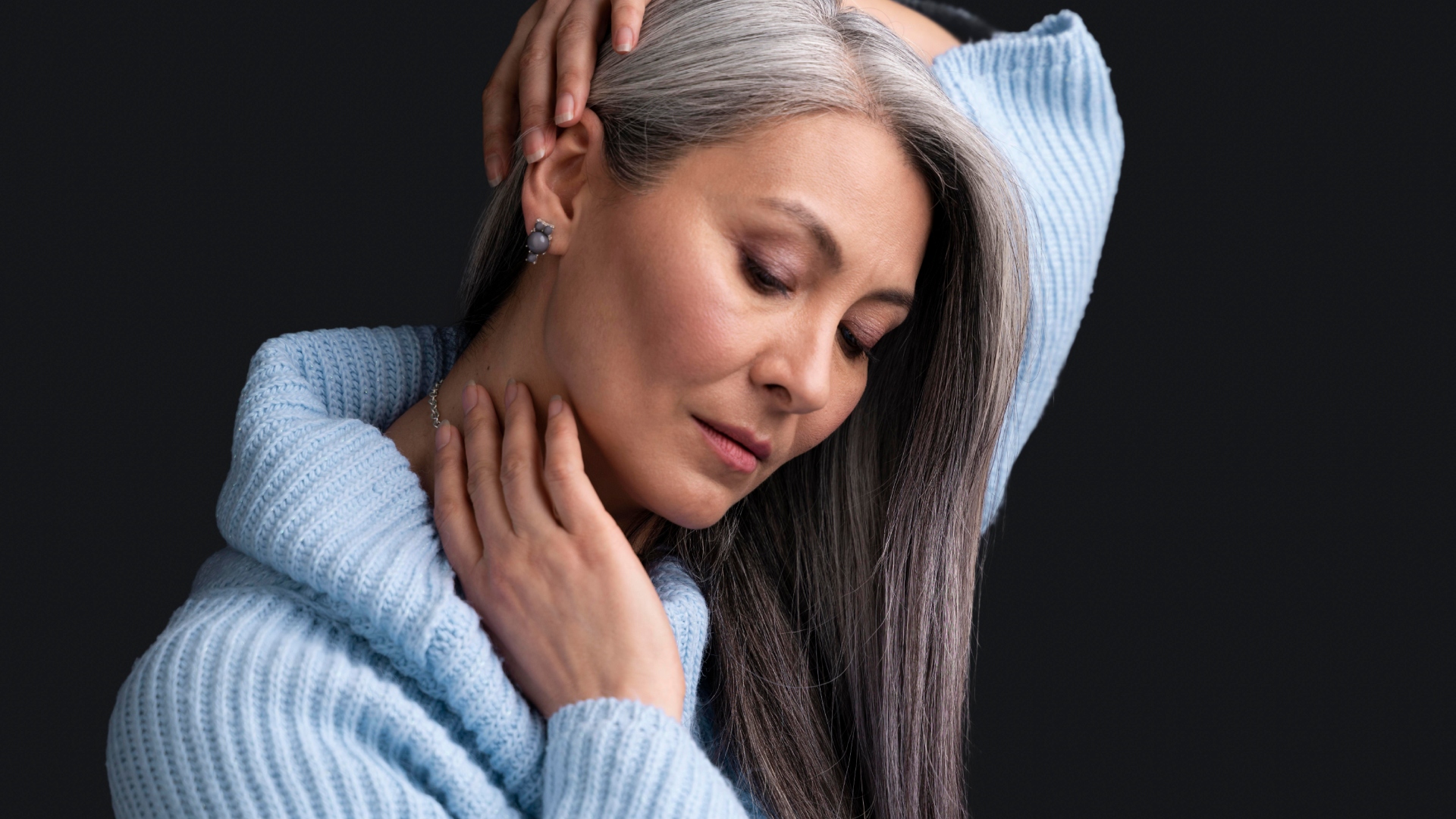
Long associated with age and beauty standards, gray or white hair is now becoming a symbol of freedom, self-acceptance, and personal choice. By 2026, more and more women are proudly displaying it, without filters or hang-ups.
Grey hair emerges from the shadows
For years, the appearance of the first gray hair was almost an emergency. A trip to the hair salon was in order, with regular appointments and monthly touch-ups: the gray had to disappear discreetly. But attitudes are changing. On social media, many women now share their transition to natural hair. They show the different stages, the roots appearing, the months of change, and the moments of doubt.
This visibility serves as a reminder of an essential point: having gray or white hair is not a flaw to be corrected. Every head of hair tells a story. Some people see their first gray hairs at 16, 20, or 30, while others discover them later. Whatever the stage of life, there is nothing abnormal or shameful about it.
View this post on Instagram
A natural color that becomes a deliberate choice.
This movement goes far beyond a simple hair trend. Behind gray hair lies a deeper reflection on how women are perceived. For a long time, gray hair on women has been associated with negative ideas: neglect, aging, and a lack of care. Yet, when a man sports silver hair, it is often seen as a sign of experience, charm, or maturity.
This difference in treatment is increasingly being questioned today. Why should we hide in women what is accepted in men? Gray or white hair detracts nothing from beauty, femininity, elegance, or self-confidence. Aging is a part of life, and there is nothing to conceal about the fact of growing older.
Changing words to change perspectives
The vocabulary surrounding gray hair is also evolving. We talk less about "letting ourselves go" and more about transition, going natural, or acceptance. This shift in language is important. It reminds us that keeping gray hair isn't abandonment, but a decision. It's not about giving up on self-care; it's about choosing a different way to do it. Taking care of your hair, whatever its color, can simply mean loving it, nurturing it, and enhancing its beauty. Beauty doesn't depend on the absence of gray hair, but on how comfortable each person feels with their own appearance.
Accepting one's gray hair should not become an obligation.
While the increased visibility of gray hair is a positive step forward, it shouldn't create new pressure. Freedom also includes the choice to color one's hair. Some people like to change their color, play with shades, or keep a color they love. That's perfectly valid. The goal isn't to replace one expectation with another, but to allow each person to decide what suits them best. Gray, white, colored, or natural hair: all options are legitimate.
View this post on Instagram
Towards a more inclusive beauty
Despite this evolution, gray hair remains underrepresented in advertising, the media, and traditional beauty images, except when associated with a specific age group. This is precisely what is changing when people choose to show it off every day. They remind us that a woman with gray hair can be young, old, elegant, dynamic, creative, or simply herself.
Ultimately, gray hair no longer simply tells a story of age. Above all, it tells a story of freedom. The freedom to no longer hide a part of oneself to conform to external expectations. Because, deep down, a gray or white hair is still a hair: a color among others, and a beauty that deserves to be fully embraced.