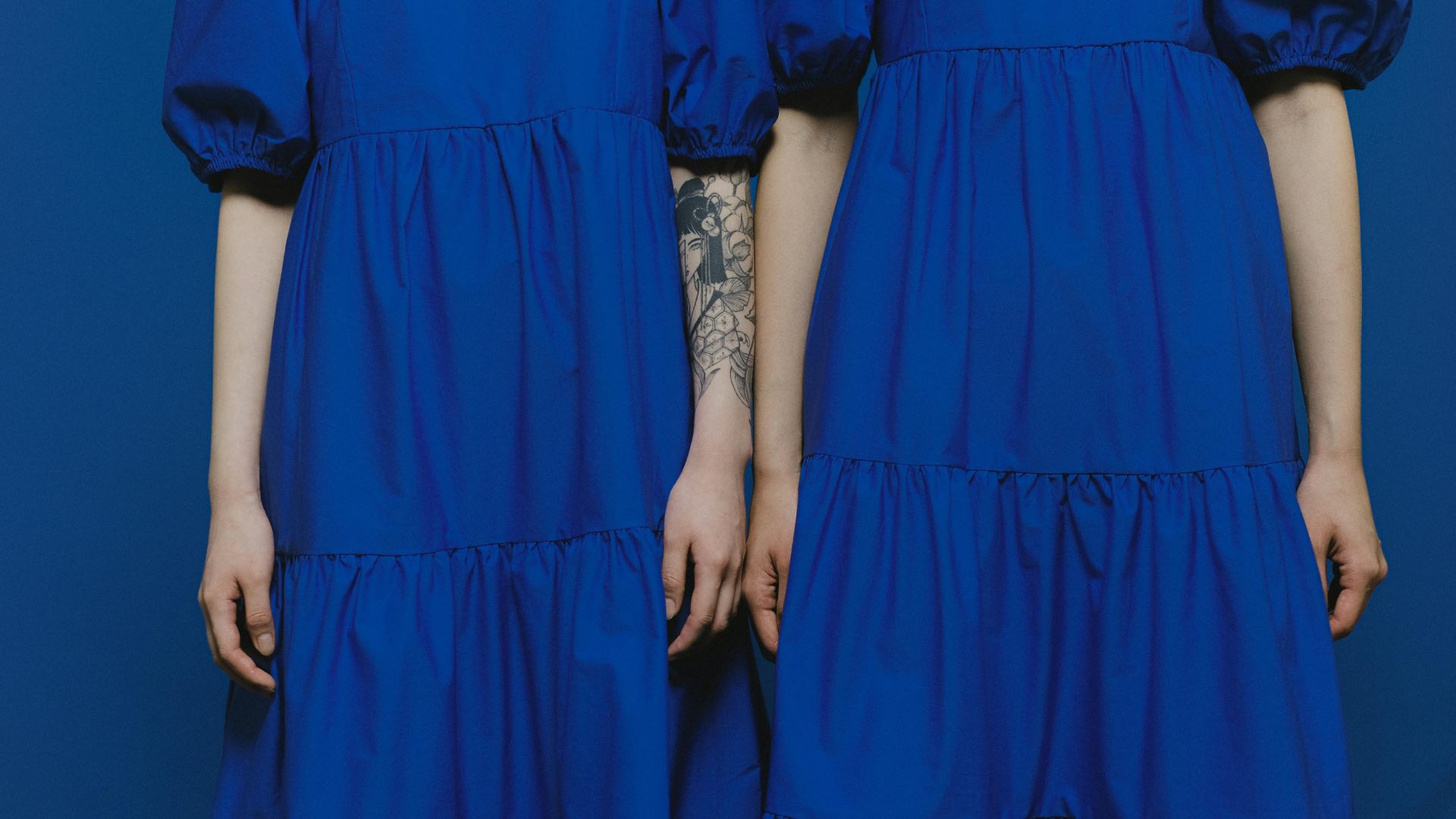
What if a color you encounter every day revealed a great deal about our inner landscapes? Behind its apparent ordinariness, blue has intrigued psychologists for decades. Soothing, reassuring, universal… but also full of paradoxes. A playful and nuanced exploration of a hue that leaves no one indifferent.
When psychology goes technicolor
Psychology has long been interested in colors as reflections of our emotions. As early as the 1960s, researchers began analyzing the color preferences of individuals receiving psychiatric care. One observation stood out: a single color recurred insistently in a significant proportion of patients, exceeding 40%. This scientific curiosity paved the way for numerous subsequent studies.
Over time, studies have shown that so-called "cool" colors, and blue in particular, are more frequently mentioned by people experiencing periods of psychological vulnerability, such as depression or anxiety. It is essential to state from the outset that these correlations are never intended to establish a diagnosis. Rather, they outline trends, avenues for reflection on how the human mind seeks meaning, calm, and coherence.
Blue, an ordinary color with complex uses
Of all the colors studied, blue consistently emerges in research on certain personality traits grouped under the name "dark triad": narcissism, Machiavellianism, and psychopathy. Put this way, the observation may seem dramatic. However, the reality is far more nuanced and deserves to be presented without sensationalism.
Clinicians observe that some individuals with complex psychological functioning exhibit a marked contrast between their outward appearance and their inner life. They may display composed demeanor, controlled speech, and a body that appears calm and perfectly in control, even while their emotional and cognitive activity is intense. In this context, an attraction to the color blue could symbolize a search for balance, an attempt to connect with a sense of stability and gentleness.
Blue then becomes less a flag and more a refuge. A color into which one slips as into a comfortable, enveloping garment, respectful of the body and its need for security.
A color that also does a lot of good
It would be unfair—and scientifically inaccurate—to reduce blue to these associations alone. This color is one of the most popular in the world, across all cultures. It evokes confidence, harmony, the sea, the sky, and deep, full breathing. Numerous studies show that it can slow the heart rate, promote concentration, and foster a sense of inner security.
In professional, medical, or educational settings, blue is often used to create a serene atmosphere. It complements the body without constraining it, inviting relaxation without ever imposing. To love blue is also to love this promise of peace and continuity.
Let's be clear: your attraction to a color doesn't define your morals, your ethics, or the quality of your relationships. It doesn't make you manipulative, fragile, or suspicious. It speaks primarily to an intimate dialogue between your emotions, your history, and your sensitivity.
In short, for specialists, color preferences are just one indicator among many, never definitive judgments. They offer a poetic and partial glimpse into the inner world, but they are no substitute for listening, empathy, or a comprehensive understanding of a person. If blue is so captivating, it is undoubtedly because it acts as a universal language of comfort. An ordinary color, yes, but extraordinarily human, capable of speaking to the body with kindness and to the soul with restraint.