While in most countries around the world, new mothers return home immediately after giving birth, in South Korea they find refuge in establishments that are a hybrid of luxury hotel and wellness center. Massages, customized meals, psychological support, body treatments… in these havens of tranquility, women receive royal treatment. A welcome initiative, but paradoxical in a country where the birth rate is declining every year.
Resting after childbirth, a thousand-year-old tradition
In France and other Western countries, women barely have time to recover from childbirth before they have to return home and resume a hectic pace. Just hours after giving birth to their tiny, wrinkled being, they're back at home with not a moment to themselves. In South Korea, rest isn't a distant utopia; it's the norm. In this country, which teaches demography as early as the fourth grade in the hopes of inspiring future generations to have babies, postpartum recovery takes on almost the form of a wellness retreat. Mothers find a tranquility that others never experience in hybrid spaces, a world away from the coldness of hospitals.
They unpack their luggage and strollers in premium rooms equipped with nursing pillows, cribs, diapers, incubators, and breast pumps. In the heart of these upgraded clinics, which create the illusion of a vacation, mothers have nothing to do but sleep, eat, and recharge. Here, everything is designed to regenerate the mothers' bodies and reward them accordingly with homemade broths, targeted massages, and dedicated staff always ready to provide relief. These postpartum centers, better known as "sanhujoriwon," didn't emerge from a viral trend or a passing fad. They are part of a long-standing tradition, albeit with a slightly more "marketing-oriented" approach.
According to Traditional Chinese Medicine, pregnancy and childbirth are "energy-draining" and greatly affect a woman's vital energy. This same principle, known as "zuò yuèzi," also suggests that the mother loses her internal warmth. Hence the prescription of warm, fatty foods, spa treatments, and restorative sleep in soft sheets.
Five-star postnatal recovery facilities
In South Korea, a country with one of the lowest birth rates in the world, but which saw an unexpected surge in births by 2025, mothers experience the early days of motherhood in idyllic conditions. While France is gradually closing its maternity wards, the country of ten-step skincare is opening more and more postpartum centers. Places where fatigue and mental strain are foreign concepts.
Mothers typically stay in these private facilities for one to three weeks. They are not prescribed by a doctor; the request comes from the mothers themselves and is at their own expense. According to Statistics Korea, 80% of new mothers each year visit these maternity sanctuaries. During this quarantine period, they are alone with their child. With a nursery staffed by nurses 24/7, upscale rooms equipped with stylish medical beds, a lactation room, relaxation areas, and meals designed to meet the mothers' nutritional needs, mothers can structure their day as they see fit.
Beyond following a soothing routine, mothers also have the rare privilege of creating a more intimate bond with their baby , free from the outside world. These rooms give the impression of being in a bubble, a cocoon. And when the baby starts crying in the middle of the night, the nurses take over. In this way, they gently become familiar with this role and recharge their batteries, away from family obligations.
Life within the walls of these postpartum centers
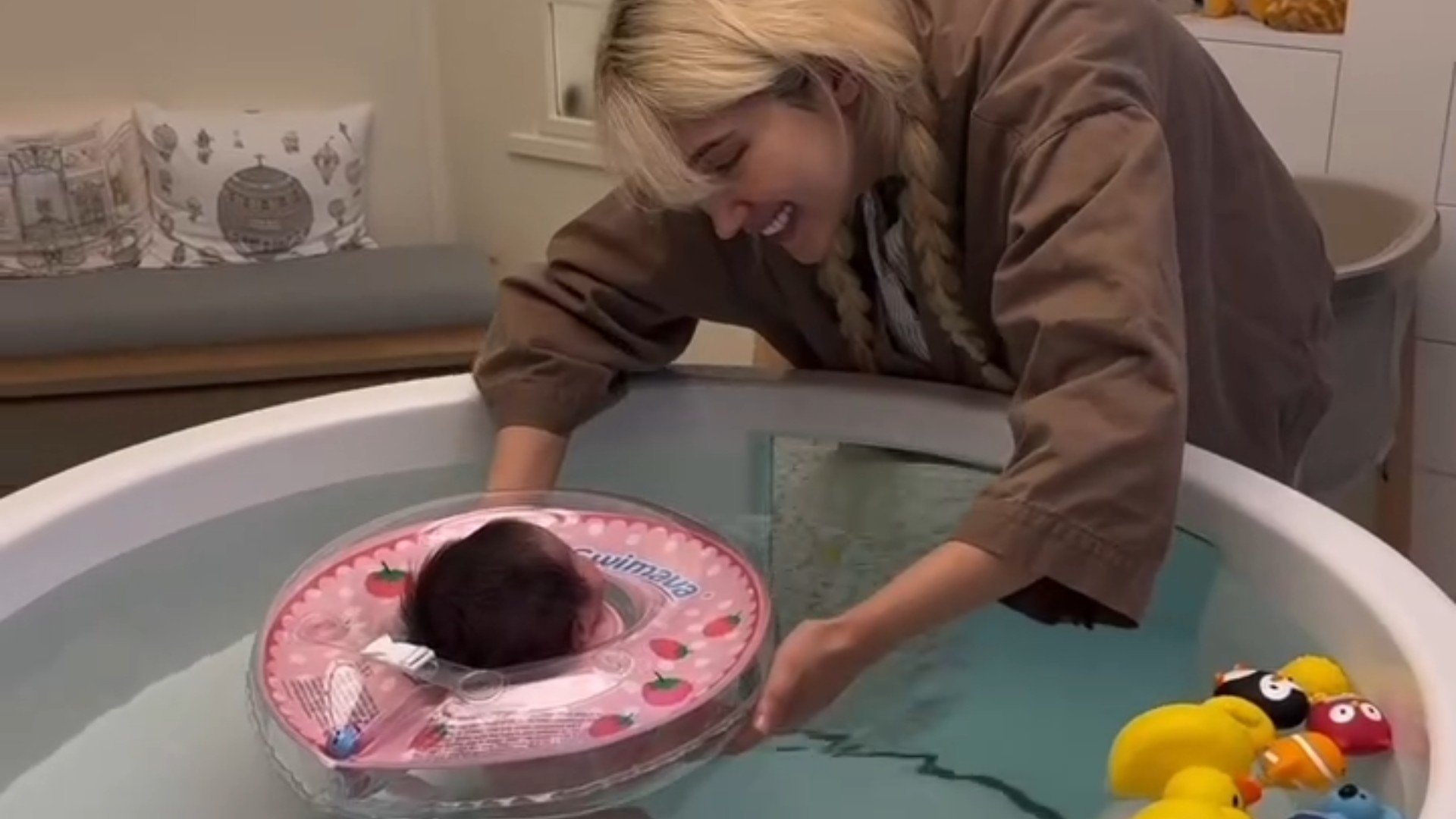
On social media, many women are documenting their stays in these postpartum centers, which seem revolutionary elsewhere, but are simply the logical continuation of those nine long months of pregnancy in Korea. They are seen in floral nightgowns, sipping herbal teas, eating tempting meals, getting scalp massages, or having gel masks applied to their faces. "All mothers deserve this kind of care," says @mrs.helenchoe , who is surprised that such services are not available in the United States.
Some stay in minimalist rooms, while the more affluent cradle their newborns in private suites the size of apartments. Options also vary from one facility to another. The luckiest women enjoy photo shoots of their newborn, arts and crafts activities, and state-of-the-art wellness equipment. “Dad can also stay on-site,” adds @pearljjchoi, who has experienced this premium maternity ward.
A luxury not accessible to all mothers
These postpartum centers are like havens for mothers exhausted by childbirth. They single-handedly fill a serious gap in postpartum care. Which is quite admirable when you consider that 7 out of 10 women feel desperately alone after giving birth. However, for many women, it's a dream that will never come true, a pure fantasy. Because no, social security doesn't cover these "all-inclusive" stays.
Depending on the facility, the price can vary significantly. One content creator admitted to paying $4,784 for 10 days. In several videos, clients also highlight the highly commercial nature of these facilities, which further exacerbates inequalities. This is where the contrast becomes most striking. On one hand, a highly structured, almost industrialized, postpartum experience. On the other, a society where postpartum care remains largely private, familial, and unequal. Some women can enjoy weeks of assisted rest, while others find themselves alone, managing sleepless nights, physical recovery, and the first weeks of breastfeeding without any real support.
While postpartum centers fill a gap in the attention given to mothers' bodies, they also remind us that well-being has a price and capitalize on the health of mothers.