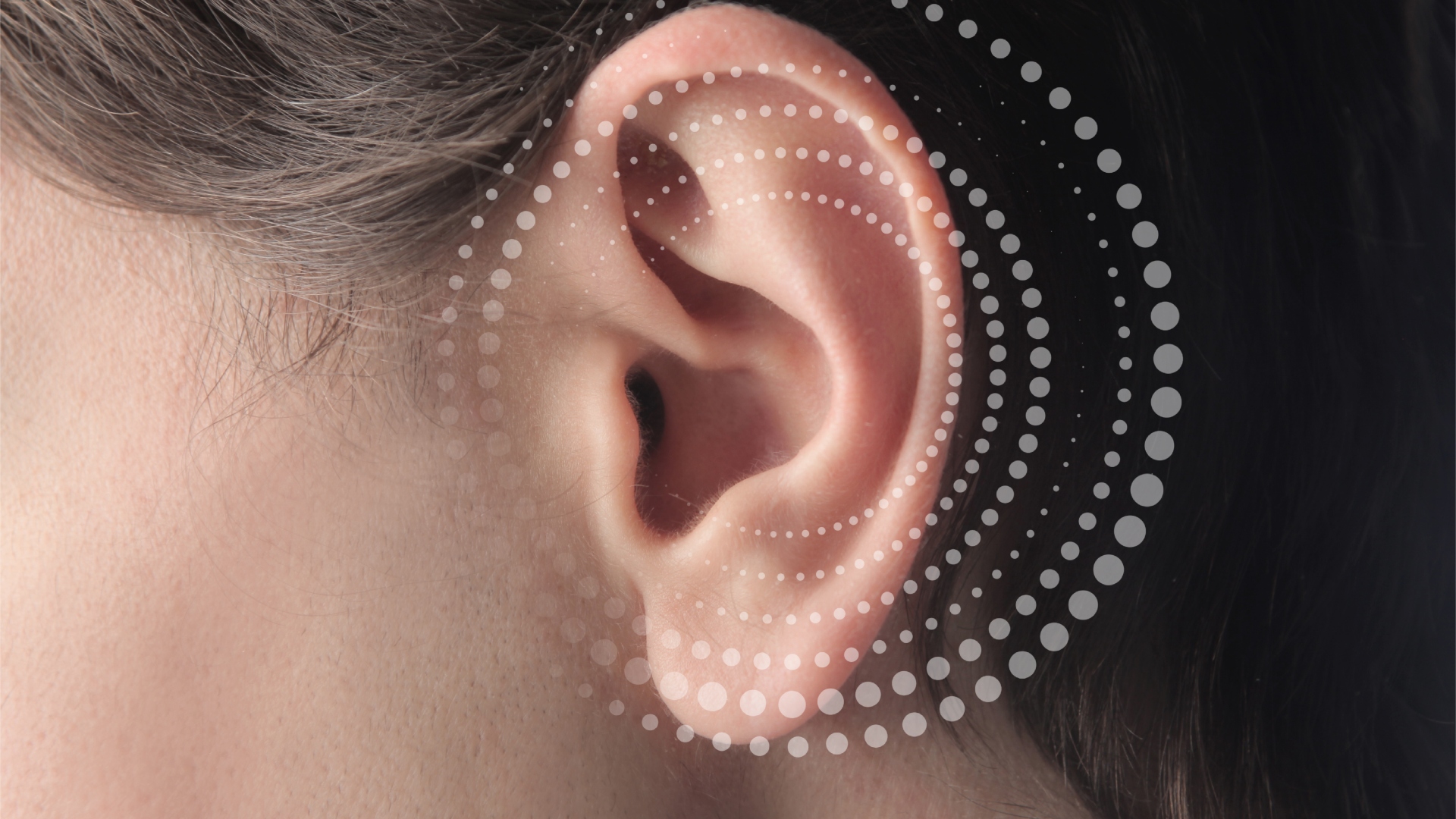
Voluntarily moving one's ears is one of those discreet yet intriguing abilities. This talent, possessed by very few people, is nevertheless much more common in men than in women. Behind this seemingly innocuous movement lies a fascinating story involving evolution, the brain, and the hidden potential of the human body.
A vestige of our ancestors… still very much alive
If you manage to move your ears, even slightly, you are actually activating a reflex inherited from our primate ancestors. In monkeys, cats, and dogs, this movement serves to precisely orient the ear flaps towards a sound, in order to identify its source or anticipate danger. In a dense jungle or wild environment, this ability represented a real survival advantage.
In modern humans, this reflex has lost its original function. The three muscles responsible—the anterior, superior, and posterior little fingers—have become largely unused. Yet, in some people, they remain perfectly activatable. Scientists estimate that very few individuals are capable of this, and it is not yet clear why this ability is about three times more common in men than in women.
A muscular curiosity… or a clue about your brain?
This gesture might be more than just a funny curiosity. Researchers suggest it could reflect a more developed form of neuroplasticity. In other words, the brains of people who can wiggle their ears may be better able to maintain, reorganize, or reactivate certain neural connections.
Some studies go even further, suggesting that this ability could be associated with greater brain resilience after a stroke or trauma. This subtle movement would then become an indicator of mental flexibility, adaptability, and recovery potential. A beautiful demonstration of everything your body and brain are capable of, sometimes without you even realizing it.
A feat of motor coordination
Wagging your ears isn't as simple as it seems. It requires very precise coordination between the brain and muscles that most people never use voluntarily. To make them move, you have to activate these three muscles simultaneously, without relying on facial or neck movements.
So it's not a matter of anatomy—everyone has these muscles—but rather of neural connections. In some people, these connections have remained active. In others, they've simply become dormant, without disappearing entirely. Good news for those who enjoy gentle physical challenges.
Good news: you can learn
Contrary to popular belief, this talent isn't reserved for a "genetic elite." It's possible to awaken these dormant muscles. In front of a mirror, by focusing on the temple area and trying to elicit the slightest twitch, you can gradually reactivate this ancestral movement.
The key lies in patience, body awareness, and repetition. Every micro-movement counts. And even if you can't get your ears twitching like an attentive cat, you're still stimulating your body awareness, coordination, and brain-muscle connection. It's a rewarding practice for your body, your mind, and your confidence in your abilities.
In short, wiggling your ears might not transform you into a superhero, but this gesture perfectly illustrates the hidden richness of your body. It reminds us that you are so much more than what you use every day, that your brain is teeming with unexplored neural pathways, and that your body deserves to be celebrated in all its subtleties.