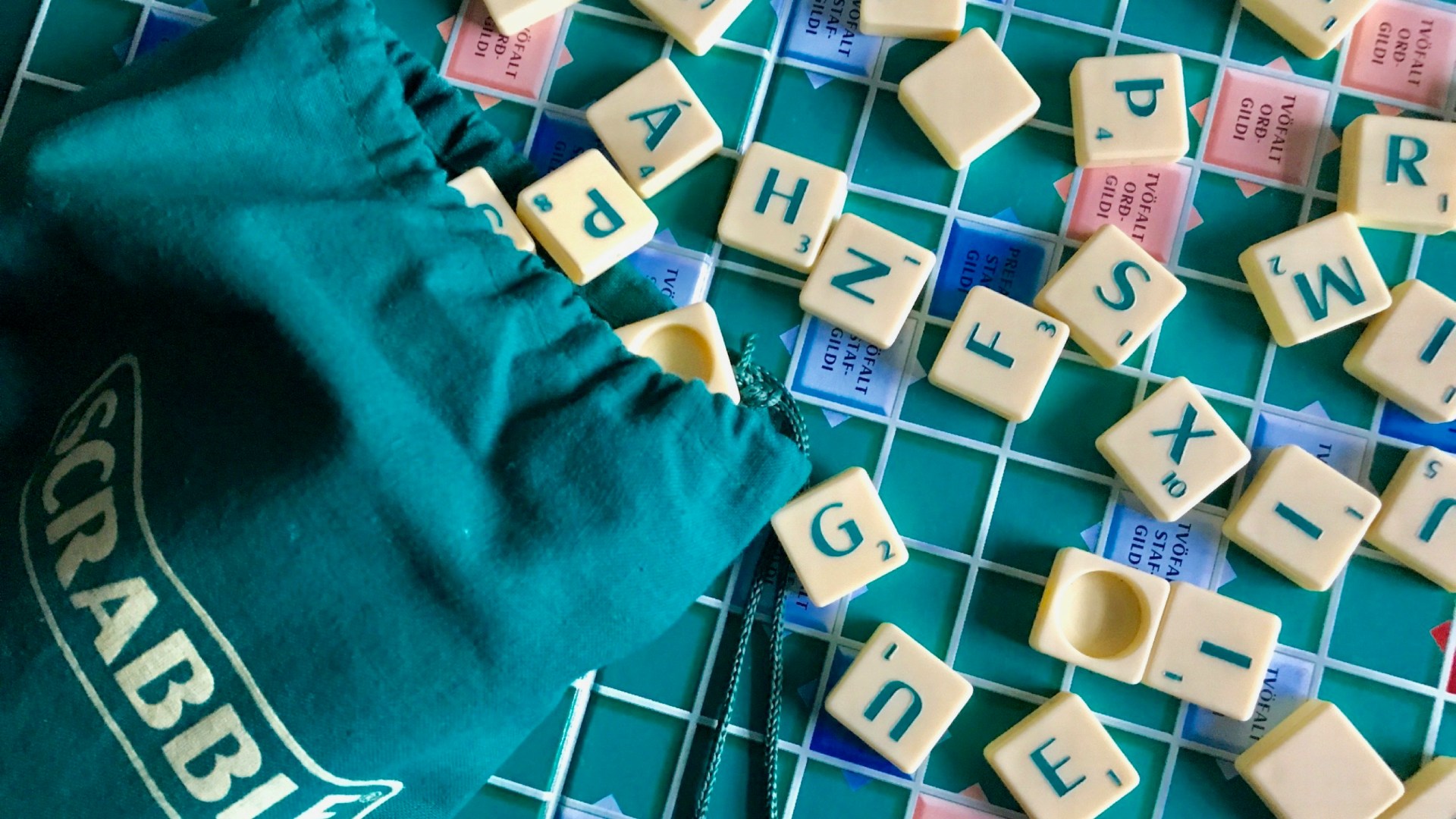
Scrabble isn't just a retirement home pastime or a hobby for seniors. This board game, often seen with wrinkled fingers, deserves a place at the center of your table when boredom threatens. It's an activity that counts triple for mental health and memory.
A mental sport that's far more intense than it seems
For many, Scrabble is a game designed to alleviate the boredom of retirees. The senior citizens' club readily plays it to pass the time and offer a change from bingo and Sudoku. Behind the green racks, graying heads puff out their breaths with each new tile. With all the crossword puzzles already completed, the seniors have plenty of practice and a good vocabulary. They almost seem to have a dictionary implanted in their brains .
While they sometimes mix up their grandchildren's names, they have a sharp mind when it comes to building words in Scrabble. They are literally unbeatable. This word game, which sometimes resembles an intellectual competition, isn't just good for improving one's French and honoring the language of Molière. Even if older people form veritable brotherhoods around the board, young people can also find benefits in it. Behind its peaceful appearance, Scrabble engages an impressive number of mental abilities. It helps develop:
- memory (of words, spellings, possible placements),
- attention,
- concentration ,
- linguistic creativity,
- and even the long-term strategy
With each draw, the brain is activated: it scans, sorts, assembles, searches, calculates. This constant back and forth between quick thinking and methodical analysis is akin to a complete cognitive training session. It's the brain's version of a cardio workout.
A boost in self-esteem (and dopamine)
More than just a Sunday game you pull out once in a blue moon to please Grandma, Scrabble is also a confidence booster. And you don't need to use words like "love," "positivity," or "I" for it to have an effect on your self-esteem. Unlike other board games where speed or encyclopedic knowledge reign supreme, Scrabble is a game that values personal growth.
Each word found, however small, triggers a small surge of dopamine. This subtle pleasure boosts self-confidence and gives the gentle, yet real, feeling of improvement with each game. At first, you find basic words that a five-year-old could use, then you progress to a more sophisticated vocabulary, worthy of the court of Louis XIV.
Scrabble is also a game that allows you to celebrate micro-victories: bringing out a rare word, placing an X in the right place, scoring a "scrabble" (that famous 7-letter word)... These are small successes that make you feel good.
A valuable ally against cognitive aging
Geriatricians have long said that exercising language is one of the best ways to preserve cognitive abilities with age. Scrabble stimulates the areas of the brain involved in verbal memory, word recognition, and cognitive organization. In other words, it keeps the brain active like a muscle.
Some studies even suggest that regular language activity could help slow age-related memory loss or reduce certain risks of cognitive decline. Seniors have always known this intuitively… and we are only now rediscovering their secrets.
It's time to listen to the voice of wisdom, aka the elders. Scrabble has always been their secret to rejuvenating the mind. So when you're stuck for ideas, pull out this giant board and conjugate the verb "to be able" endlessly.