Do you toss and turn in bed, your mind racing, and sleep eludes you? You're not alone. Among the natural solutions gaining popularity, one simple technique stands out: the 4-7-8 breathing technique, designed to calm the body and prepare you for sleep.
A simple technique to try tonight
The 4-7-8 method is based on a precise breathing sequence, easy to memorize and reproduce at home, without any equipment. The principle is as follows: you inhale through your nose for 4 seconds, hold your breath for 7 seconds, then exhale slowly through your mouth for 8 seconds. This cycle is generally repeated 4 times, but you can adjust it to suit your comfort. The goal is not performance, but consistency. You listen to your body, without pressure, in a gentle approach that respects your own rhythm.
Why your breathing changes everything
Your breathing is directly linked to your internal state. When you are stressed or on alert, it often becomes rapid and shallow. Conversely, slow, deep breathing sends a safety signal to your body.
With the 4-7-8 method, you activate what's known as the parasympathetic nervous system, responsible for rest and relaxation. As a result, your heart rate slows, tension decreases, and your body gradually prepares for sleep. This is especially helpful if you tend to ruminate or dwell on your day once you're in bed. By focusing on your breathing, you gently bring your attention back to the present moment.
A calming effect backed by science
Slow breathing techniques are not just about feeling good. They have also been studied scientifically. Research published in the journal Frontiers in Human Neuroscience shows that voluntary control of breathing can influence the autonomic nervous system, which is involved in stress management.
By slowing your breathing, you help your body transition from a state of alertness to a state of rest. This shift is essential for falling asleep more easily. In other words, breathing differently can truly change how your body prepares for sleep.
How to easily integrate it into your routine
The strength of this method lies in its simplicity. It can be easily integrated into your evening routine without disrupting your schedule. To optimize its effects:
- Choose a calm and comfortable environment.
- Put away screens a few minutes before going to bed to limit stimulation.
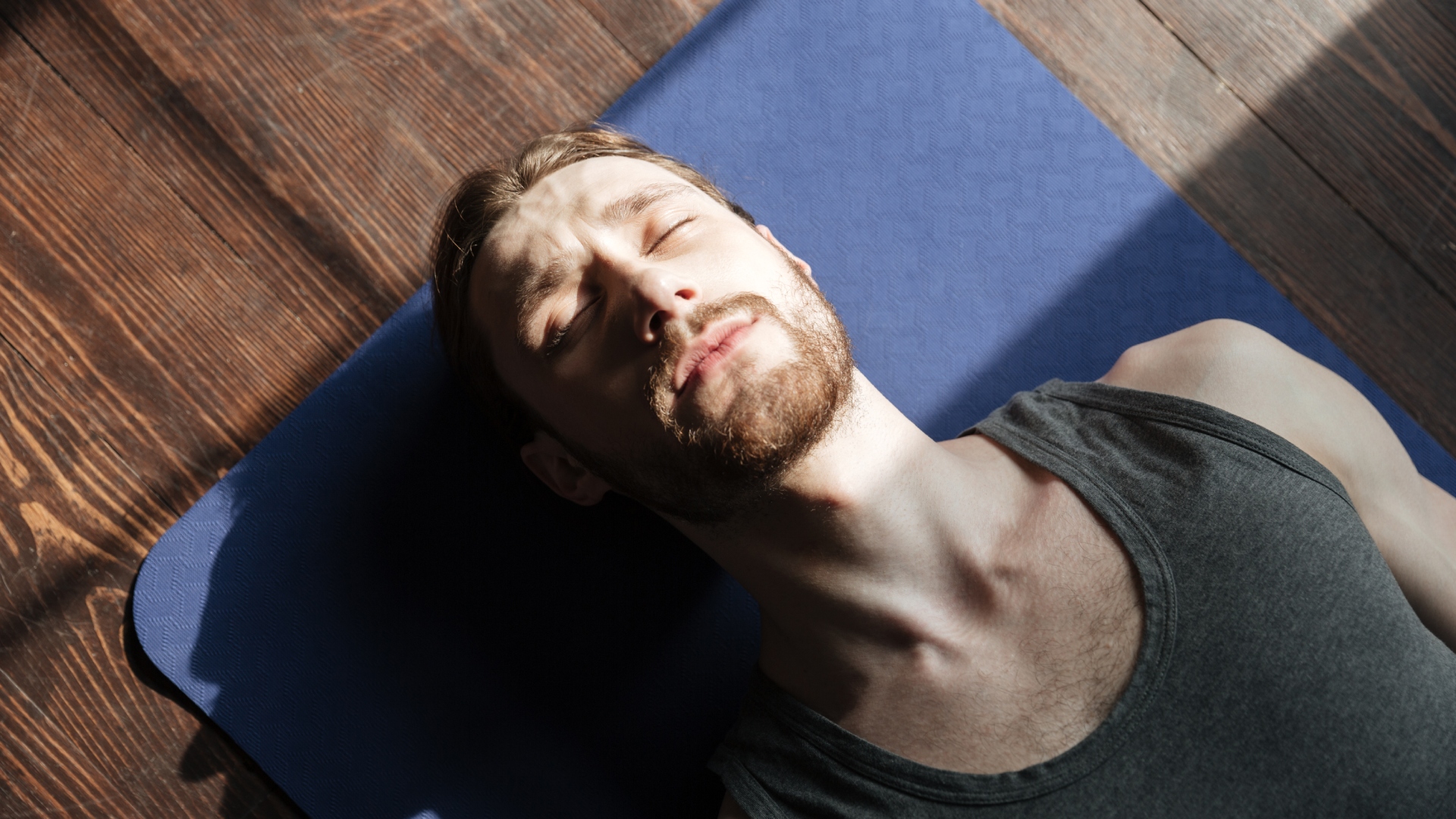
- Settle into a comfortable position, lying down or sitting down.
- Let your breath become your anchor point.
Regularity is your best ally. The more you practice, the more your body will associate this breathing with a moment of relaxation and letting go. And above all, be kind to yourself: some evenings will flow more easily than others, and that's perfectly normal.
Help, not a miracle cure
The 4-7-8 method can be a valuable tool to help you fall asleep, but it doesn't replace a healthy lifestyle. Stress, sleep habits, diet, and your environment also play a significant role. This technique is therefore a support, a simple way to take care of your body and mind at the end of the day.
Ultimately, the 4-7-8 method reminds us of one essential thing: sometimes, the simplest actions - like conscious breathing - can make all the difference in finding a more peaceful sleep.