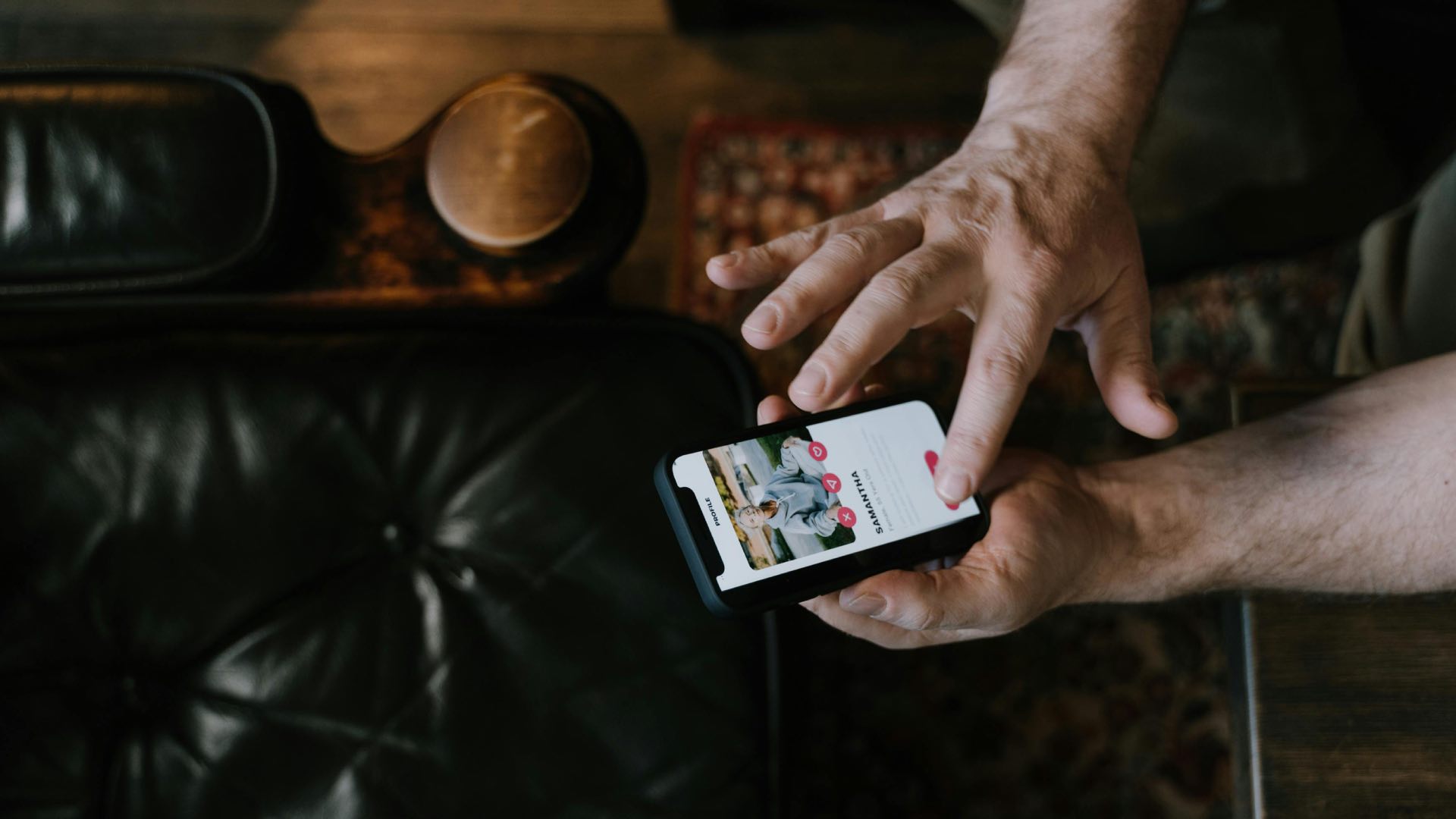
The world of dating apps once seemed dedicated to singles seeking romance, companionship, or a fresh start. A recent study by the Pew Research Center has spiced things up. According to their data, 65% of users of dating sites or apps are actually already in a relationship or married. This revelation seriously changes the game.
When curiosity takes over
Did you think it was a vast public square filled with lonely hearts hoping to meet the right person? A study by the Pew Research Center shows that, in reality, a large proportion of these "profile hunters" are already wearing a wedding ring or in a relationship. Yes, you read that right: more than half of the users are not single. This finding is enough to make even the most optimistic waver.
According to the study, non-single users flirt on these platforms for several reasons, and certainly not always to find their soulmate. Some are driven by "pure and simple curiosity." Others come seeking "a dose of personal validation," that little ego boost that warms you like a ray of sunshine in the middle of winter. Some want to "explore, test their power of attraction, have fun swiping without any intention of going any further."
You might think this reflects discomfort or a desire for a double life, but the reality is often much more nuanced. Many of these people have no intention of investing in anything else. They use the app as a social mirror, a stage where they can "observe, interact, or remind themselves that they exist outside of their role as a spouse." In a hyper-connected world, motivations become multiple, sometimes contradictory.
A very different atmosphere from the traditional quest for love
This massive presence of engaged users is profoundly transforming the atmosphere of dating apps. Spaces that were once intended for building genuine connections now resemble more "social spaces with varied objectives." Serious singles, meanwhile, may feel lost, even bewildered. How can they distinguish a genuine intention from mere digital browsing?
With more than half of users already engaged in a relationship, the "marketplace" is no longer quite what we imagined. Intentions are intertwined, expectations diverge, and disappointments are on the rise. This poses a real challenge in terms of transparency. Users seeking a lasting relationship must navigate profiles that are often ambiguous, and this lack of clarity can erode trust in online interactions.
Apps are becoming all-terrain social spaces
Experts are increasingly talking about a "transformation of dating apps." They no longer see them solely as "romantic hunting grounds," but as truly "multifunctional social spaces." You'll find people there looking for fun, social stimulation, identity validation, a sense of belonging, or light entertainment after a busy day.
In other words, these platforms have become a kind of "parallel social network" where people can interact, explore, and chat without necessarily looking for love. You could almost see them as a virtual living room where everyone comes to display a part of themselves, sometimes sincere, sometimes strategic. This changes the very nature of interactions. The apps are no longer just a meeting place for two souls ready to take flight together, but a space where multiple intentions coexist, from discreet flirting to simply scrolling distractedly.
A future to rethink for online dating
Faced with this evolution, one essential point emerges: platforms must rethink how they operate. How can we guarantee an environment where everyone can find what they are looking for, while respecting the diversity of uses? Can we offer greater transparency regarding users' intentions? Can we better support people seeking authentic encounters?
This transformation could be an opportunity to make these spaces more honest, more inclusive, and better adapted to current realities. After all, what matters is that everyone can thrive in a clear, caring, and respectful environment.
Ultimately, this study doesn't say that dating apps are "fake," but rather that they have become a reflection of a complex, diverse society with multiple desires. And while this diversity can sometimes be confusing, it also shows that we are not one-dimensional beings. Perhaps by better understanding these varied uses, everyone can find their place within them, authentically.