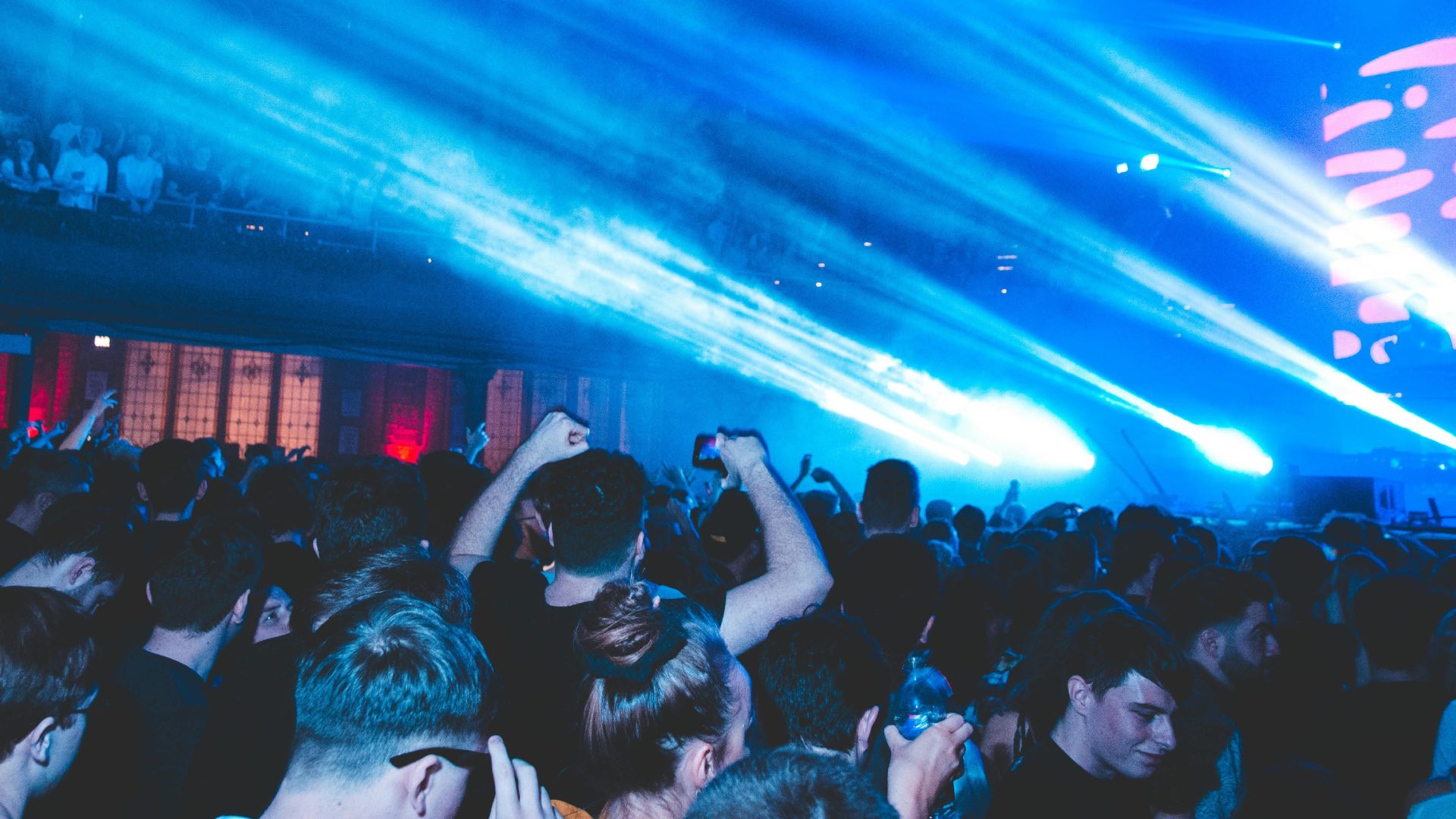
Dancing in the middle of the morning, drinking water instead of cocktails, and participating in wellness activities in a festive atmosphere: "dopamine parties" are redefining the rules of partying. This concept, which prioritizes collective energy without excess, is attracting an increasingly wider audience.
A morning party that breaks with traditional norms
On March 28, 2026, several hundred people gathered at a Madrid nightclub for a "dopamine party," a festive event held during the day without the consumption of alcoholic beverages. According to Reuters and The Washington Post, nearly 700 participants took part in this morning of dancing, which began at 11 a.m. and combined music, physical activities, and socializing.
On the dance floor, the atmosphere remained true to the conventions of a classic party: light shows, DJ sets, and a collective energy. The difference lay in the event's overall approach, which emphasized vitality and well-being rather than the excesses usually associated with nights out. Some participants alternated between dance sessions, physical exercise, and breaks with refreshing drinks or light snacks, in an atmosphere described as festive and supportive.
View this post on Instagram
The principle: to stimulate dopamine in a different way
The name "dopamine party" refers to dopamine, a neurotransmitter involved in motivation and pleasure. The idea is to offer activities that promote feelings of satisfaction and energy without resorting to substances associated with excess.
Rhythmic music, social interaction, physical movement, and exposure to light are all known factors that contribute to a feeling of well-being. According to several media outlets, these events are part of a broader trend of initiatives aimed at rethinking nightlife, such as "sober" parties or festive events organized during the day.
A trend driven by new social expectations
The growing popularity of this type of event is largely due to the increasing interest in mental health and work-life balance. More and more people are seeking social experiences that don't necessarily involve consuming alcoholic beverages or extending the night into the early hours.
This phenomenon particularly affects a generation attentive to its well-being, which wants to balance social life, physical fitness, and relaxation. "Dopamine parties" meet this demand by offering a format that allows people to enjoy a group activity while maintaining a routine compatible with professional or personal life.
Well-being is becoming a new driving force in the party.
Beyond being a mere fad, these events illustrate a broader transformation of the events industry. Organizers are now exploring "hybrid formats" that blend music, sports, personal development, and socializing.
Some "dopamine parties," for example, include yoga, meditation, or sports coaching sessions, while still maintaining a fun and musical atmosphere. This evolution also reflects a diversification of social practices, where partying is no longer limited to the night or the consumption of alcoholic beverages.
While traditional parties remain the most common, "dopamine parties" reflect a growing interest in "alternative party experiences." The success of the Madrid event demonstrates that this type of format can attract a wide audience drawn to a friendly and energizing atmosphere without excess. Partying, once associated with transgression, is gradually shifting towards experiences focused on balance and collective well-being.