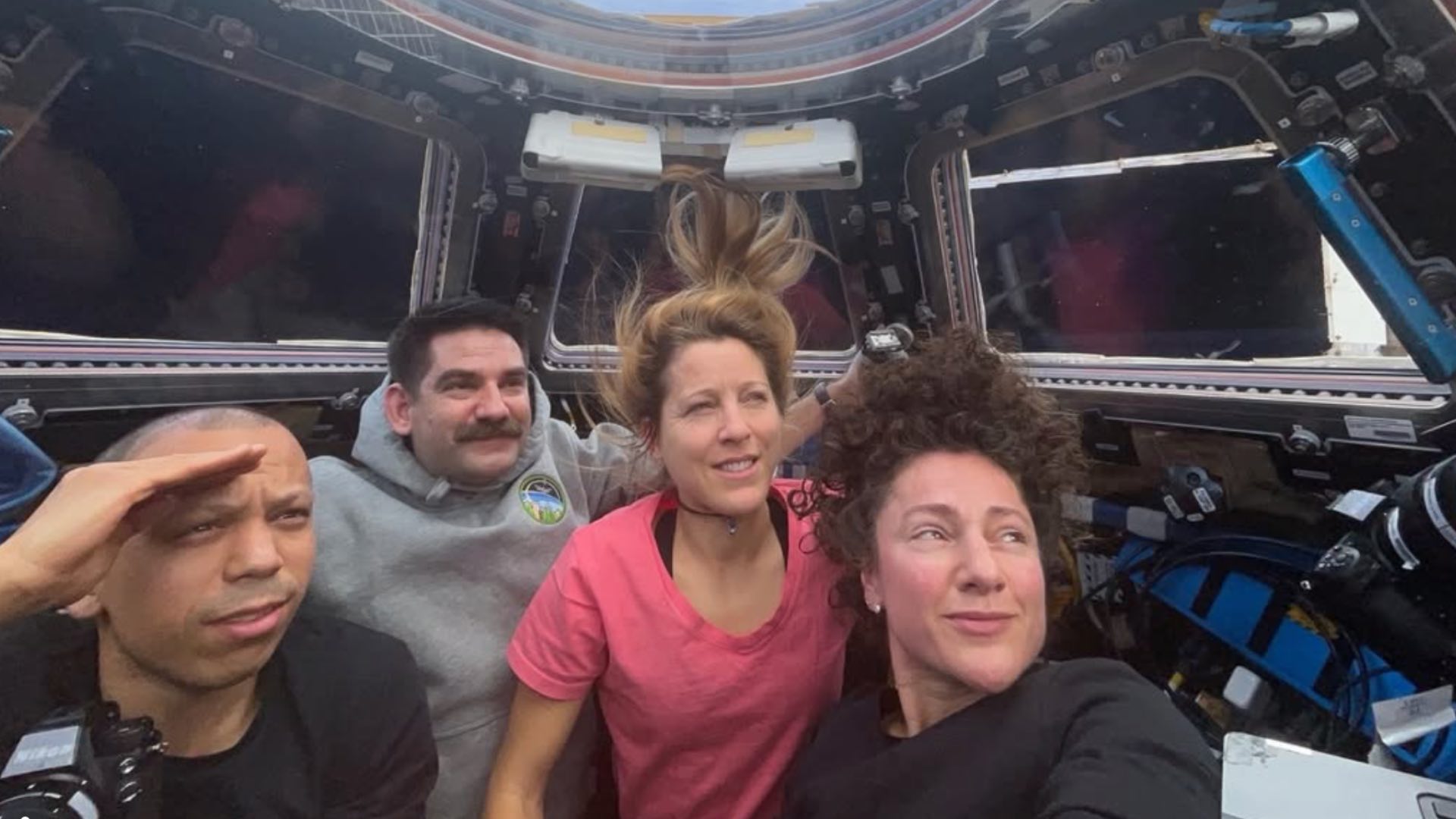
The Artemis II mission, which marked the return of astronauts to lunar orbit, attracted attention for an unexpected reason: the crew's compensation. Despite the historical significance of this journey, the astronauts' salaries remained governed by the US civil service pay scale . This system sparked reactions, with some observers highlighting the gap between the level of expertise required and the associated compensation.
Compensation based on the US federal pay scale
The crew of the Artemis II mission consisted of Reid Wiseman, Victor Glover, Christina Koch, and Jeremy Hansen. Contrary to some misconceptions, NASA astronauts do not receive a specific bonus for a space mission. Their compensation is based on the U.S. public sector pay system, known as the General Schedule (GS). Civilian astronauts are generally classified between GS-11 and GS-15 levels according to their experience and qualifications.
According to publicly available data, this equates to compensation of up to approximately $150,000 per year (around €127,000) for the most experienced professionals. This system does not include any specific bonuses for space missions, including those with a high level of complexity or risk.
View this post on Instagram
A salary that sparks reactions
Astronaut compensation is a frequent topic of public debate, particularly given the responsibilities associated with their role. Some observers believe the salary may seem modest considering the level of expertise required and the risks involved in space missions. Indeed, astronauts selected for the Artemis missions generally have particularly demanding academic and professional backgrounds. Many are experienced engineers, scientists, or pilots, often holding advanced degrees in specialized fields.
Others point out that the astronaut role is rooted in a public service and scientific research ethos, where the primary motivation often lies in contributing to space exploration and advancing knowledge. NASA covers business travel, accommodation, and other mission-related expenses, supplementing the fixed salary.
The continuation of the Artemis program
The Artemis program plans several missions over the next few years to prepare for a sustainable return of humans to the Moon. In the longer term, NASA aims to use these missions as a foundation for developing crewed exploration projects to Mars. Artemis II thus represents a crucial step in the American space strategy, marking the resumption of crewed lunar missions more than fifty years after Apollo.
The compensation of the astronauts on the Artemis II mission has sparked reactions due to the contrast between the mission's importance and the applicable salary structure. Beyond the financial aspect, the Artemis II mission represents a major step forward in space exploration, confirming the ambition to develop a sustainable human presence beyond Earth orbit.