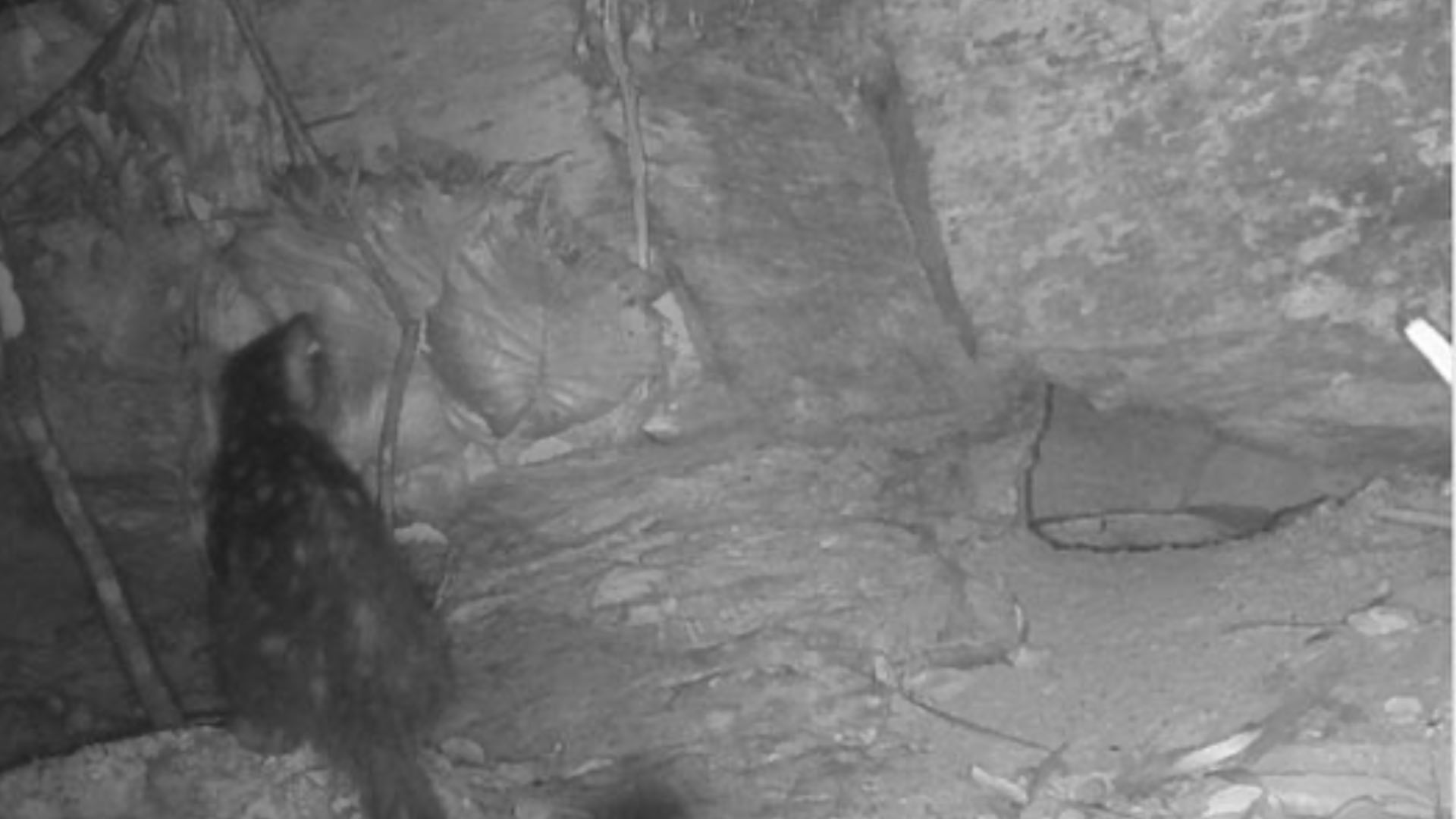
A small marsupial thought to have been extinct for decades has recently been filmed in northern Australia. This rediscovery has rekindled hope for local biodiversity and conservation programs.
A Northern Quoll filmed after more than 80 years of absence
It was in northern Queensland that an automatic camera captured an unexpected sequence in January 2026. The animal identified is the northern quoll, also called the northern quoll cat (Dasyurus hallucatus), a species whose presence had not been confirmed locally for more than 80 years.
The sighting took place in the Piccaninny Plains Wildlife Sanctuary, a reserve managed by the Australian Wildlife Conservancy. Located in the Cape York region, this protected area is dedicated to the preservation of endangered species and the restoration of ecosystems. In a message posted on its social media, the organization described the discovery as "an encouraging sign," emphasizing "the importance of conservation efforts guided by scientific research."
View this post on Instagram
A species weakened by multiple threats
The northern quoll is a small, nocturnal marsupial recognizable by its reddish-brown fur speckled with white, its lighter belly, and its relatively sparse, dark tail. Once widespread in northern and eastern Australia, its populations declined drastically during the 20th century. Several factors explain this decline. The introduction of the cane toad, a highly toxic invasive species, had major consequences: many quolls were poisoned in an attempt to eat it.
In addition to predation by introduced animals such as cats and foxes, fires, and habitat loss and fragmentation, the species is considered locally extinct in some areas. The video captured in January therefore marks the first recent visual evidence of its presence in this specific area in several decades.
A discovery full of hope
For scientists and reserve officials, this rediscovery is highly significant. Nick Stock, manager of the Piccaninny Plains sanctuary, explained that "every rediscovery counts," noting that these sightings justify the efforts made to protect vast natural areas. The video shows only one individual, but it paves the way for further research. Teams on the ground hope to determine if other northern quolls are present in the region and if a small population has managed to survive despite the threats.
A reminder of the fragility of Australian biodiversity
Australia has one of the highest rates of mammal extinctions in the world over the past two centuries. Endemic species, often highly specialized, are particularly vulnerable to rapid changes in their environment. The reappearance of the northern quoll in this region does not mean the species is out of danger. It remains classified as endangered and requires ongoing protection. However, this exceptional video serves as a reminder that, when it comes to biodiversity, some stories are not predetermined. Even after decades of absence, species can quietly survive, provided their habitat is preserved.
In summary, filmed in a Queensland reserve, the reappearance of the northern quoll after more than 80 years of local absence represents a major breakthrough for Australian scientists. While caution remains necessary, this video serves as a reminder of the importance of protecting ecosystems on a large scale.