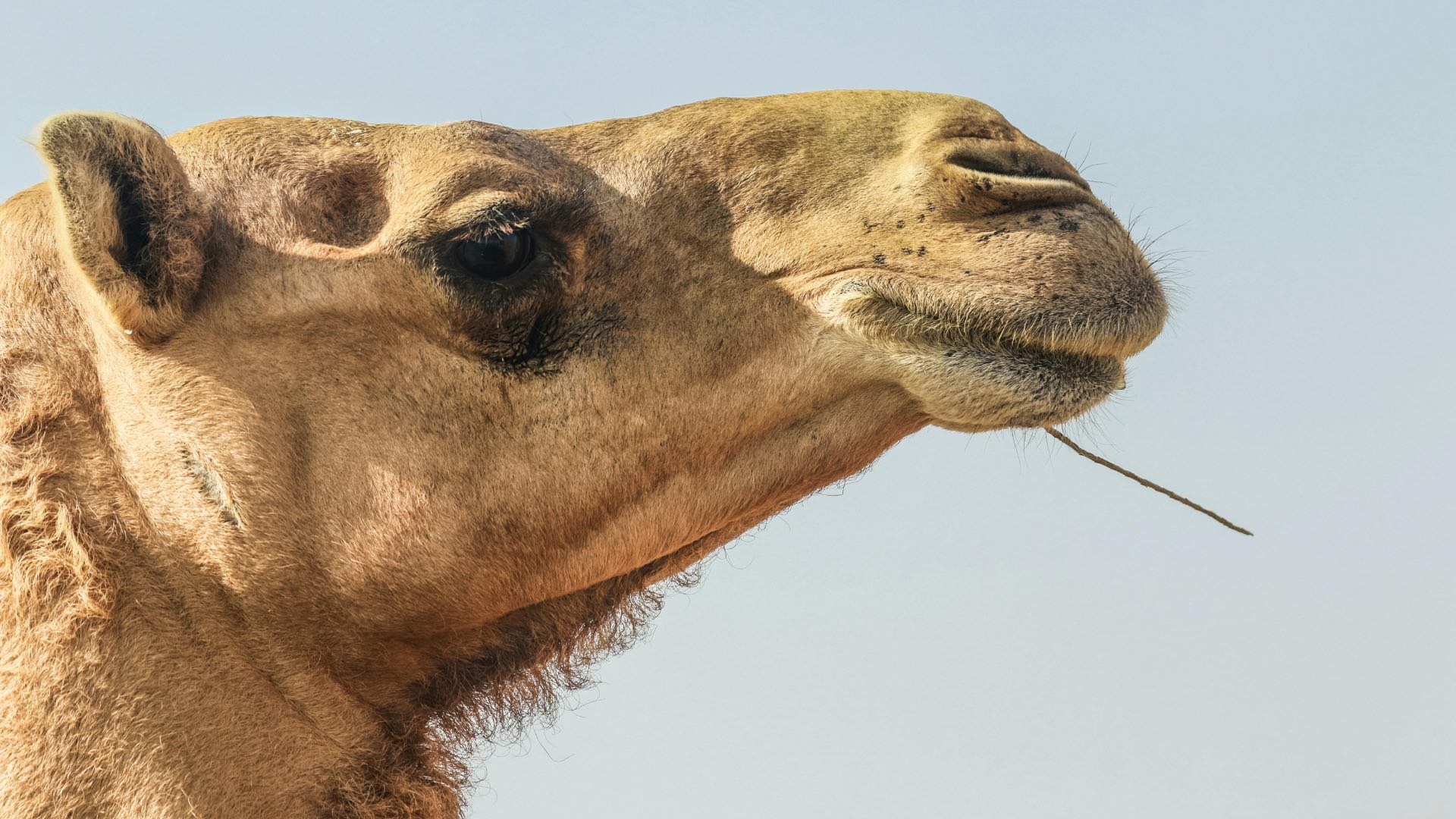
In several Middle Eastern countries, competitions celebrate the appearance of camels. At a recent event, however, about twenty animals were disqualified after the discovery of artificial modifications intended to "enhance their appearance".
Competitions that are very popular with breeders
In several Gulf countries, camel "beauty contests" attract many breeders each year. These very popular events bring together animals bred and presented before a jury tasked with evaluating various aesthetic criteria.
Among the observed elements are the shape of the head, the harmony of the body, the quality of the coat, and the animal's bearing as it parades before the judges. Camels distinguished by their appearance and elegance can then win particularly important awards, sometimes accompanied by substantial cash prizes. In this context, some breeders invest considerable time and energy in preparing their animals for competition.
Cosmetic changes discovered
At a recent event held in Al Musanaa, Oman, veterinarians examining the animals made an unexpected discovery. Several camels showed signs of artificial modifications intended to "improve their appearance".
According to reports in various media outlets, some animals allegedly received Botox or fillers to alter the appearance of their faces or lips. Other procedures were also reportedly performed to accentuate certain physical characteristics particularly valued in this type of competition. Following these investigations, the organizers made a clear decision: 20 camels were disqualified from the competition.
20 camels were disqualified from a beauty contest after being found to have used cosmetic procedures
The treatments included Botox, dermal fillers, and hormone therapy pic.twitter.com/TE8VnP6ndb
— Dexerto (@Dexerto) March 2, 2026
Practices considered to be cheating
In these competitions, the rules are strict. Animals must be presented in their natural state, without any modifications intended to influence their appearance. Botox, hormone treatments, or other cosmetic procedures are therefore strictly prohibited. The organizers consider these practices a form of fraud, since they artificially alter the criteria evaluated by the judges.
Beyond the issue of fairness, competition organizers also emphasize the potential risks to animal health. Some procedures may be performed under unsuitable conditions and lead to complications.
A controversy that has already arisen in the past
This is not the first time this type of scandal has erupted in the world of camel "beauty contests." In 2021, more than 40 animals were disqualified from a major festival in Saudi Arabia after Botox was discovered to alter their appearance.
These incidents have prompted organizers to strengthen veterinary controls before competitions. The aim is to limit attempts at fraud and ensure that animals are presented without artificial intervention.
A debate reignited on the place of animals
These competitions are an important tradition in some parts of the Middle East, where camels hold a significant cultural and historical place. However, these events also attract criticism. Some animal welfare organizations, both in France and abroad, continue to speak out against this type of competition.
They emphasize that camels—and animals in general—should not be considered breeding products or "show animals" raised, trained, or bred solely to win prizes and awards. For these organizations, these competitions regularly reignite a broader debate: the place of animals in our societies and the breeding practices that can develop around the pursuit of performance or aesthetics.
In summary, the recent exclusion of these camels serves as a reminder that behind these "spectacular" events lies a deeper question: how far should we go to celebrate beauty - whether human or animal?