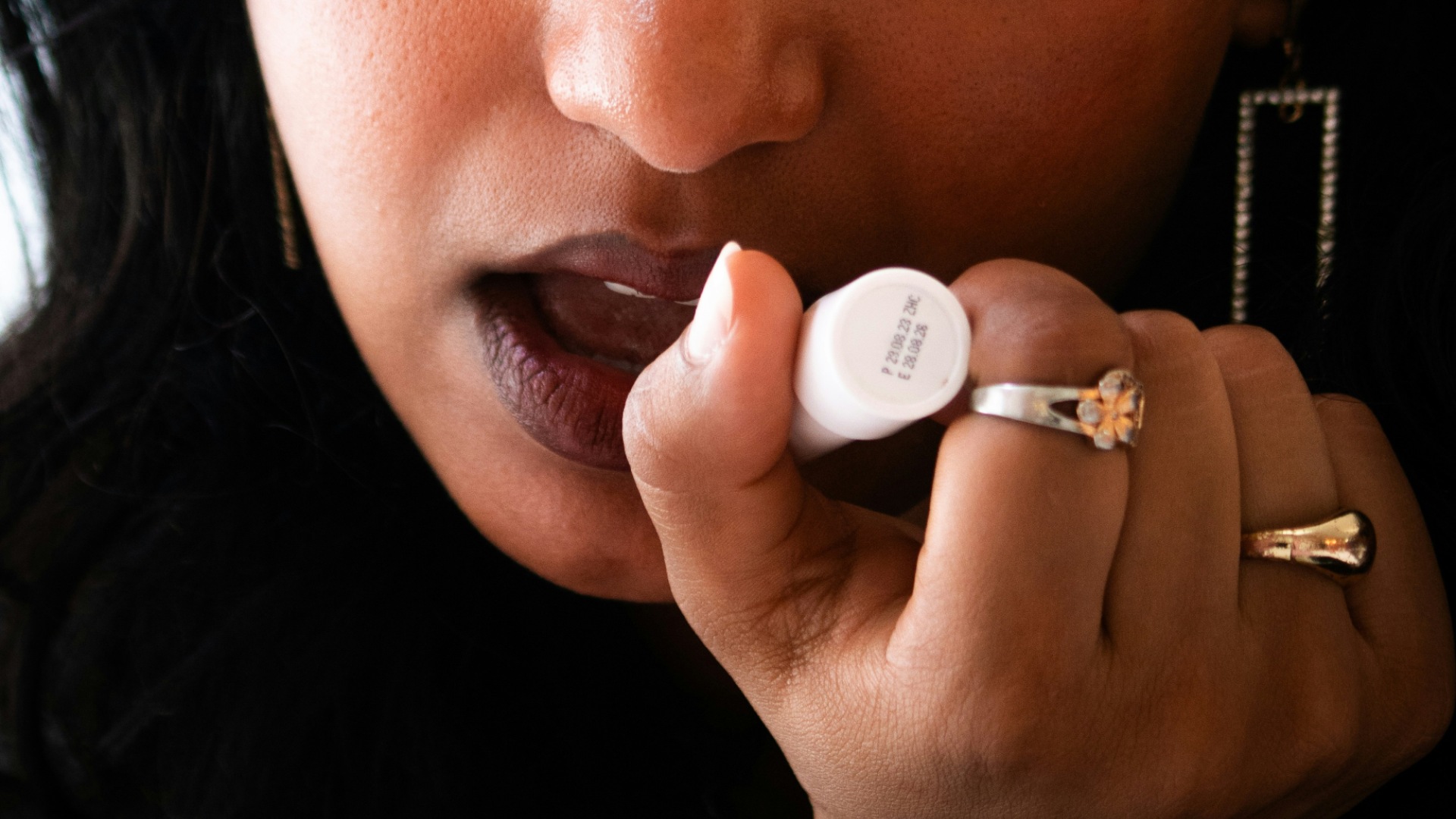
In winter, lips are chapped by the cold. They become rough and stick to gloss and other tinted products. To protect them and keep them soft, you might be layering on lip balm. It's almost an automatic gesture: the stick, your first-aid remedy, is applied to your lips countless times. However, this beauty reflex perpetuates the problem instead of solving it.
Lip balm, yes, but in moderation.
Winter leaves its visible mark. It erodes the skin and also alters the appearance of the lips, which feel rough to the touch and crack painfully. This dryness, beyond being uncomfortable for morning kisses and ruining attempts at flirting with nude lipstick, is the aesthetic burden of winter. A quick anatomical reminder: while facial skin can have up to 16 cell layers, lip skin only has 3 to 5. So you tell yourself you can be a little heavy-handed with the lip balm. It's kind of like your pocket magic wand.
You frantically apply it to your lips, thinking you're repairing the damage caused by the cold. You pull it out of your purse, like a formidable weapon against chilly temperatures. This lip balm kisses your mouth more often than your partner's lips. So much so that you run out in less than a month. It's almost a cosmetic addiction. Yet, this lip balm, which literally becomes an extension of your fingers in winter, doesn't always have the desired effect and can even fail to deliver on its promise of comfort.
In the pages of the newspaper 20 Minutes , dermatologists warn against certain formulas that are too occlusive and greasy for the lips, particularly those containing petroleum jelly, paraffin, or petrolatum. Instead of nourishing and protecting the lips properly, they create an artificial barrier and disrupt the skin's natural function. It's more of a placebo treatment than a real remedy.
Vegetable oils, the best friends of dry lips
Slathering on lip balm all day long isn't exactly an act of tenderness. It's a bad habit. But there's no way you're going to stand by and watch this disaster unfold on your face and neglect your lips in your skincare routine . Experts recommend healthier alternatives, courtesy of Mother Nature. For silky lips and flawless makeup, they suggest products containing shea or cocoa butter, glycerin, or enriched with ceramides.
They also extol the virtues of plant-based oils, which have long been proven in our bathrooms. For healthy lips, you can try jojoba, castor, or marula oil. Unlike chemical formulas, they hydrate the skin without ever suffocating it. They also point out some red flags in the beauty aisle. According to them, mentholated, perfumed, and glittery balms are more marketing gimmicks than solutions to your skin concerns.
These other beauty tips that save the day in winter
Maintaining lip health in the dead of winter requires dedication. Squeezing a lip balm stick across your lips ten times a day won't cure the cold. This beauty gimmick, the mantra of cool girls in Uggs and designer puffer jackets, offers no real benefit to your skin. Sure, it might be a trendy move to slather on Rhode lip balm, but your lips will be sorely lacking in nourishment.
In winter, a truly effective lip routine can be built around a few key products. Start with a gentle scrub once or twice a week, such as Fresh Sugar Lip Polish or Lush Lip Scrub, to remove dead skin. Then, moisturize and repair daily with a rich balm like CeraVe Healing Ointment, Aquaphor Lip Repair, or Burt's Bees for daytime use. Finally, in the evening, opt for an intensive treatment like Laneige Lip Sleeping Mask or Summer Fridays Lip Butter Balm to deeply nourish your lips overnight.
Before going out, a balm with SPF like EltaMD UV Lip Balm or Supergoop! Lipscreen also helps to protect lips from wind, cold and UV rays, so they stay comfortable all winter.
Applying lip balm every second is a waste of time. It's better to do less, but better. That's a beauty philosophy that works, no matter the area you're pampering.