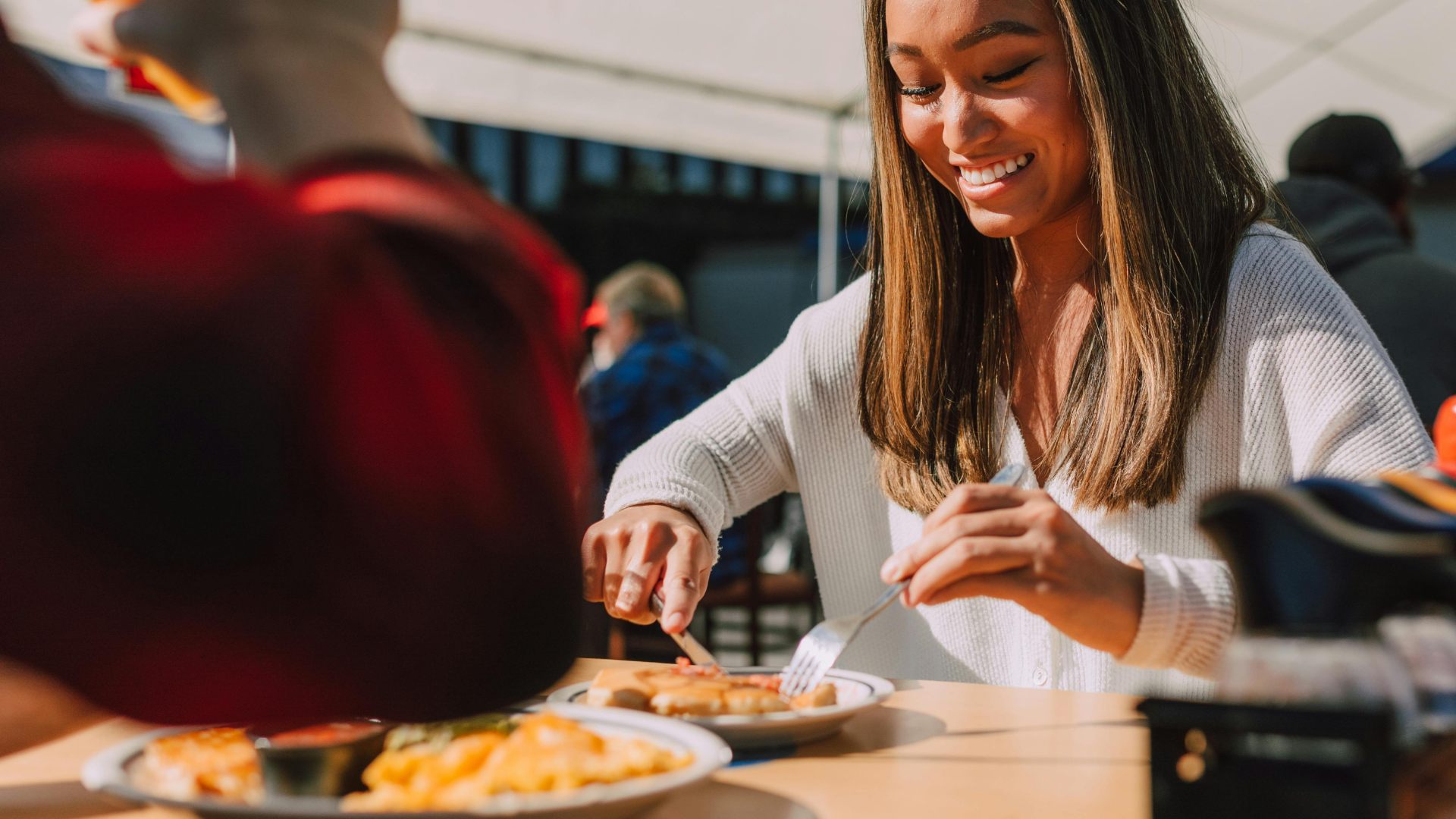
You may have already observed it or even tried it yourself: this trend involves bringing your own meal to a restaurant, carefully prepared and packed in an airtight container, to enjoy on-site. Far from being a mere fad, this behavior reflects a profound shift in customer expectations, balancing controlled enjoyment with accepted budget constraints.
When the wallet and the body dictate the menu
Two main drivers explain this phenomenon . First, the search for savings. In a context of rising prices and where every outing puts a greater strain on the budget, some customers prefer to limit their spending while still enjoying the warm atmosphere of a restaurant. They order a drink, sometimes a dessert, and view the establishment as an accessible space for socializing, even suggesting they pay a "table charge."
Then there's the nutritional aspect. Bodybuilders and those following specific diets want to control exactly what they consume. Precisely measured portions, balanced intake, carefully selected foods: their meals are designed to boost energy and performance. Faced with menus they deem unsuitable, they opt for the security and satisfaction of preparing their own meals.
A practice that divides opinion: freedom or misstep?
On social media , particularly TikTok, the debates are heated. Some people enthusiastically defend this habit, seeing it as a form of modern, uninhibited freedom: why deprive yourself of a pleasant moment just because everything costs more? Others see it as a breach of etiquette, or even a lack of respect for professionals.
On the restaurant owners' side, reactions are often tinged with incomprehension. Chefs recount some rather baffling situations: a customer who shreds his homemade roast chicken over a salad he ordered, another who brings out a dessert alongside a simple carafe of water. For them, seeing outside dishes take precedence can be perceived as a devaluation of their expertise.
Between adaptation and red lines
Faced with the rise of this practice, some professionals are seeking constructive solutions. The idea of a paid "dish fee," inspired by the corkage fee for wine, is circulating. However, many are setting clear limits: occasional tolerance for a specific outside item, but a categorical refusal for complete meals. The issue is not merely economic; it touches on the very identity of the restaurant and the balance between hospitality, respect, and viability.
A movement that transcends borders
This phenomenon is not isolated. In San Francisco and other major cities, the BYO (Bring Your Own) food concept is growing, particularly among athletes or people with strict dietary restrictions. Everywhere, the same question arises: is the restaurant a turnkey service or a hybrid space where everyone creates their own experience?
Ultimately, this trend reveals a transformation of social norms. Between innovation and "provocation," it invites restaurateurs and customers to redefine the rules of the game together, through dialogue, creativity, and mutual respect.