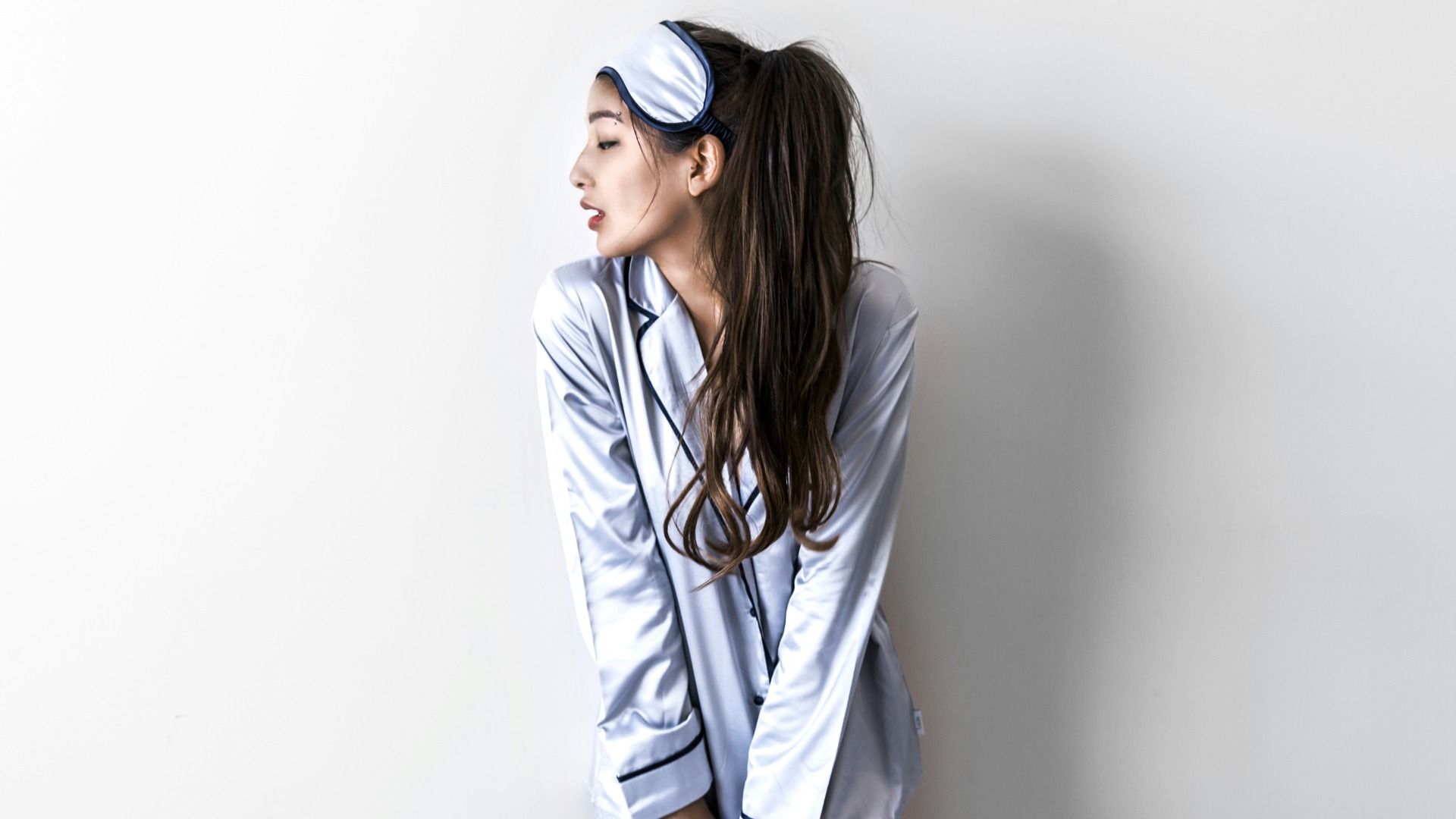
You might think your sleepwear is just a practical detail. Yet, this discreet choice says a lot about your relationship with your body, your comfort, and your intimacy. Whether it's a reassuring cocoon, a confident look, or total freedom, your nights also tell a story.
Nightwear, a mirror of your intimate space
Unlike daytime clothes, designed for the outside world, sleepwear belongs to a more personal realm. It accompanies the moment when you step out of your social roles and return to yourself. The fabric you choose, the cut that makes you feel comfortable, the way the garment gently or fluidly hugs your curves: all of this speaks to how you inhabit your body.
@emmadenaive What's your favorite pajama style? ❤️ Pajamas* @LILYSILK Kimono bought in Japan *gifted #pajamas #cocooning #loungewear #imageconsulting ♬ Original sound - Emma Denaive
Those who love the cocoon: softness and security
If you prefer loose-fitting, covering, and soft outfits, you may be primarily looking for a feeling of being enveloped. Thick cotton, warm flannel, soft knit: these materials create a true cocoon around you.
This choice may reflect a need for security and stability. Your outfit marks a clear transition between the outside world's hustle and bustle and a calmer environment. It structures your bedtime ritual and offers a reassuring bubble where your body can fully relax.
Playful patterns or outfits inspired by childhood don't reflect regression, but rather an attachment to gentleness and lightness. You cultivate a form of tenderness towards yourself, and that's a beautiful demonstration of self-esteem.
Nighttime elegance: continuity and affirmation
Conversely, if you opt for flowing nightgowns, satin sets, or more fitted styles, your sleepwear can seamlessly blend into your daytime look. Even in the privacy of your own home, you like to feel aligned with your aesthetic.
Choosing a more sophisticated piece doesn't necessarily mean trying to seduce. It can simply reflect a positive relationship with your body, a desire to celebrate your physique and your presence. You're affirming that your figure deserves to be showcased, even away from prying eyes. When the bed is shared, the relational dimension can come into play. Clothing then becomes a subtle language: sometimes intimate and comfortable, sometimes expressive and assertive.
The favorite t-shirt: freedom above all
Perhaps you're one of those people who sleep in an old t-shirt, comfy shorts, or a mismatched outfit chosen without a second thought. This spontaneous approach to sleepwear can reflect a pragmatic personality.
For you, the essential thing is simple: to feel good in your body, without constraints. You place little importance on aesthetic standards in your private life. This freedom can also be a form of authenticity. You prioritize immediate sensation over image.
Sometimes, mixing styles even becomes a form of expression. Combining an antique piece with a more recent one can convey subtle creativity, a way to express your individuality, even when no one is watching.
Materials, the language of the senses
Your sensitivity to textures also says a lot. If you carefully choose soft, breathable, or flowing fabrics, you may be attentive to detail and sensory well-being.
Silk, satin, lightweight cotton: these materials can be chosen for the pleasure they provide against the skin as much as for their aesthetic appeal. This attention to touch often reflects a deep connection to your body and your sensations.
Conversely, if you keep worn or very simple clothes, it doesn't necessarily mean you lack self-esteem. It all depends on the context. It could simply indicate that, for you, functionality takes precedence over appearance.
Sleeping with nothing on: freedom incarnate
Finally, some people choose to sleep naked. This choice can reflect a search for bodily freedom, a desire for unrestricted movement, or a need for coolness. Sleeping without clothes can also reflect a more peaceful relationship with one's body. You accept your figure as it is, in its natural state. It's a way to reconnect with your sensations, without the filter of clothing.
Ultimately, there's no "right" or "wrong" way to dress for sleep. Each option primarily reveals what you're looking for: security, comfort, self-expression, freedom, or simplicity. Observing your nighttime habits can offer interesting insights into your personality. The essential point, however, remains the same: to feel good, respected in your body, and in harmony with your needs. Because even in the silence of the night, your comfort deserves your full attention.