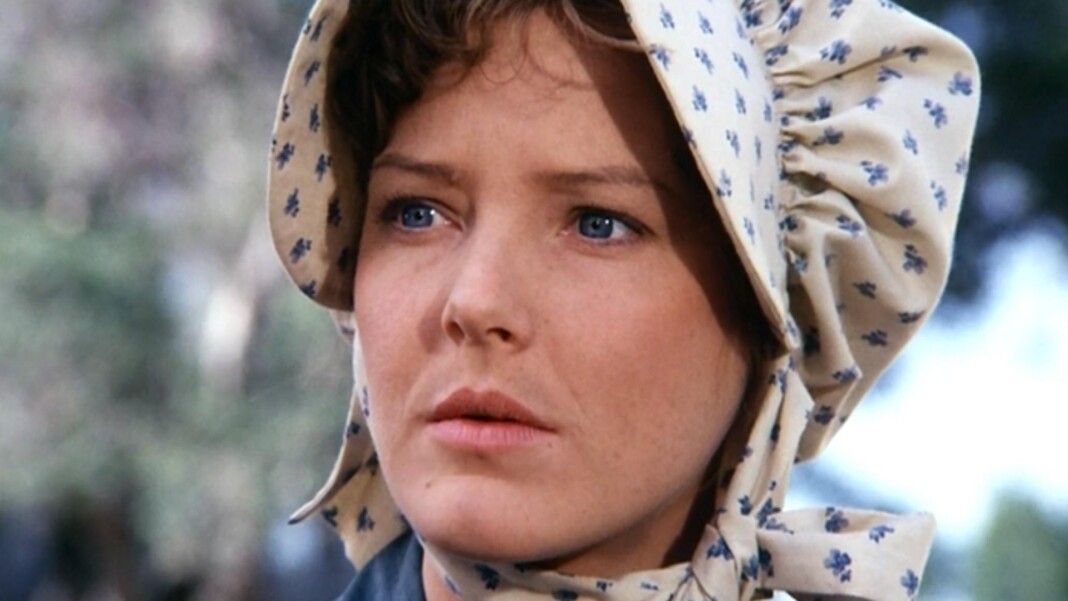
American actress Pamela Roylance recently shared a memorable experience related to her audition for the cult series "Little House on the Prairie." A guest on a podcast hosted by Patrick Labyorteaux , himself a former actor on the show, she discussed the physical expectations she faced when auditioning for the role of Sarah Carter.
A testimony on beauty standards in Hollywood
According to her testimony, Pamela Roylance was encouraged to lose weight to better fit the character's aesthetic. She explains that she was told, "You're talented and I want you back, but you're a little too big for the prairie. You need to be a little thinner." At the time, Pamela Roylance was working part-time in a chocolate factory while pursuing her acting career, hoping to land a major role. She explains that the prospect of participating in this series represented a significant opportunity in her professional development.
A defining role in an iconic series
Airing between 1974 and 1983, "Little House on the Prairie" remains one of the most popular series on American television. Inspired by the novels of Laura Ingalls Wilder, the show follows the life of a family living in the Midwest during the 19th century. Pamela Roylance joined the cast in the ninth season, playing Sarah Carter, a character introduced in the final stages of the series.


The actress explained that she ultimately agreed to alter certain aspects of her appearance to increase her chances of landing the role. She emphasized the importance of this opportunity, which she considered a major career goal. Creator and actor Michael Landon, a central figure in the program, reportedly then endorsed her participation in the project.
A reflection on the demands of the industry
Pamela Roylance's testimony sheds light on the long-standing aesthetic standards in the entertainment industry, particularly for women. Today, these issues continue to fuel discussions about the representation of bodies on screen and the evolution of attitudes in the audiovisual sector. Many public figures are now speaking more freely about their experiences, contributing to a broader reflection on diversity and inclusion in the industry.
Looking back, Pamela Roylance considers this period a pivotal moment in her career. Her role in "Little House on the Prairie" allowed her to participate in a now-iconic work, while also illustrating the sometimes demanding realities of the artistic world. This account serves as a reminder of the industry's gradual transformations, where representational standards are receiving increasing scrutiny.