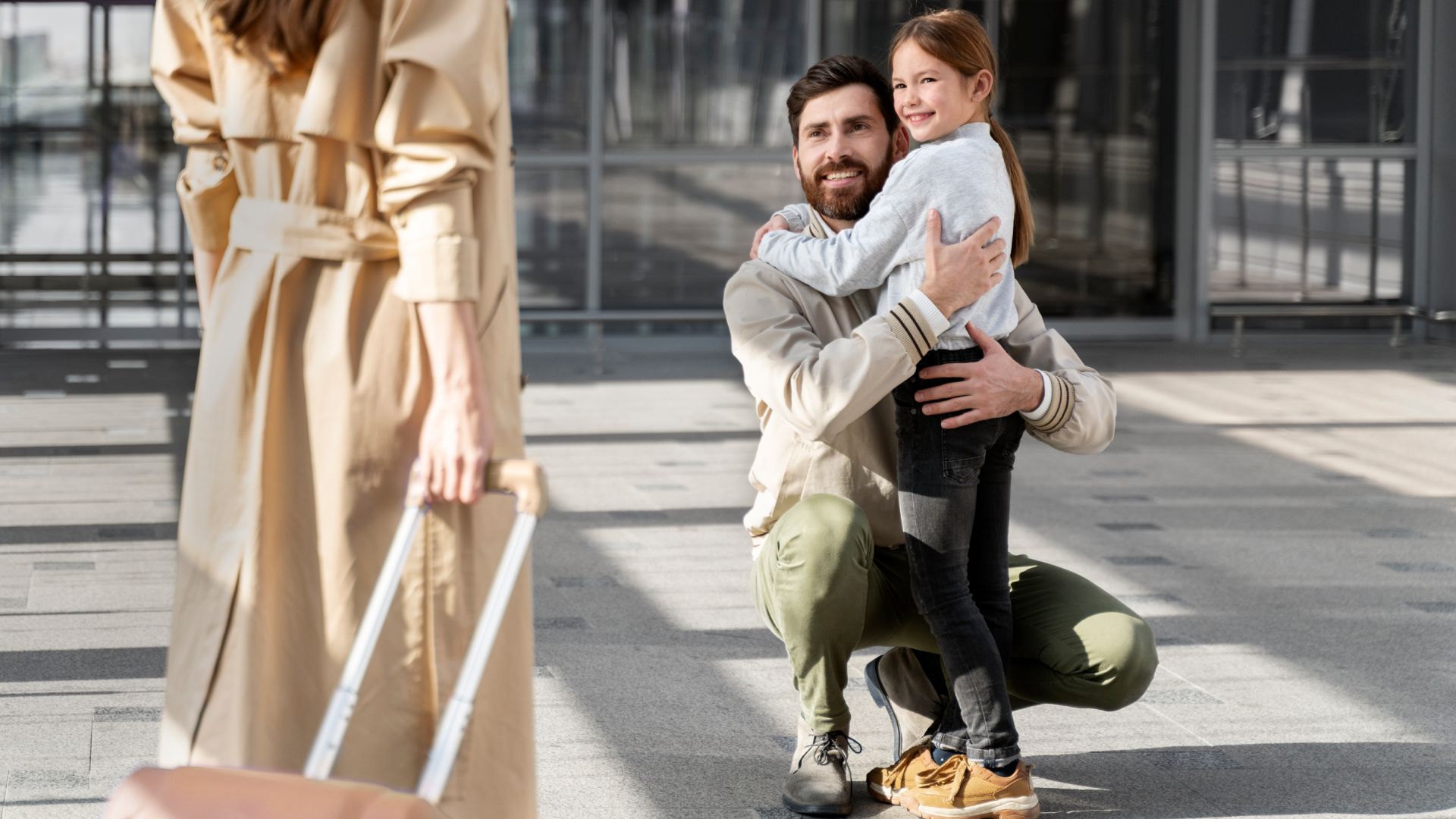
Many parents secretly dream of it: a vacation without squabbles in the backseat or tantrums on the hot sand. A peaceful getaway where they can lounge all day on a deck chair, sip cocktails overlooking the sea, and go hiking without having to stop every two minutes. Except that those who leave their children with grandparents to spend their summer holidays as a couple are often labeled "unfit parents" or "selfish." Yet, taking a vacation without children isn't forbidden.
Finding oneself as an adult, not just as a parent
There are desires we don't always dare to voice aloud, like wanting a peaceful vacation or soaking up the summer sun somewhere other than crowded water parks. Parenthood takes up so much space that we can sometimes forget who we are outside of that role. Going away without the kids allows us to reconnect with ourselves: our tastes, our spontaneous desires, our rhythms. Sleeping without an alarm, deciding on our itinerary at the last minute, or deciding nothing at all… that's also part of being an adult.
Slowing down without permanent logistics
Family vacations are often wonderful, but rarely truly restful. Menus need to be planned in advance, taking into account the demands of our little food critics, and all the kid-friendly activities nearby need to be listed. But above all, we need to think about our children's needs. Between meals, packing bags, keeping to a schedule, and dealing with unexpected events, our brains are constantly in planning mode. Even when we think we can finally settle down with a book on the sun lounger, the children quickly disrupt our peace and quiet. This is because they demand a great deal of emotional attention. Without children, the mental load decreases significantly, and rest becomes deeper, more genuine.
Nourishing the couple (or close relationships) in a different way
When you have a child, a couple often switches into "coordination mode." Going away together can allow you to reconnect in a different way: to talk without interruption, laugh more freely, and share new experiences. It's not about "withdrawing from the family," but rather about strengthening the bond that sustains it. The idea isn't to "go back to how things were before," but rather to learn to see the partner beyond the father figure and to reconnect outside of family obligations.
To truly rest (physically and mentally)
Yes, holidays are also for recharging. Except that with young children around, rest remains a distant dream. It's like a mirage in the desert: a fleeting illusion. You're constantly on high alert from morning till night. It's hard to find peace and quiet when a child enjoys putting seashells in their mouth. Sometimes you have to admit that complete rest is more attainable without immediate responsibilities. Sleeping in late, long walks, improvising… the body and mind recover differently when they aren't constantly being stimulated.
Better to come back (and sometimes even more available)
Taking a vacation without children can evoke intense guilt. It feels like abandoning your offspring or sacrificing precious family time. However, taking a break doesn't create a void; on the contrary, it can allow you to return more patient, more relaxed, and more present. Rest isn't a luxury opposed to parenthood; it's often a way to better navigate it afterward.
To show that having needs is normal
Allowing yourself time for yourself is also a way of passing on something: the right to exist outside of constant performance. Children lose nothing by seeing their parents take care of themselves. On the contrary, it can teach them that everyone needs space to breathe. Of course, it's best to be tactful and explain that it's nothing "personal." It's not a way to punish them or make them pay for their mistakes; it's more a way to strengthen the family. We're giving them the example of adults who prefer to prioritize their own well-being rather than making children scapegoats.
Going away without children doesn't diminish parental love. Nor does it say anything about the quality of a parent. It simply says this: being a parent doesn't erase who you are. And what if, instead of feeling guilty, we considered these holidays as a possible balance rather than a shameful exception?