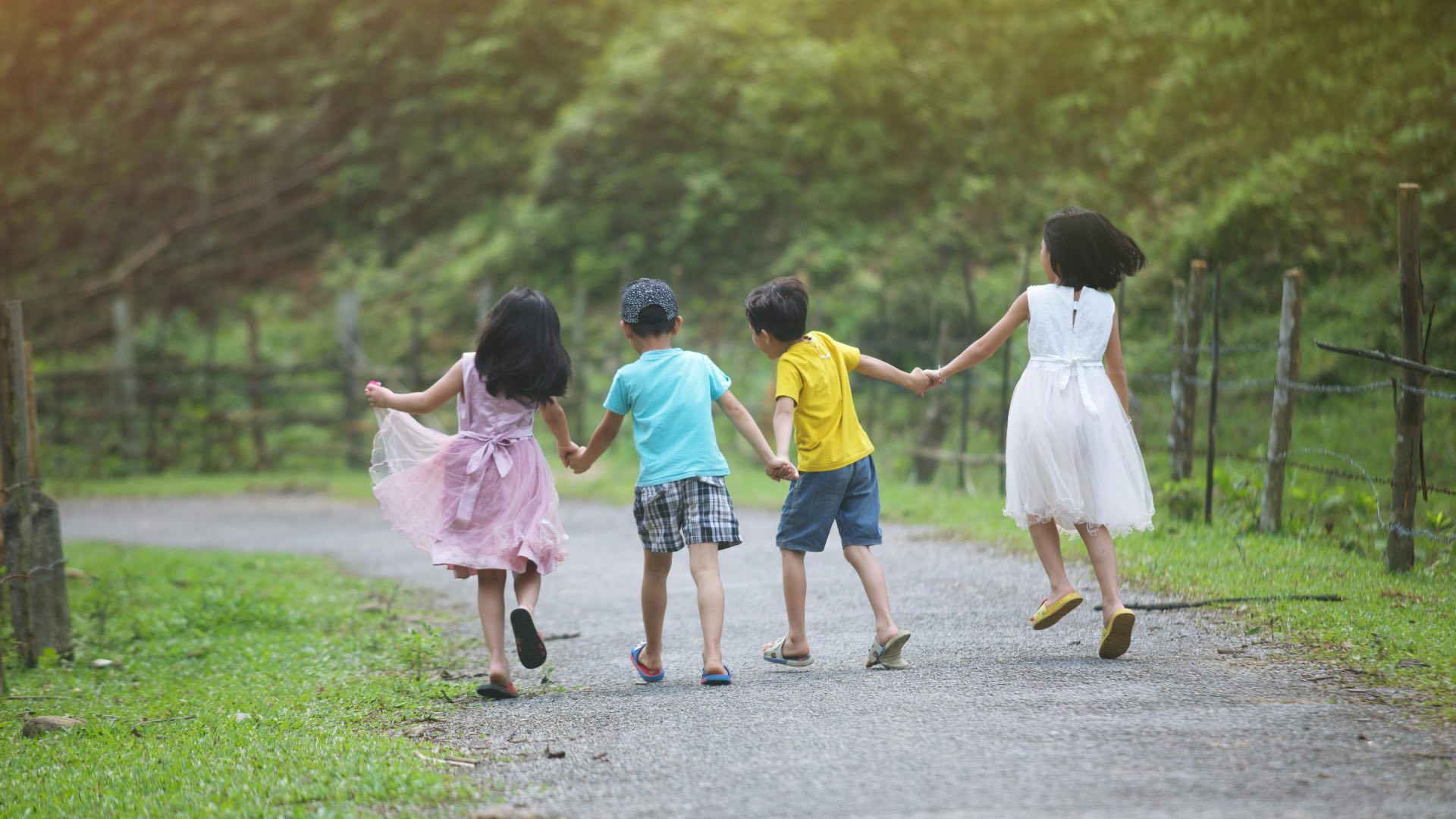
In a family, each child brings their own set of challenges, but it seems that being the youngest is the most demanding for parents. According to several studies in developmental psychology , the last-born child possesses characteristics that place a greater strain on parental patience, energy, and emotional resources.
Autonomy acquired later in life
The youngest child grows up in an environment where their older siblings are already independent. They often benefit from extended support in their learning: toilet training, meals, dressing, etc. For parents, however, this means starting a cycle they've already gone through, sometimes with considerable fatigue. This fresh start increases the mental load, especially since expectations of themselves remain high.
More frequent emotional storms
Less supervised than their older siblings, the youngest child often expresses their emotions more intensely. Tantrums, tears, frustrations: studies show that these episodes tend to last longer than in older children. Parents must constantly intervene to regulate, comfort, and redirect, which leads to long-term psychological strain.
Sustained attention is difficult to maintain
While parents can relax their vigilance somewhat with older children who have become more independent, the youngest child once again requires constant attention. This need to be constantly engaged, after several already intense years, creates a feeling of regression that weighs heavily on daily family life.
A permissive dynamic that is a source of tension
With the youngest child, the rules sometimes seem more relaxed. Whether out of weariness or special affection, parents may adopt a more tolerant attitude. However, this relative "laxity" creates dilemmas: is it really necessary to intervene? Is it unfair to the older siblings? These questions generate guilt and sometimes tension among the siblings.
Why older people seem "easier"
The first child generally benefits from parents who are well-rested, available, and often very involved. Subsequent children grow up in a dynamic of sharing, a mix of rivalry and closeness. The youngest child, however, often arrives at a time when parental energy is waning. The combination of their position in the family and the strained family environment exacerbates the difficulties they experience.
In short, while each child presents their own challenges, the youngest seems to occupy a special place in the family dynamic. Understanding these mechanisms not only allows for a better grasp of daily difficulties but also highlights the importance of tailored support, ensuring that siblings remain a place of growth and close bonds, despite the challenges inherent in each child's position.