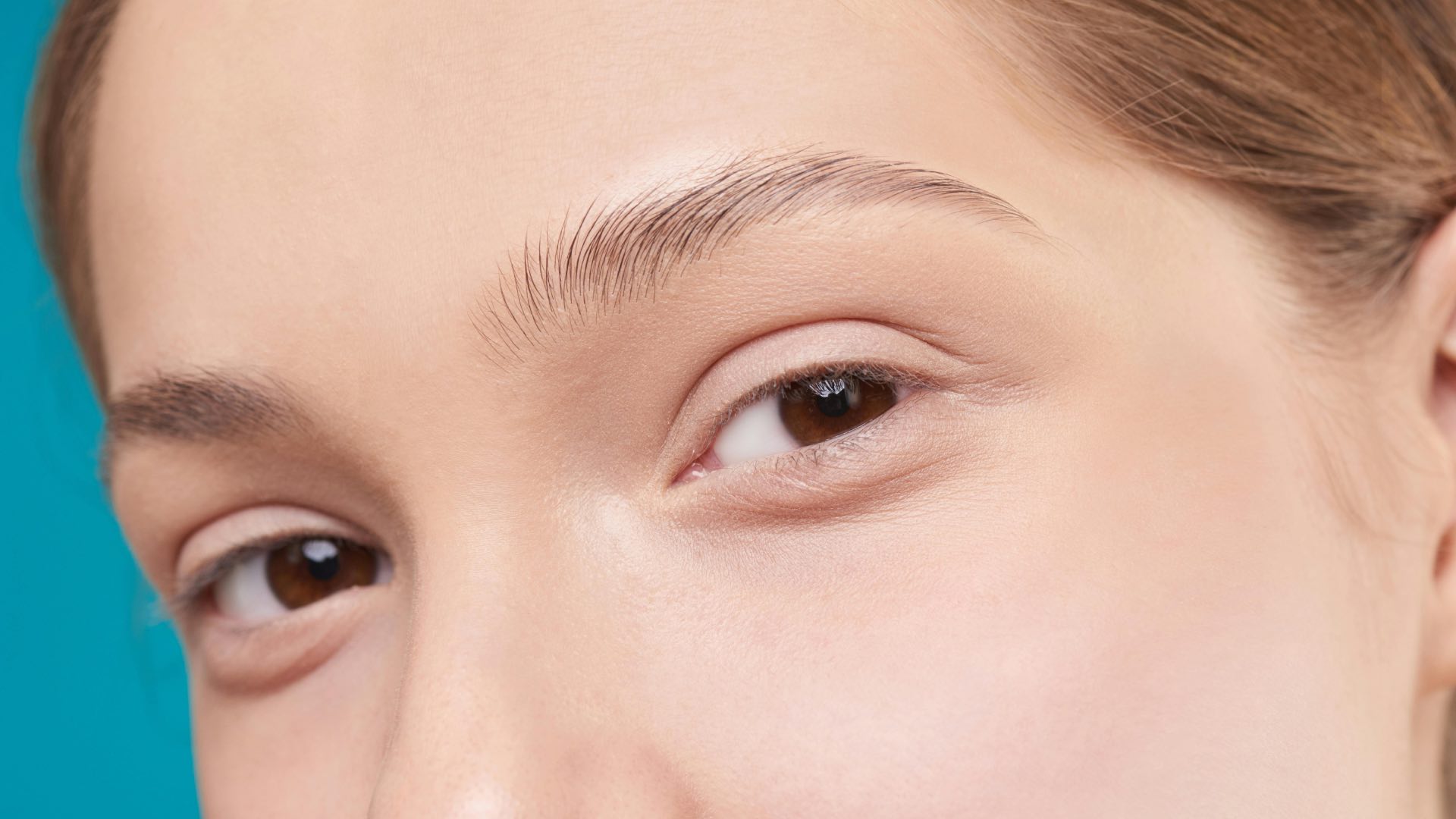
Does your eyelid suddenly start twitching on its own? This small, involuntary fluttering can be surprising, sometimes annoying, or even worrying. However, in the vast majority of cases, this phenomenon is harmless and disappears spontaneously.
A scientific name for a very common problem
This trembling has a medical name: eyelid myokymia. It involves small, involuntary contractions of the muscles around the eye. Most often, it affects the lower eyelid, but the upper eyelid can also be involved. These spasms are generally:
- localized to one eye
- intermittent workers
- painless
- short duration, from a few seconds to a few minutes
Sometimes these heartbeats recur over several days, or even a few weeks, without indicating a serious problem.
Why is your eyelid acting up?
In most cases, this symptom is related to everyday factors rather than an illness.
Stress and fatigue
This is the star duo of triggers. During periods of mental tension or overload, the nervous system sometimes becomes more sensitive. As a result, muscles can react with small, involuntary contractions. Lack of sleep also plays a significant role. A tired body can become more reactive, including in the eyelids.
Too much coffee or stimulants
Caffeine stimulates the nervous system. Consuming strong coffees, intense teas, or energy drinks in quick succession can contribute to these minor spasms.
Repeating screens
Computer, phone, tablet… your eyes work hard all day. Prolonged exposure to screens can lead to eye strain and sometimes dry eyes, two factors that can trigger eyelid twitching.
Dry eyes
When the eye lacks lubrication, irritation can occur. This happens more often with air conditioning, dry heating, contact lenses, or long hours in front of a screen.
How long does it last?
Good news: eyelid myokymia usually disappears on its own within a few days. It can sometimes recur intermittently for several weeks, but remains benign if:
- It remains limited to the eyelid.
- she doesn't close her eye completely
- It is not accompanied by any other symptoms
Often, getting better sleep, slowing down the pace or reducing stimulants is enough to calm the situation.
When should you consult a doctor?
Although this phenomenon is usually harmless, some signs warrant medical attention. Consult a healthcare professional if:
- The spasms persist for several weeks without improvement.
- the eye closes involuntarily
- other areas of the face contract
- pain, redness or swelling appears
- You notice visual disturbances
In rare cases, more pronounced and persistent contractions may correspond to blepharospasm, which requires specific management.
Should we be worried about a neurological disease?
It's a common concern, but a simple, isolated eyelid twitch is rarely linked to a neurological condition. Some pathologies may include muscular symptoms, but when it's just an eyelid twitch without any other associated signs, the cause is most often benign. In other words: this symptom is alarming, but it generally doesn't indicate anything serious.
How to relieve this minor nervous tic?
A few simple steps can help your body and eyes regain their calm:
- sleep enough
- reduce coffee, tea or stimulant drinks
- Take regular screen breaks
- Apply the 20-20-20 rule: every 20 minutes, look into the distance for 20 seconds.
- Blinking deliberately to promote hydration
- Use artificial tears if needed, with advice from a pharmacist.
Relaxation techniques, such as deep breathing or meditation, can also be helpful if stress is the cause.
In short, eyelid twitching is often a subtle signal from the body: fatigue, strain, overworked eyes. Nothing to be ashamed of, nothing to be alarmed about. Most of the time, a few adjustments are enough to get everything back to normal. And if it persists or bothers you significantly, a healthcare professional can reassure you and guide you.