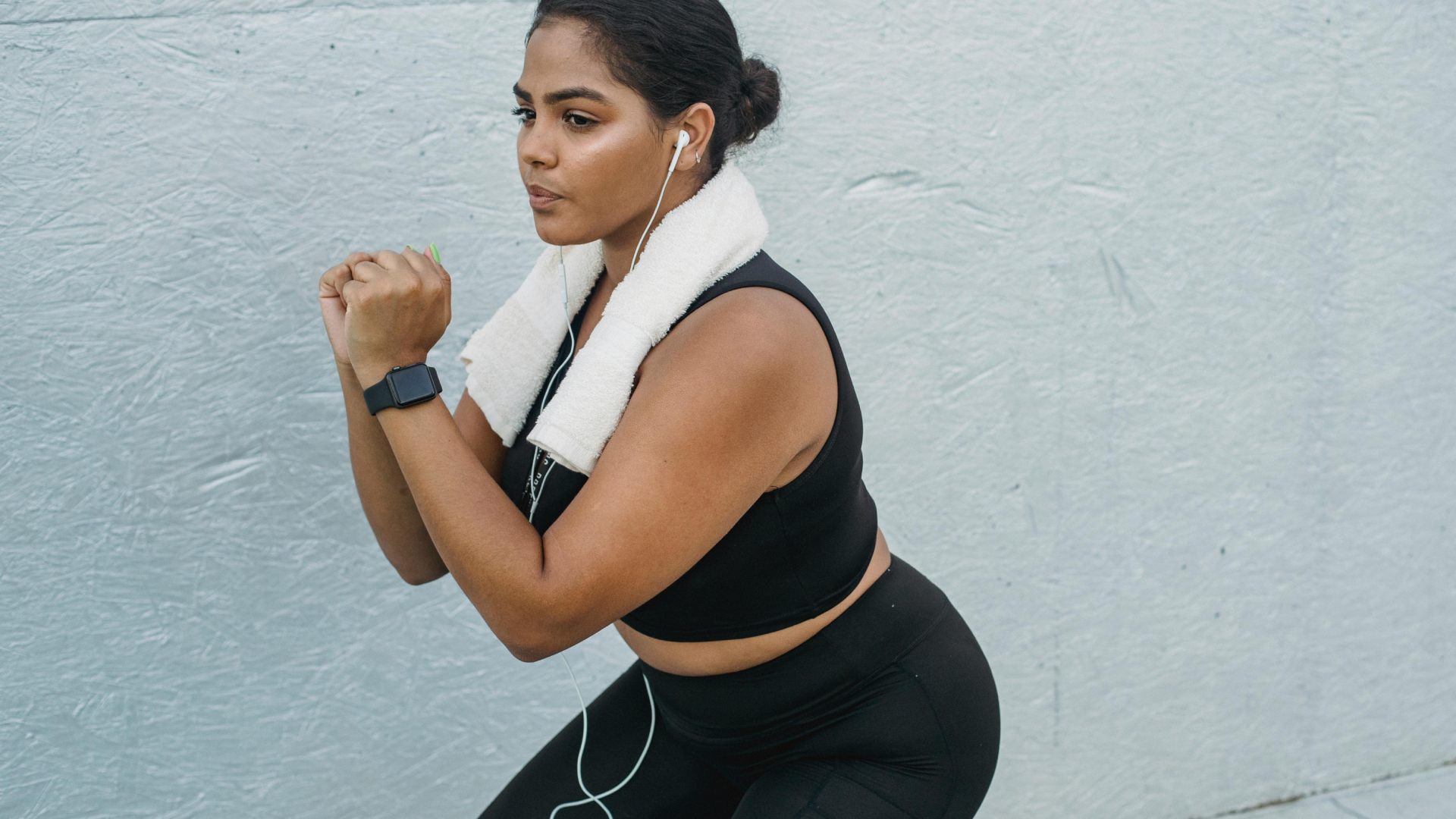
Sweating profusely in a room heated to 40°C? The idea might seem surprising… and yet, it's attracting more and more followers. Between well-being, pushing personal limits, and new sensations, so-called "hot" disciplines are emerging as the new fitness obsession.
When fitness goes into "intense heat" mode
The concept is simple: to do physical activity in a room heated to between 35 and 40°C. Initially popularized with "hot yoga," this format has diversified considerably. Today, you can try "hot Pilates," muscle strengthening, or even infrared sessions.
In major cities especially, specialized studios are multiplying, capitalizing on the desire for different sporting experiences. And it has to be said: training in intense heat completely changes the sensations. Enthusiasts often describe a feeling of deeper, almost enveloping effort, as well as total immersion in their practice. Here, your body is at the center of the experience, in all its power and adaptability.
What heat changes in your body
Exercising in a hot environment is not without its risks. Body temperature rises, triggering a natural mechanism: sweating. This is how your body regulates its temperature. This increase in temperature can also give a feeling of more supple muscles, which explains why these practices are particularly appealing to fans of yoga or stretching.
However, beware of misconceptions: sweating more doesn't necessarily mean "eliminating more toxins." It's primarily a loss of water and minerals. In other words, your body is simply doing its job of maintaining balance. Hence the crucial point: hydration. Before, during, and after your workout, drinking water isn't optional; it's essential.
A trend boosted by social media
The current explosion in popularity of these disciplines is no accident. On TikTok and Instagram, videos of "hot" workouts are racking up views. Dim lighting, bodies in motion, glistening sweat: everything is there to create a modern wellness aesthetic. This content promotes a vision of sport that is both intense and almost meditative.
Internet users are increasingly drawn to these hybrid experiences, a blend of physical exertion and personal time. Sport is no longer just about performance: it's also becoming a space to reconnect with your body, without pressure, at your own pace.
Precautions that should not be overlooked
While the trend is appealing, it's not suitable for everyone. The heat can pose an additional challenge to the body. Experts recommend being especially careful if you are sensitive to heat or have certain health conditions. In some cases, medical advice may be helpful before starting.
Starting gradually is also essential. There's no point in trying to "push through it at all costs": your body isn't a machine, but a valuable ally. Listening to it remains the best way to progress safely. Unusual fatigue, dizziness, or feelings of discomfort are signals to take seriously. Adjusting the intensity, taking breaks, and paying attention to your body's signals is crucial.
A new way of thinking about well-being
Beyond the heat, this trend reflects a broader evolution. Today, many people are seeking activities that combine movement, pleasure, and well-being. "Hot" disciplines fit into this dynamic: they offer a more sensory, more immersive approach, where your body is valued for what it is capable of feeling and expressing. There's no need to be perfect or ultra-high-performing. What matters is your experience, your feelings, your way of inhabiting your body.
Ultimately, exercising in 40°C heat isn't mandatory, nor is it a miracle solution. It's one option among many, worth exploring if it appeals to you. The most important thing is to choose an activity that makes you feel good, while respecting your body and its limits.