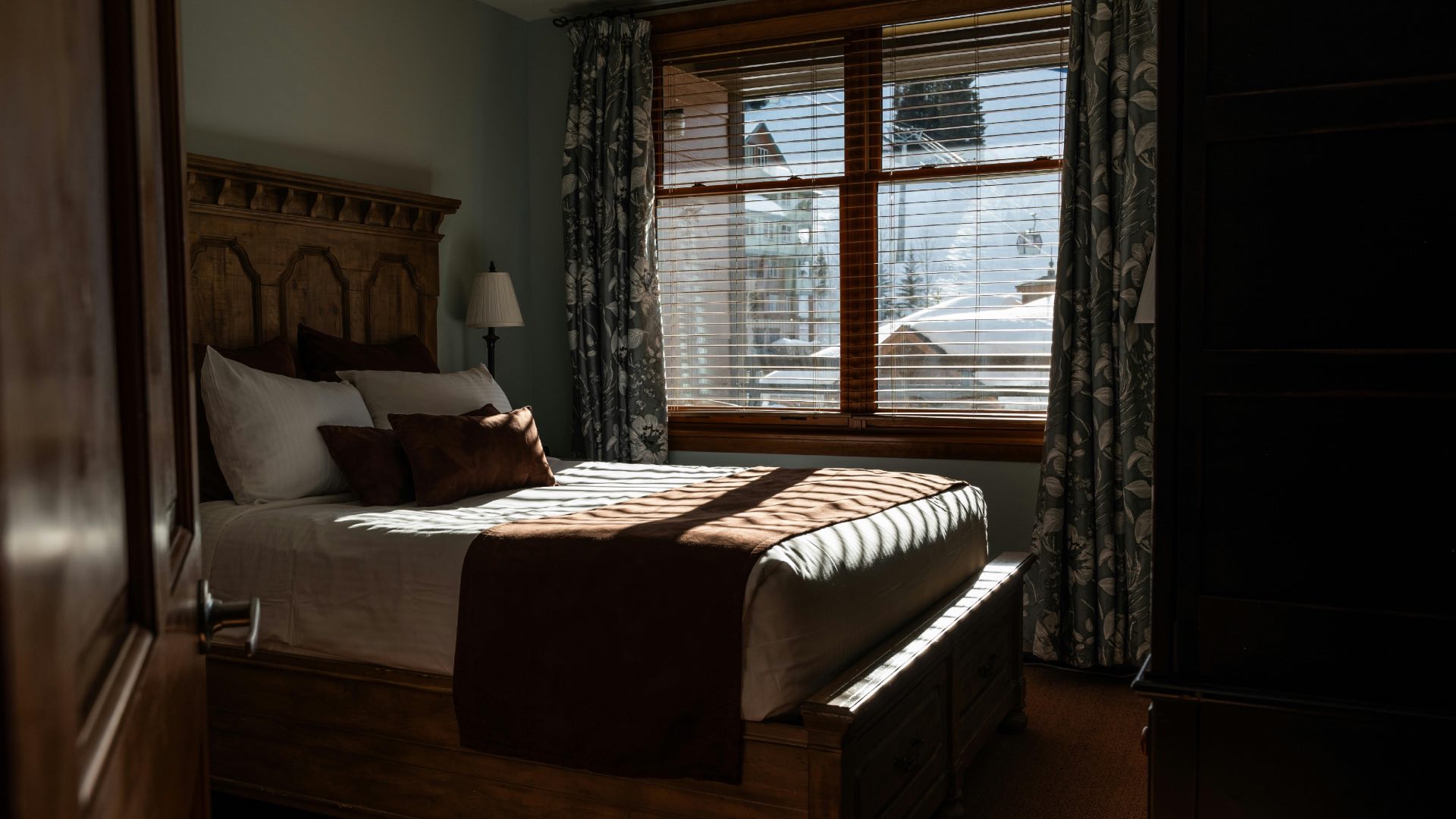
Difficulty falling asleep, waking up during the night, or feeling tired upon waking: sleep is a concern for many people. Certain daily habits can play a key role in the quality of our sleep. Among them, a practice inspired by the Dutch lifestyle is gaining attention: sleeping with the shutters open to take advantage of natural light at sunrise.
A common habit in the Netherlands
In the Netherlands, it is not uncommon to see houses with sparsely covered windows, sometimes even without curtains or shutters. This tradition, often associated with a culture of transparency inherited from Calvinist Protestantism, dates back several centuries.
According to several cultural analyses, this habit is based on the idea that honest citizens have nothing to hide. The result is an urban landscape where the interiors of homes often remain visible from the street. While this tradition was not originally intended to improve sleep, some specialists believe it could have beneficial effects on the body's biological clock.
The role of light in the circadian rhythm
Natural light plays a vital role in regulating the circadian rhythm, the internal clock that organizes sleep-wake cycles over approximately 24 hours. When daylight reaches the eyes in the morning, it signals to the brain that the day is beginning. This process helps reduce the production of melatonin, the sleep hormone, and promotes wakefulness.
According to sleep specialists, exposure to natural light is one of the most effective ways to synchronize the body's biological clock. Sleep consultant Maryanne Taylor explains that natural light directly influences sleep cycles, as well as energy levels and mood throughout the day.
Why waking up with light can help you sleep better
Sleeping with the blinds open allows for gradual exposure to morning light. Unlike a jarring awakening from an alarm, this natural transition can help the body ease out of sleep more gently. Morning light also plays an important role in stabilizing the circadian rhythm over the long term. Several studies show that early morning sun exposure is associated with better sleep onset at night.
A study published in the scientific journal BMC Public Health indicates that exposure to natural light before 10 a.m. is linked to a more regular circadian rhythm and better sleep quality.
A more natural and energetic awakening
Waking up in a room that gradually lights up can also promote a more natural awakening. Light stimulates certain areas of the brain involved in wakefulness and attention. As a result, the body emerges from sleep more gradually, which can reduce feelings of fatigue upon waking. This principle is even used in some light-based alarm clocks that artificially replicate sunrise to help you wake up.
A simple method, but one that needs adapting
While this practice may have some advantages, it is not suitable for all situations. In brightly lit urban environments at night, artificial light can disrupt sleep if blinds or shutters remain open. Light pollution is also considered a factor that can affect sleep cycles.
The method therefore works best in environments where the night remains sufficiently dark and where morning light can gradually enter the room. As is often the case with sleep, needs vary from person to person. Some people prefer to sleep in total darkness, while others feel more rested waking up to natural light.
Inspired by a Dutch tradition, the idea of sleeping with the shutters open is based on a simple principle: taking advantage of natural light to regulate the body's biological clock. For some people, small adjustments to the bedroom environment are sometimes all it takes to sleep better.